

Working Principle and Characteristics of Iron Powder Pneumatic Conveying
Iron powder, a vital component in numerous industrial processes, demands efficient and safe handling to maintain production efficiency and product quality. Pneumatic conveying, a technology that utilizes air or gas to transport bulk materials, has emerged as a preferred method for iron powder due to its advantages in hygiene, safety, and operational flexibility. This article delves into the working principle and key characteristics of iron powder pneumatic conveying systems, offering a comprehensive overview of how these systems function and their benefits in industrial settings.
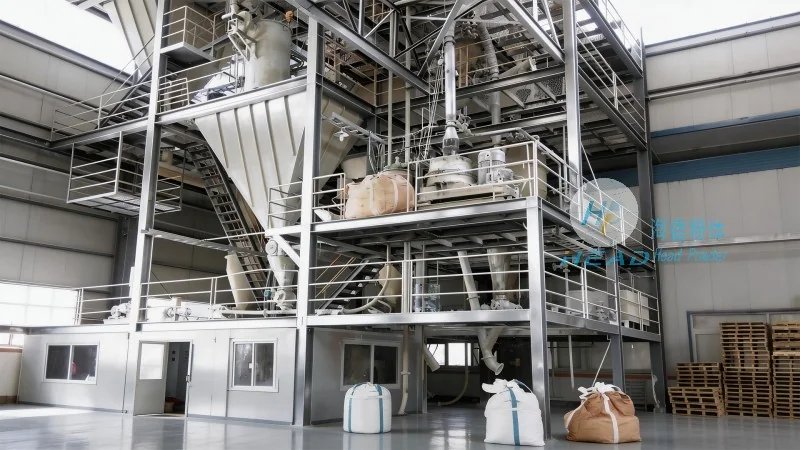
Working Principle of Iron Powder Pneumatic Conveying
The fundamental mechanism of iron powder pneumatic conveying involves the use of air pressure to move the material from a source to a destination. The process is typically composed of several interconnected components that work together to achieve effective material transport. Initially, the iron powder is introduced into a hopper or feeder, where it is then fed into a conveying line. A blower or compressor generates the necessary air flow, creating a pressure differential that propels the iron powder particles through the pipeline. The conveying line may include various elements such as elbows, tees, and filters to ensure smooth material movement and prevent blockages. The air and material mixture is then separated at the receiving end, with the iron powder collected in a designated hopper and the air either vented or recirculated, depending on the system design. This continuous process allows for the efficient and controlled transport of iron powder, minimizing material loss and ensuring consistent flow rates.
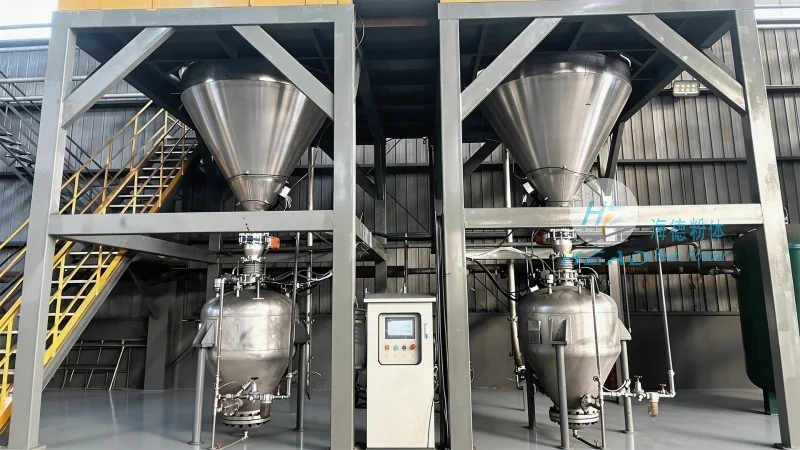
Key Characteristics of Iron Powder Pneumatic Conveying
Several distinct characteristics define iron powder pneumatic conveying systems, making them suitable for diverse industrial applications. One of the primary advantages is the ability to handle iron powder in a closed system, which enhances safety by preventing dust exposure and contamination. This is particularly critical in environments where dust can be hazardous or where product purity is essential. Additionally, pneumatic conveying systems offer high material handling capacity, enabling the transport of large quantities of iron powder over considerable distances without the need for complex mechanical equipment. The flexibility of the system is another notable feature, as it can be adapted to various production layouts and can accommodate changes in material flow rates or destination points. Furthermore, these systems generally require low maintenance, with fewer moving parts compared to traditional mechanical conveyors, reducing operational costs and downtime. The hygienic design of many pneumatic conveying systems also makes them suitable for applications in food processing or pharmaceutical industries, where cleanliness is paramount.
Operational Considerations and System Design
When implementing an iron powder pneumatic conveying system, several operational considerations must be addressed to ensure optimal performance. The selection of air velocity is crucial, as it must be sufficient to prevent material settling in the pipeline but not excessively high to cause wear or energy consumption. The system design also depends on the properties of the iron powder, such as particle size, density, and moisture content, as these factors influence the air requirements and equipment selection. For example, finer iron powder particles may require higher air velocities to maintain suspension, while larger particles may need more robust conveying lines to prevent blockages. The system's layout, including the number and type of components like filters and separators, is tailored to the specific application to maximize efficiency and minimize material degradation. Regular maintenance, including cleaning of filters and checking for air leaks, is essential to maintain the system's performance and longevity. By carefully considering these factors, industrial facilities can design and operate iron powder pneumatic conveying systems that meet their specific needs and deliver reliable material transport.
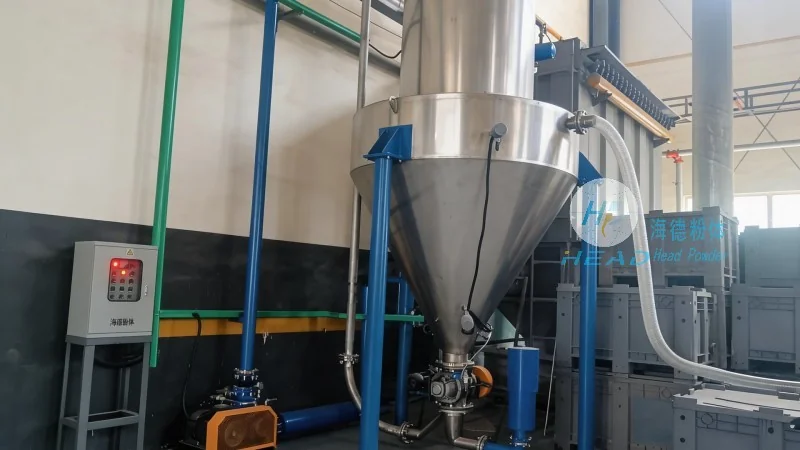
Applications and Benefits in Industrial Settings
Iron powder pneumatic conveying systems are widely utilized in industries such as metallurgy, chemical manufacturing, and electronics, where iron powder is a key ingredient in products like magnets, pigments, and catalysts. The benefits of employing pneumatic conveying in these applications are evident in improved production efficiency, reduced material handling costs, and enhanced product quality. For instance, in the production of magnetic materials, the closed system ensures that the iron powder remains free from contaminants, which is vital for maintaining the magnetic properties of the final product. Similarly, in chemical manufacturing, the hygienic design of pneumatic conveying systems helps prevent cross-contamination, which is crucial for producing high-purity chemicals. The flexibility of the system also allows for easy integration into existing production lines, minimizing the need for major infrastructure changes. Overall, iron powder pneumatic conveying systems provide a reliable and efficient solution for handling iron powder, contributing to improved operational performance and product quality in industrial applications.