

Working Principle and Characteristics of Slag Pneumatic Conveying
Slag, a byproduct of industrial processes such as steelmaking and cement production, requires efficient and reliable transportation methods for handling and processing. Pneumatic conveying systems offer a versatile solution for moving slag from one location to another, combining efficiency with minimal environmental impact. This article explores the working principle and key characteristics of slag pneumatic conveying, highlighting its advantages and practical applications.
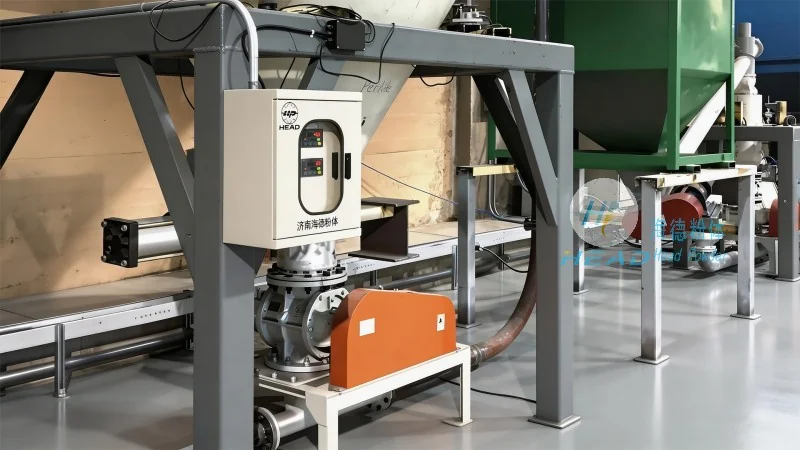
Company Overview: HeadPowder Engineering
As a leading provider in the field of material handling solutions, Shandong HeadPowder Engineering Co., Ltd. specializes in designing and manufacturing advanced pneumatic conveying systems tailored to the unique needs of industrial clients. With a focus on innovation and quality, HeadPowder has established itself as a trusted partner for businesses seeking efficient and sustainable methods to transport bulk materials like slag. The company’s headquarters is located in Shandong, China, where it leverages local expertise and resources to deliver cutting-edge solutions to global markets.
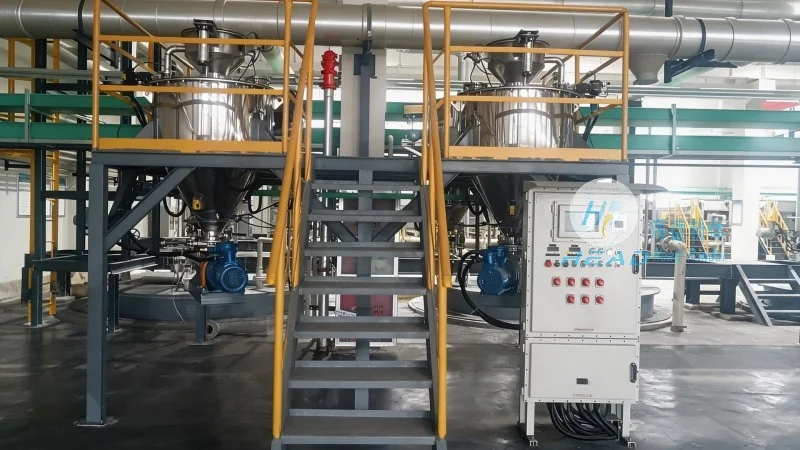
The Working Principle of Slag Pneumatic Conveying
Slag pneumatic conveying operates on the principle of using air pressure to transport solid particles through a pipeline. The system typically consists of a hopper, a feeder, a conveying line, and a receiver. The process begins when slag is fed into the hopper, where it is then introduced into the conveying line through a feeder. As air is introduced into the line, it creates a flow that lifts and moves the slag particles along the pipeline. The air velocity is carefully controlled to ensure that the particles are carried without causing excessive wear or blockages. The receiver at the end of the line collects the transported slag, completing the cycle. This method eliminates the need for mechanical components like belts or buckets, reducing maintenance requirements and improving overall system reliability.
Key Characteristics of Slag Pneumatic Conveying Systems
Several distinct characteristics define slag pneumatic conveying systems, making them suitable for various industrial applications. First, the system is highly flexible, allowing for changes in the conveying route or capacity without major modifications. Second, it offers excellent dust control, as the material is enclosed within the pipeline, preventing dust emissions and improving workplace safety. Third, the system is energy-efficient, as it minimizes the use of mechanical parts and reduces energy consumption compared to traditional methods. Fourth, it provides a hygienic and clean operation, which is particularly important in food processing or pharmaceutical industries where contamination must be avoided. Additionally, the system is capable of handling a wide range of slag types and particle sizes, from fine powders to larger chunks, making it a versatile solution for different industrial needs.
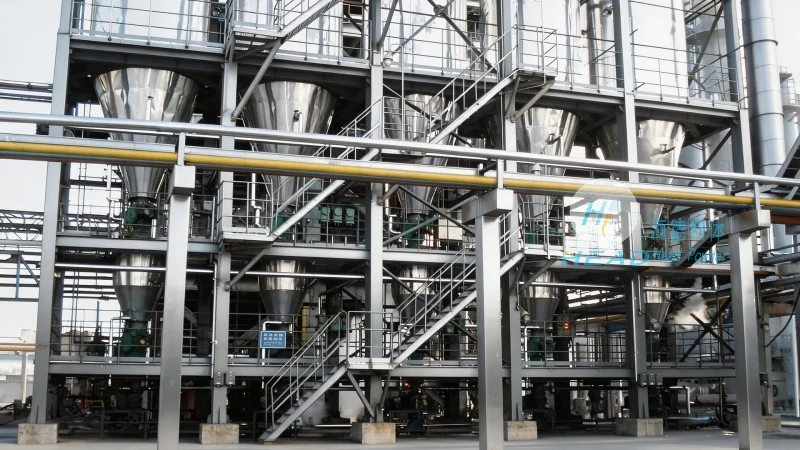
Advantages and Practical Applications
The advantages of slag pneumatic conveying extend beyond its technical characteristics, offering significant benefits to industrial operations. One of the primary benefits is the reduction in labor costs, as the system automates the transportation process, minimizing the need for manual handling. Another advantage is the improved safety, as the enclosed pipeline prevents accidents and exposure to hazardous materials. The system also contributes to environmental sustainability by reducing emissions and waste. In practical applications, slag pneumatic conveying is used in steel mills to transport slag from the blast furnace to storage facilities, in cement plants to move slag for use as a raw material, and in power plants to handle fly ash and bottom ash. The system’s adaptability makes it suitable for both new installations and retrofitting existing facilities, providing a cost-effective solution for upgrading material handling processes.