

The Working Principle and Features of a Tea Pneumatic Conveying System
Tea processing encompasses multiple stages, from harvesting to packaging, and efficient material handling is essential for preserving quality and boosting productivity. Among the various technologies used in the tea industry, pneumatic conveying systems have become a preferred choice for transporting tea leaves and related products. This article examines the working principle and key characteristics of a tea pneumatic conveying system, illustrating how it enhances operational efficiency in tea processing facilities.
Introduction to Tea Pneumatic Conveying Systems
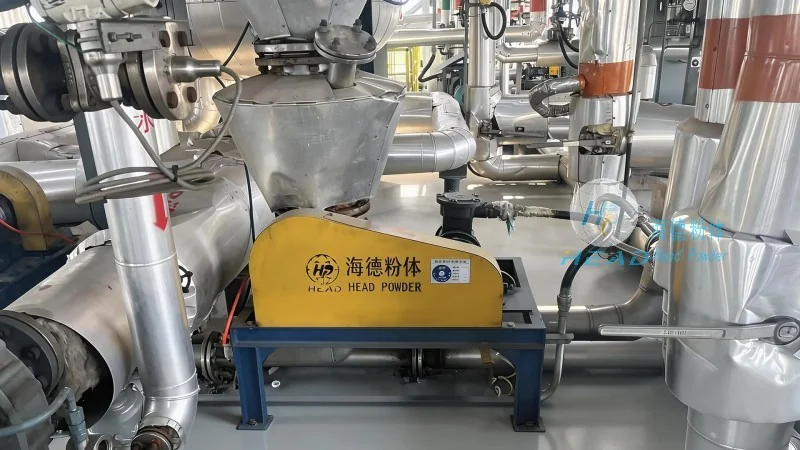
Tea pneumatic conveying systems are engineered to move loose tea leaves, tea powder, or other tea-related materials through a network of pipes using air pressure. Unlike traditional mechanical conveyors that rely on belts or chains, pneumatic systems utilize compressed air to facilitate material movement, offering advantages in hygiene, flexibility, and energy efficiency. The system typically comprises a blower, a hopper for material storage, a conveying line, and a discharge point, all working together to ensure smooth material flow.
The Working Principle of a Tea Pneumatic Conveying System
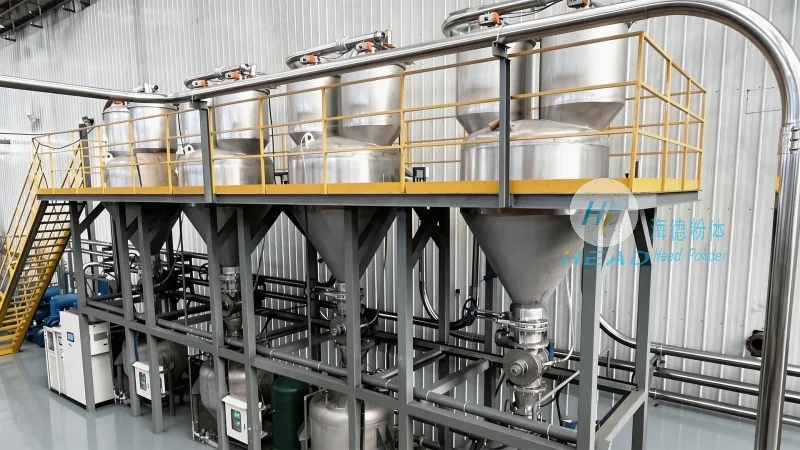
The fundamental operation of a tea pneumatic conveying system centers on using air to create a material flow. The process starts with tea leaves being fed into a hopper, where they are then drawn into the conveying line by a blower that generates either a vacuum or positive pressure. The air, mixed with the tea leaves, travels through the pipes at high velocity, carrying the material to the intended destination. The system can operate in either vacuum or pressure mode, depending on the specific needs of the tea processing plant. In vacuum mode, the blower creates a negative pressure that pulls material from the source to the destination. In pressure mode, the blower pushes material through the pipes, which is often more suitable for longer distances or when handling fine tea powders.
Key Features and Advantages of Tea Pneumatic Conveying Systems
Tea pneumatic conveying systems offer several distinct features that make them ideal for tea processing applications. One of the most significant advantages is their hygienic design, which is critical in food processing industries. The enclosed piping system prevents contamination from external sources and minimizes the risk of dust or particles escaping into the environment. This is particularly important for tea, as it is sensitive to moisture and contaminants that can affect its flavor and quality.
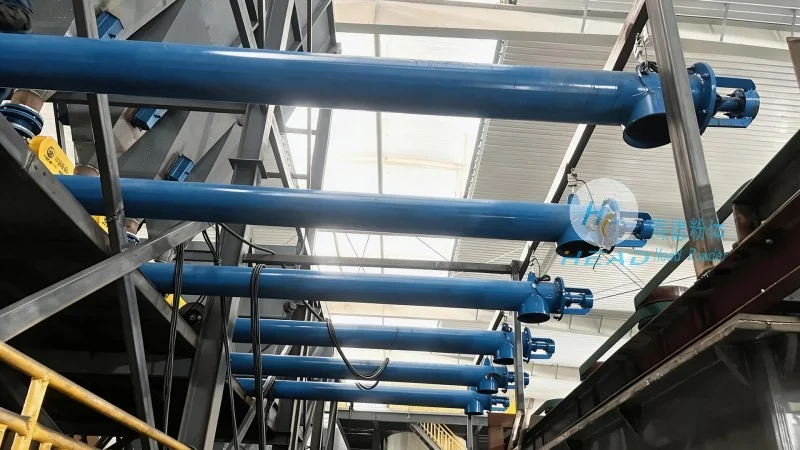
Another key feature is the system's flexibility. Pneumatic conveyors can be easily reconfigured or expanded to accommodate changes in production volume or layout. This adaptability allows tea processing facilities to scale their operations without major modifications to existing infrastructure. The system also provides high efficiency in material handling, as it can transport large volumes of tea leaves quickly and with minimal labor. Additionally, pneumatic conveying systems are relatively low maintenance compared to mechanical conveyors, reducing downtime and operational costs.
Application Examples in Tea Processing
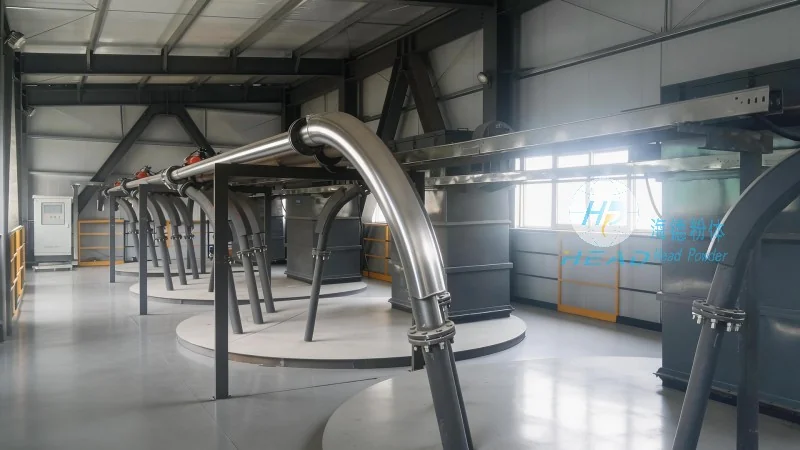
Tea pneumatic conveying systems are widely utilized in various stages of tea processing. For example, they are commonly used to transport freshly plucked tea leaves from the field to the processing plant, ensuring the leaves are handled gently and without damage. The system can also move tea leaves between different processing stages, such as from withering to rolling or from drying to packaging. In the case of tea powder, pneumatic conveyors are particularly effective in moving fine particles through the production line, as they can handle high concentrations of powder without clogging the pipes.
Conclusion
In conclusion, a tea pneumatic conveying system is a vital component in modern tea processing facilities. By leveraging the principles of air pressure and flow, these systems provide an efficient, hygienic, and flexible solution for transporting tea leaves and related products. The working principle, which involves using compressed air to move material through enclosed pipes, combined with key features such as hygiene, adaptability, and efficiency, makes pneumatic conveying an ideal choice for tea processing operations. As the tea industry continues to evolve, the adoption of such advanced systems will likely become more prevalent, further enhancing the quality and productivity of tea production.