

Working Principle and Features of a Calcium Carbonate Pneumatic Conveying System
Calcium carbonate, a widely used industrial material, often requires efficient and reliable transportation methods to move it from storage to processing or packaging areas. Pneumatic conveying systems have emerged as a preferred solution for handling calcium carbonate due to their ability to transport bulk materials in a dust-free, controlled manner. This article explores the working principle and key features of such systems, with a focus on the expertise of Shandong HeadPowder Engineering Co., Ltd., a leading provider in the field.
Understanding the Working Principle of Pneumatic Conveying Systems
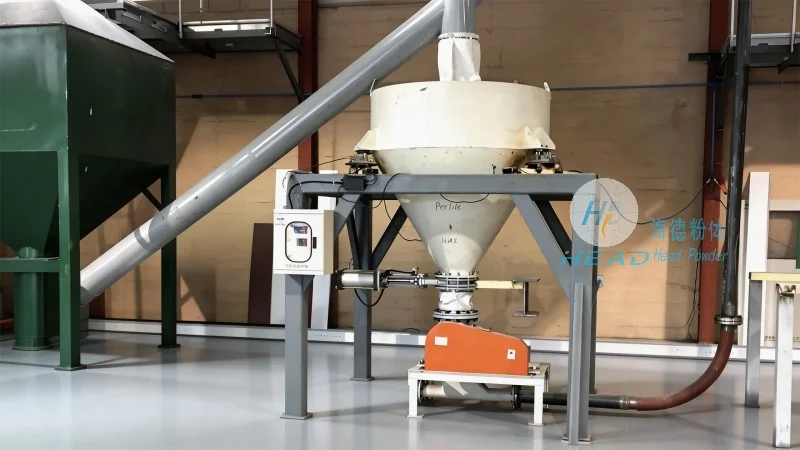
Pneumatic conveying systems operate by using air or gas to transport solid materials like calcium carbonate through a pipeline. The process typically involves a few key components: a hopper for material storage, a conveyor line (often a flexible or rigid pipe), a blower or compressor to generate the air flow, and a control system to regulate the pressure and flow rate. The calcium carbonate is fed into the hopper, where it is then drawn into the conveyor line by the moving air stream. The air flow carries the particles through the system, delivering them to the destination point, such as a silo, mixer, or packaging machine. The system can be either positive pressure (where air is forced into the line) or negative pressure (where air is drawn out, creating a vacuum). For calcium carbonate, which is often a fine powder, positive pressure systems are commonly used to prevent dust accumulation and ensure smooth transport.
Key Features of Calcium Carbonate Pneumatic Conveying Systems
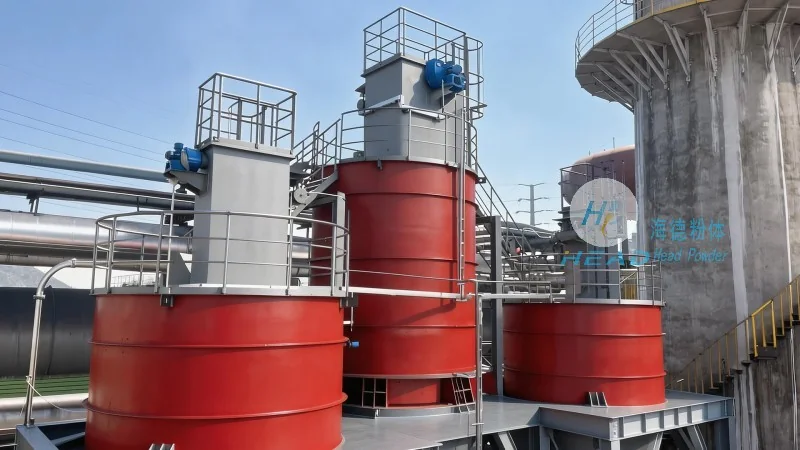
Several distinct features make pneumatic conveying systems ideal for calcium carbonate applications. First, they offer a dust-free operation, which is crucial for maintaining a clean working environment and complying with health and safety regulations. Unlike traditional belt or bucket elevators, pneumatic systems minimize the risk of dust dispersion, making them suitable for indoor or enclosed facilities. Second, these systems provide flexibility in layout, as the conveyor lines can be installed in various configurations, including vertical, horizontal, or a combination of both, to accommodate different plant layouts. This adaptability allows for efficient use of space and integration with existing equipment. Third, pneumatic conveying systems are capable of handling a wide range of particle sizes and moisture contents, making them versatile for different types of calcium carbonate products, whether they are fine powders or coarser granules. Additionally, the systems can be equipped with advanced control technologies, such as variable frequency drives (VFDs), to optimize energy consumption and maintain consistent material flow rates. This not only reduces operational costs but also enhances the overall efficiency of the process.
HeadPowder Engineering: Expertise in Pneumatic Conveying Solutions
Shandong HeadPowder Engineering Co., Ltd. specializes in designing, manufacturing, and installing customized pneumatic conveying systems tailored to the specific needs of calcium carbonate producers. With years of experience in the industry, HeadPowder has developed a deep understanding of the unique challenges associated with handling calcium carbonate, such as its tendency to agglomerate or create dust. The company’s engineers work closely with clients to assess their material characteristics, production volumes, and facility constraints, ensuring that the final system is optimized for performance and reliability. HeadPowder utilizes high-quality components, including durable materials for the conveyor lines and efficient blowers, to ensure long-term operation and minimal maintenance. The company’s commitment to quality and customer satisfaction is reflected in its comprehensive after-sales support, including system monitoring and maintenance services. By partnering with HeadPowder, calcium carbonate manufacturers can benefit from a reliable and efficient conveying solution that enhances productivity and reduces operational risks.

Conclusion: The Advantages of Pneumatic Conveying for Calcium Carbonate
In conclusion, pneumatic conveying systems offer a superior method for transporting calcium carbonate compared to traditional mechanical systems. Their ability to provide dust-free, flexible, and efficient transport makes them a valuable asset for any calcium carbonate processing facility. With the expertise of companies like Shandong HeadPowder Engineering Co., Ltd., manufacturers can implement state-of-the-art pneumatic conveying solutions that meet their specific requirements and contribute to overall operational excellence. As the demand for calcium carbonate continues to grow, the adoption of advanced pneumatic conveying systems will remain a key factor in optimizing production processes and ensuring sustainable operations.