

Working Principle and Features of Electric Lime Powder Pneumatic Conveying System
Electric lime powder pneumatic conveying systems are essential equipment in industrial processes, particularly in facilities that handle bulk materials like lime powder. These systems utilize air as the primary medium to transport powders over long distances or through complex layouts. Understanding the working principle and key features of such systems is crucial for optimizing material handling efficiency and ensuring operational safety.
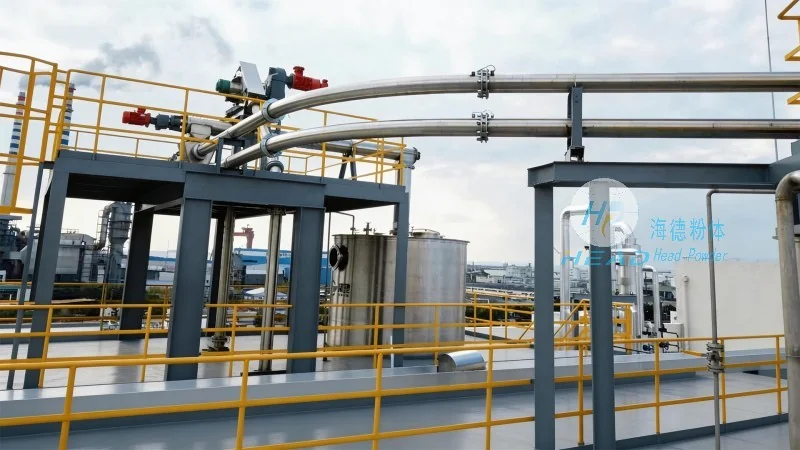
Working Principle of Electric Lime Powder Pneumatic Conveying Lines
The core mechanism of electric lime powder pneumatic conveying lines involves the use of compressed air to create a flow that transports the powder. The process typically begins with the material being fed into a hopper or feeder. From there, the powder is drawn into a pipeline by the pressure differential created by the air flow. The air, often supplied by a blower or compressor, moves through the system, carrying the powder particles along. The system may include components like cyclones, filters, and silos to separate the air from the powder and store the material, respectively. The electric aspect of the system refers to the power supply for the air-moving equipment, ensuring efficient operation without the need for mechanical conveyors that might cause dust or contamination issues.
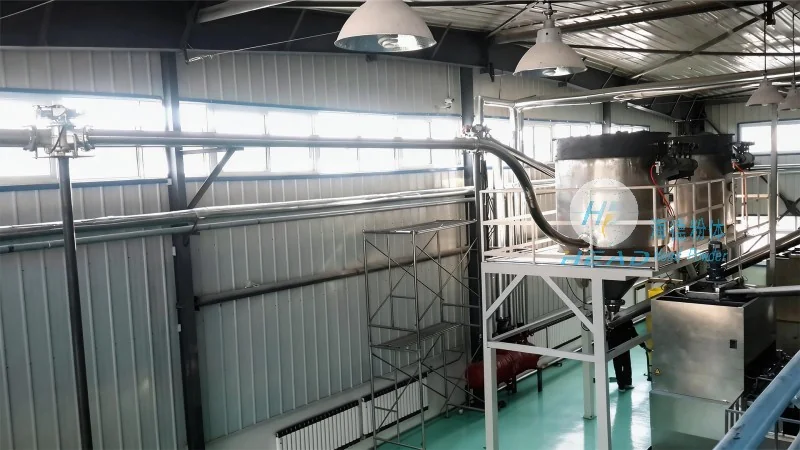
Key Features of Electric Lime Powder Pneumatic Conveying Systems
Electric lime powder pneumatic conveying systems offer several advantages that make them suitable for handling electric lime powder. Firstly, they provide a dust-free environment, which is critical for maintaining workplace safety and compliance with environmental regulations. The enclosed system prevents dust from being released into the air, reducing the risk of respiratory issues for workers and minimizing the impact on the surrounding environment. Secondly, these systems are highly efficient in terms of material transport, capable of moving large quantities of powder over considerable distances with minimal energy consumption compared to traditional methods like bucket elevators or belt conveyors. The flexibility of pneumatic conveying allows for the integration of multiple feeding and discharge points, adapting to various production layouts and process requirements. Additionally, the electric design ensures lower maintenance costs and longer equipment lifespan, as there are fewer moving parts compared to mechanical conveyors. The system's ability to handle fine powders without clogging is another notable feature, as the air flow effectively prevents material buildup in the pipelines, ensuring consistent and reliable operation. Finally, the electric lime powder pneumatic conveying line from Shandong HeadPowder Engineering Co., Ltd. is engineered to meet industry standards, with robust construction and advanced control systems that enhance operational reliability and user experience.
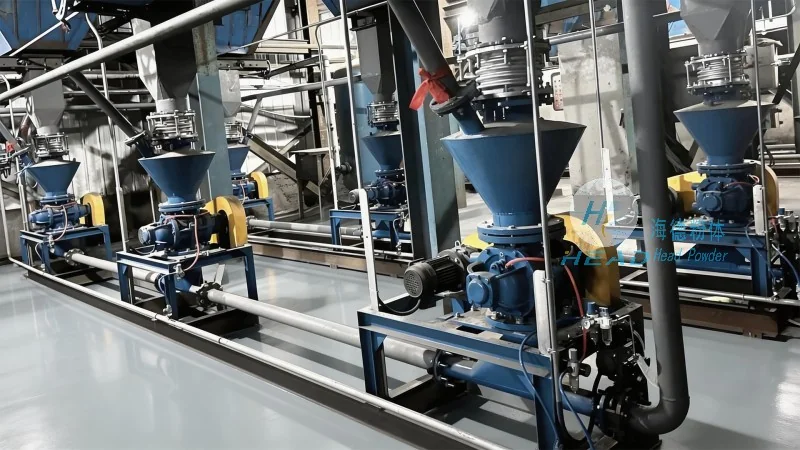
Application and Operational Benefits
Electric lime powder pneumatic conveying systems are widely used in industries such as cement production, chemical processing, and food processing, where the handling of fine powders is essential. The systems are designed to handle electric lime powder, which is often used as a flux or stabilizer in various industrial applications. The operational benefits of these systems include improved process control, reduced downtime due to maintenance, and enhanced safety measures. By utilizing electric power for air movement, the systems eliminate the need for heavy machinery that might require frequent repairs and increase operational costs. The enclosed design also helps in maintaining the quality of the powder, as it is protected from moisture and contamination during transport. The flexibility of the system allows for easy integration into existing production lines, minimizing the need for major infrastructure changes. Overall, the electric lime powder pneumatic conveying line offers a cost-effective and efficient solution for material handling, contributing to increased productivity and reduced operational expenses in industrial settings.