

Working Principle and Features of Cement Dry Ash Pneumatic Conveying Systems
HeadPowder, a leading engineering firm based in Shandong, China, specializes in the design, manufacturing, and installation of advanced pneumatic conveying systems for the cement industry. This article delves into the working principle and key features of cement dry ash pneumatic conveying lines, providing a comprehensive overview for professionals in the field.
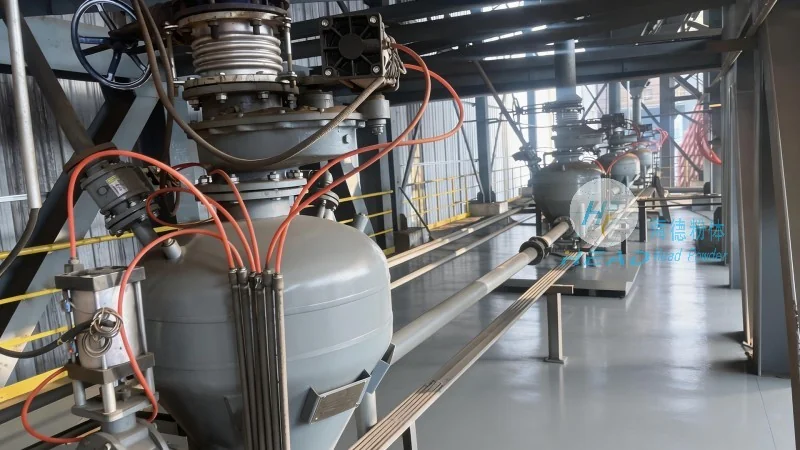
Cement Dry Ash Pneumatic Conveying Systems: An Overview
Cement dry ash pneumatic conveying systems are essential equipment used in cement production facilities to transport dry cement ash and other fine powders efficiently. These systems utilize air as the primary medium to move materials from one location to another, eliminating the need for traditional mechanical conveyors that may suffer from blockages and maintenance issues. The technology is widely adopted due to its ability to handle high volumes of material while maintaining low energy consumption and minimal environmental impact.
The Working Principle of Cement Dry Ash Pneumatic Conveying Lines
The core mechanism of cement dry ash pneumatic conveying lines involves the use of a blower or fan to generate a high-velocity air stream. This air stream is directed through a pipeline system where the dry cement ash is introduced. As the material is drawn into the pipeline by the air flow, it is suspended and transported to the destination point. The system typically includes components such as a hopper for material storage, a feeder to control the flow rate, a pipeline network, and a receiver for material discharge. The air velocity is carefully controlled to ensure that the material remains suspended without causing excessive wear on the system components. The entire process is driven by the pressure differential created by the blower, which ensures consistent and reliable material transport.
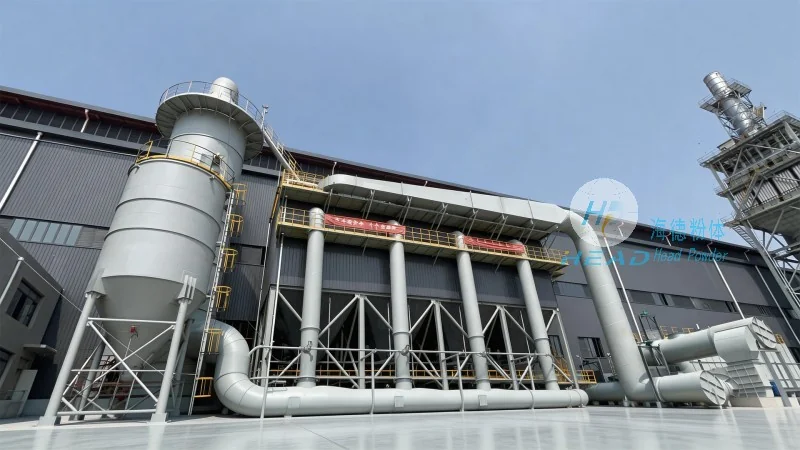
Key Features of Cement Dry Ash Pneumatic Conveying Systems
HeadPowder's cement dry ash pneumatic conveying systems are characterized by several notable features that enhance their performance and reliability. Firstly, the systems are designed for high efficiency, with minimal energy consumption compared to traditional conveying methods. This is achieved through optimized air velocity and pipeline design, which reduces the power required to move the material. Secondly, the systems offer excellent material handling capabilities, capable of transporting fine powders and dry ash without the risk of clogging or degradation. The use of air as the conveying medium prevents material buildup and ensures a clean, hygienic operation. Thirdly, the systems are highly adaptable, with modular components that can be customized to fit specific plant layouts and production requirements. This flexibility allows for easy integration into existing facilities or new installations. Additionally, the systems are equipped with advanced control systems that monitor pressure, flow rate, and material level, providing real-time data for process optimization and maintenance planning. The robust construction of the equipment ensures long service life and minimal downtime, contributing to overall operational efficiency.
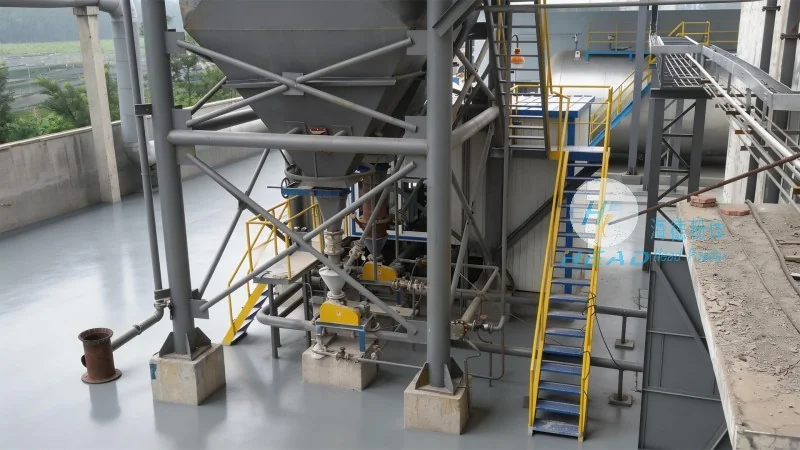
Applications and Benefits in Cement Production
Cement dry ash pneumatic conveying systems are widely used in various stages of cement production, including raw material handling, clinker transport, and finished product distribution. In raw material handling, the systems efficiently transport limestone, clay, and other raw materials from storage silos to the grinding mills. During clinker production, the systems convey the hot clinker from the kiln to the cooling and storage areas. Finally, in the finished product stage, the systems transport the final cement product from the storage silos to packaging and shipping facilities. The benefits of using these systems include improved production throughput, reduced labor costs, and enhanced safety by eliminating manual handling of powders. Furthermore, the systems contribute to environmental sustainability by minimizing dust emissions and reducing the need for water in material cleaning processes.
Conclusion
HeadPowder's cement dry ash pneumatic conveying systems represent a sophisticated solution for efficient material transport in the cement industry. By leveraging the principles of pneumatic conveying, these systems offer superior performance, reliability, and adaptability. With their focus on energy efficiency and minimal environmental impact, they are an ideal choice for modern cement production facilities seeking to optimize their operations. As a trusted provider based in Shandong, China, HeadPowder continues to innovate and deliver high-quality engineering solutions that meet the evolving needs of the cement industry.