

Working Principle and Features of Cement Particle Pneumatic Conveying Lines
Cement particle pneumatic conveying systems are advanced industrial equipment designed to transport cement and other similar granular materials efficiently over long distances. These systems utilize air as the conveying medium, enabling the movement of materials without the need for mechanical components like belts or buckets. The technology is widely adopted in cement production, construction, and related industries due to its flexibility, reliability, and ability to handle various material types. Shandong HeadPowder Engineering Co., Ltd., a leading manufacturer based in Shandong, China, specializes in the design, manufacturing, and installation of such systems, providing customized solutions tailored to the specific needs of clients in the cement sector.
Working Principle of Cement Particle Pneumatic Conveying Lines
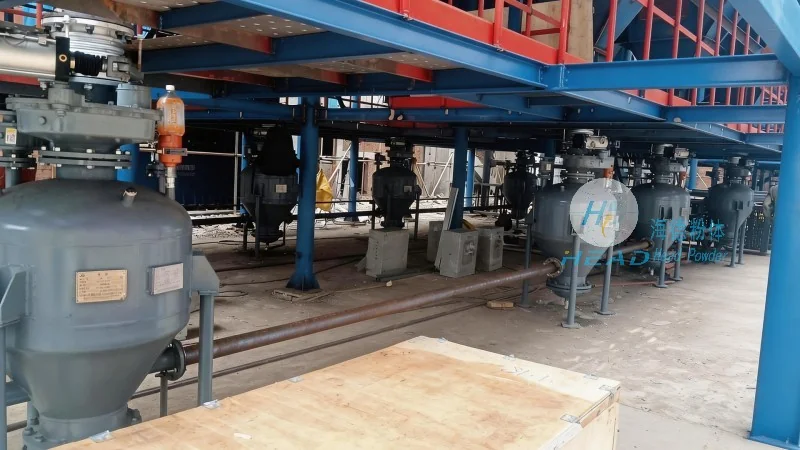
The core of a cement particle pneumatic conveying system lies in its pneumatic transport mechanism. The process typically involves several key components: a material hopper, a feeder, a conveying pipe, a pressure vessel or receiver, and a blower or air compressor. The operation begins when cement granules are fed from the hopper into the feeder. The feeder then meters the material at a controlled rate into the conveying pipe. Simultaneously, the blower generates a high-velocity air stream that propels the cement particles through the pipe. As the air and material mixture travels, the pressure and velocity conditions are maintained to ensure stable transport. The material is then deposited into the receiver or discharge point at the end of the line. The system may also include a filter or cyclone to separate the air from the cement particles, allowing the air to be recirculated or vented, while the cement is collected for further use. This continuous process minimizes material handling time and reduces the risk of dust contamination, making it an efficient solution for bulk material transport.
Key Features of Cement Particle Pneumatic Conveying Systems
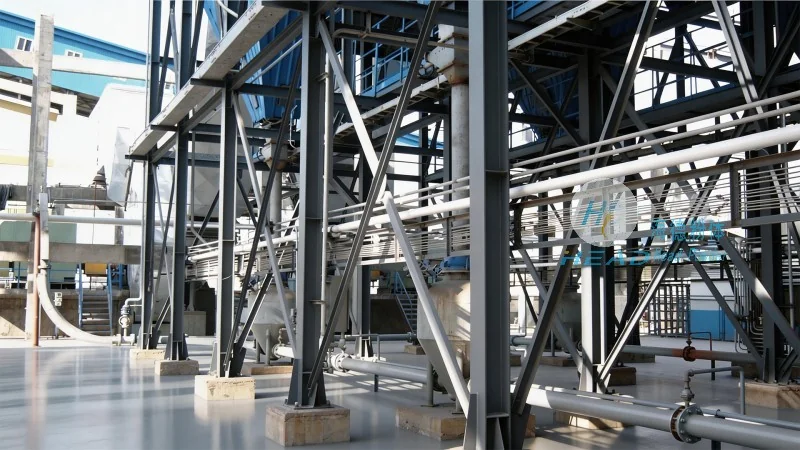
Several notable features distinguish cement particle pneumatic conveying systems from traditional mechanical conveying methods. First, the systems offer high flexibility in terms of layout and installation. They can be configured to follow complex routes, including vertical and horizontal segments, without the need for additional support structures. This adaptability is particularly beneficial in confined or irregular factory spaces. Second, the technology provides excellent material handling capabilities. It can transport fine, cohesive, or abrasive cement particles without causing degradation or blockages, thanks to the controlled air flow and proper pipe design. Third, the systems are highly efficient in terms of energy consumption. By using air as the conveying medium, they reduce the need for heavy machinery and minimize friction losses, leading to lower operational costs compared to belt or screw conveyors. Fourth, the systems contribute to better environmental control. The enclosed pipe system and integrated filtration help contain dust, improving workplace safety and compliance with environmental regulations. Additionally, the ability to handle varying material loads and flow rates makes these systems versatile for different production scales and operational demands.
Applications and Benefits in Cement Industry
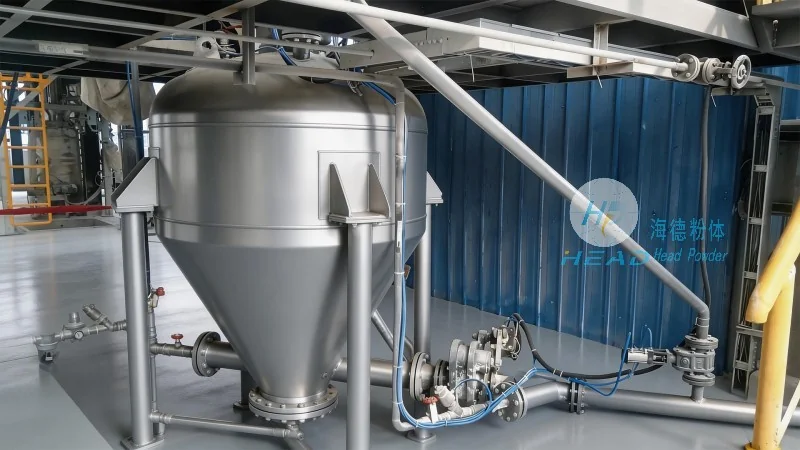
Cement particle pneumatic conveying systems are extensively used in the cement industry for various applications. They are commonly employed in raw material handling, where limestone, clay, and other raw materials are transported from storage to the grinding mills. In the finished product stage, these systems efficiently move cement from storage silos to packaging or shipping areas. The systems also play a role in the production of blended cements, where different cementitious materials are mixed and conveyed to the final product line. The benefits of using pneumatic conveying in these applications include reduced labor costs, minimized material waste, and improved process control. The technology enhances overall plant efficiency by streamlining material flow and reducing downtime associated with mechanical failures or maintenance.
Operational Considerations and Maintenance
While cement particle pneumatic conveying systems offer numerous advantages, proper operation and maintenance are crucial for optimal performance. Regular inspection of the air compressor and blower is essential to ensure consistent air pressure and flow rates. The material feeder must be calibrated to maintain a steady feed rate, preventing overloading or underloading of the system. The conveying pipes should be checked for blockages or wear, as abrasive cement particles can cause erosion over time. The filter or cyclone system needs periodic cleaning to maintain air quality and prevent clogging. Additionally, the system's control panel should be monitored for any abnormal readings or alarms, which may indicate issues such as pressure drops or air leaks. By adhering to a regular maintenance schedule, users can extend the lifespan of the equipment and ensure reliable operation. Proper training of operators on the system's controls and safety procedures is also vital to prevent accidents and ensure compliance with safety standards.
Conclusion
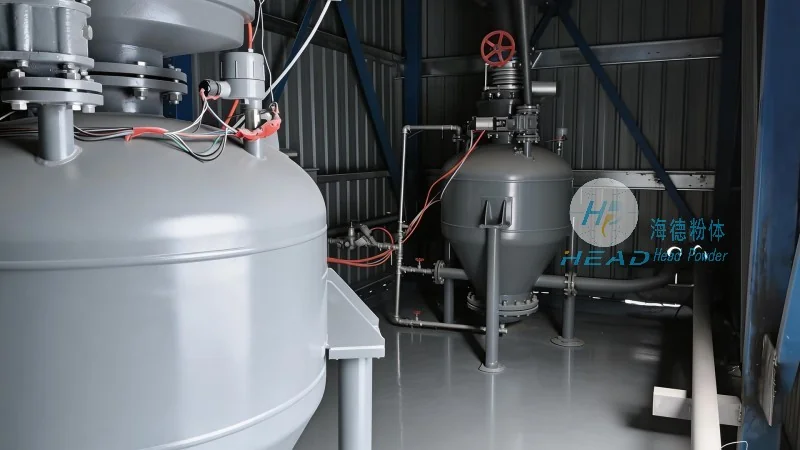
Cement particle pneumatic conveying systems represent a sophisticated solution for the efficient transport of cement and similar granular materials. Through their pneumatic transport mechanism, these systems offer flexibility, efficiency, and environmental benefits that make them a preferred choice in the cement industry. By understanding the working principle and key features, users can make informed decisions about implementing such systems in their operations. As technology continues to advance, further improvements in material handling and energy efficiency are expected, solidifying the role of pneumatic conveying in modern industrial applications. The systems, when properly maintained and operated, provide reliable and cost-effective solutions for bulk material transport, contributing to the overall productivity and sustainability of cement production processes.