

Working Principle and Features of High-Pressure Dense-Phase Pneumatic Conveying Systems
High-pressure dense-phase pneumatic conveying systems represent a sophisticated technology in material handling, designed to efficiently transport bulk materials through a pipeline using pressurized air. This method is particularly effective for handling materials that are prone to bridging, caking, or are sensitive to air exposure, making it a preferred choice in various industrial applications. The technology is widely utilized across sectors such as food processing, pharmaceuticals, chemicals, and minerals, where maintaining product integrity and operational efficiency is paramount.
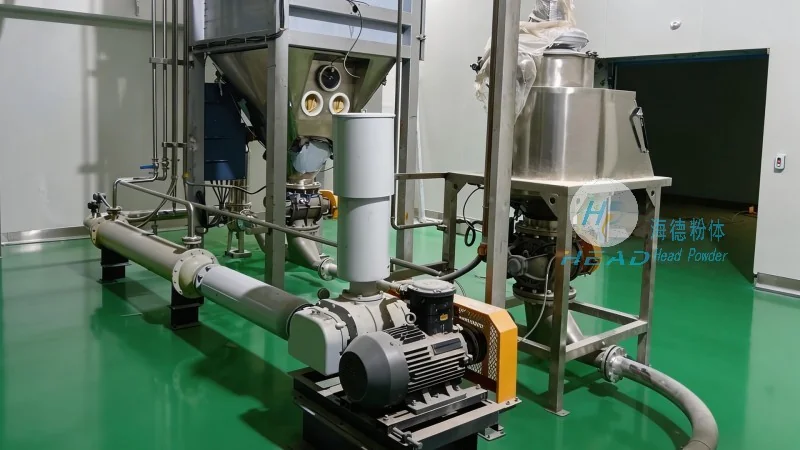
Company Overview: Shandong HeadPowder Engineering Co., Ltd.
HeadPowder, a leading manufacturer in the field of pneumatic conveying equipment, specializes in the design, manufacturing, and supply of high-pressure dense-phase systems. With a strong commitment to quality and innovation, the company has established itself as a trusted partner for businesses seeking reliable material handling solutions. HeadPowder's products are engineered to meet stringent industry standards, ensuring durability, efficiency, and safety in diverse operational environments. The company's headquarters is located in Shandong, China, where it leverages advanced manufacturing capabilities and technical expertise to deliver tailored solutions for global clients.
Working Principle of High-Pressure Dense-Phase Pneumatic Conveying
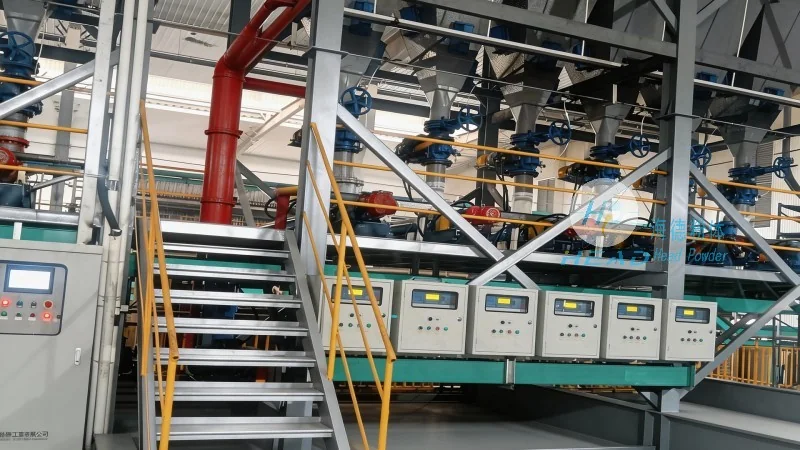
The core working principle of a high-pressure dense-phase pneumatic conveying system involves the use of high-pressure air to create a dense mixture of material and air within the conveying pipeline. Unlike traditional dilute-phase systems that rely on low-pressure, high-volume air to transport materials in a more dispersed state, dense-phase systems operate by injecting air at a much higher pressure, typically ranging from 5 to 15 bar. This high pressure forces the material to form a compact, plug-like flow, which minimizes the risk of material degradation and ensures a more uniform conveying process. The system typically consists of a blower or compressor, a hopper for material storage, a feeder to control the material flow, and a pipeline network that transports the material to the destination. The high-pressure air is introduced at intervals, creating a series of dense plugs that move through the pipeline, ensuring efficient and reliable material transport. This method is particularly effective for handling materials with high moisture content, abrasive properties, or those that are prone to segregation, as it maintains the material's integrity throughout the conveying process.
Key Features and Advantages of High-Pressure Dense-Phase Systems
High-pressure dense-phase pneumatic conveying systems offer several distinct features and advantages that make them an ideal choice for various industrial applications. One of the primary advantages is the ability to handle a wide range of materials, including powders, granules, and even bulk solids, with minimal degradation. The dense-phase operation ensures that the material remains in a compact state, reducing the risk of attrition and maintaining the product's quality. Another significant feature is the high conveying capacity, which allows for the efficient transport of large volumes of material over long distances, often exceeding 100 meters or more, depending on the system design. The system also provides excellent control over the material flow, with the ability to adjust the air pressure and material feed rate to optimize performance. Additionally, dense-phase systems are more energy-efficient compared to traditional dilute-phase systems, as they require less air volume to achieve the same conveying capacity. This results in lower operational costs and reduced energy consumption. Furthermore, the compact design of dense-phase systems allows for easier integration into existing production lines, with minimal space requirements. The systems are also equipped with safety features, such as pressure relief valves and material flow monitors, to ensure safe and reliable operation. Overall, the combination of efficiency, reliability, and adaptability makes high-pressure dense-phase pneumatic conveying systems a preferred solution for businesses seeking to enhance their material handling processes.
Applications and Industries Utilizing High-Pressure Dense-Phase Systems
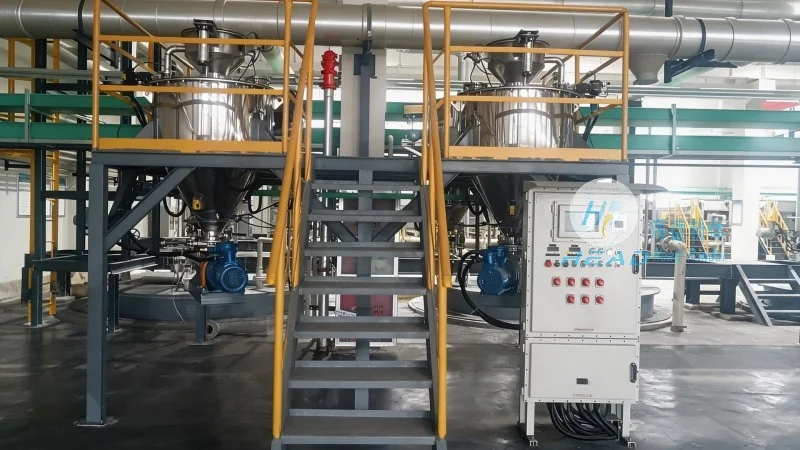
High-pressure dense-phase pneumatic conveying systems are widely utilized across various industries due to their versatility and effectiveness. In the food and pharmaceutical industries, these systems are used to transport sensitive materials such as powders, granules, and bulk solids, where maintaining product purity and integrity is critical. The dense-phase operation ensures that the material remains free from contamination and degradation, meeting the stringent quality standards of these sectors. In the chemical industry, dense-phase systems are employed to handle abrasive and corrosive materials, such as chemicals, pigments, and minerals, ensuring safe and efficient transport. The high-pressure operation minimizes the risk of material buildup and clogging, which can lead to equipment failure and downtime. The minerals and mining industry also benefits from dense-phase systems, as they are used to transport raw materials such as ores, coal, and minerals from processing plants to storage facilities. The systems are designed to handle large volumes of material with high efficiency, reducing the need for manual handling and improving overall operational productivity. Additionally, in the agricultural sector, dense-phase systems are used to transport agricultural products such as grains, seeds, and fertilizers, ensuring efficient and hygienic handling. The systems are also utilized in the construction industry for transporting bulk materials such as sand, cement, and gravel, where the ability to handle abrasive and heavy materials is essential. Overall, the applications of high-pressure dense-phase pneumatic conveying systems span across multiple industries, highlighting their importance in modern material handling.