HeadPowder, a leading engineering company based in Shandong, China, specializes in the design, manufacturing, and installation of advanced pneumatic conveying systems for cement clinker. This article provides a detailed overview of the working principle and key features of such systems, highlighting their efficiency and reliability in material handling applications.
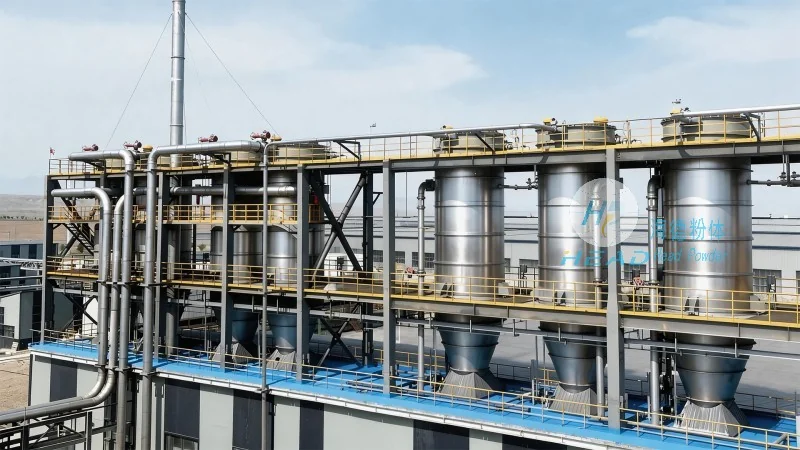
The cement clinker pneumatic conveying system operates on the principle of using compressed air or gas to transport bulk materials like cement clinker from one location to another. The system typically consists of a series of components, including a hopper, a rotary valve, a conveying pipe, and a receiver. The process begins when the clinker is fed into the hopper. A rotary valve then controls the flow of clinker into the conveying pipe. Compressed air is introduced into the pipe, creating a pressure differential that propels the clinker particles forward. The clinker travels through the pipe and is discharged into the receiver at the destination. The system ensures a continuous and controlled flow of material, minimizing the need for manual handling and reducing the risk of dust exposure.
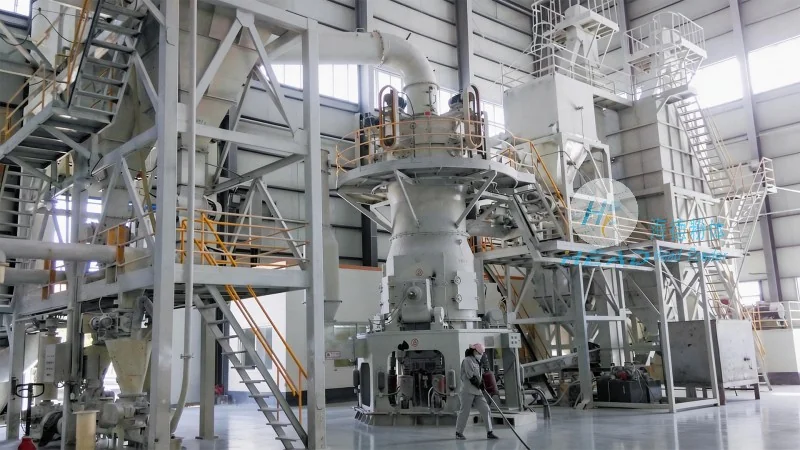
HeadPowder's cement clinker pneumatic conveying systems are designed with several key features that enhance performance and operational efficiency. One of the primary features is the use of high-quality materials for the conveying pipes and components, ensuring durability and resistance to corrosion from the clinker. The system incorporates advanced control systems that allow for precise regulation of air pressure and flow rate, optimizing the conveying process. Additionally, the design includes features to minimize energy consumption, making the system cost-effective and environmentally friendly. The system also offers flexibility in terms of layout, allowing it to be adapted to various plant configurations and space constraints. Furthermore, the equipment is equipped with safety mechanisms, such as pressure relief valves and dust collection systems, to ensure safe and compliant operation.
Implementing a pneumatic conveying system for cement clinker offers numerous advantages over traditional methods like belt conveyors or bucket elevators. The primary advantage is the ability to transport materials in a closed system, which significantly reduces dust emissions and improves workplace safety. This is particularly important in the cement industry, where dust can be a major health hazard. Another advantage is the high efficiency in material handling, as the system can transport clinker over long distances with minimal loss. The system also reduces maintenance costs compared to mechanical conveyors, as there are fewer moving parts and less wear and tear. Furthermore, the system is more flexible in terms of layout changes, allowing for easy expansion or reconfiguration of the plant. The use of compressed air also provides a hygienic and clean environment, which is essential for maintaining product quality and meeting regulatory standards.
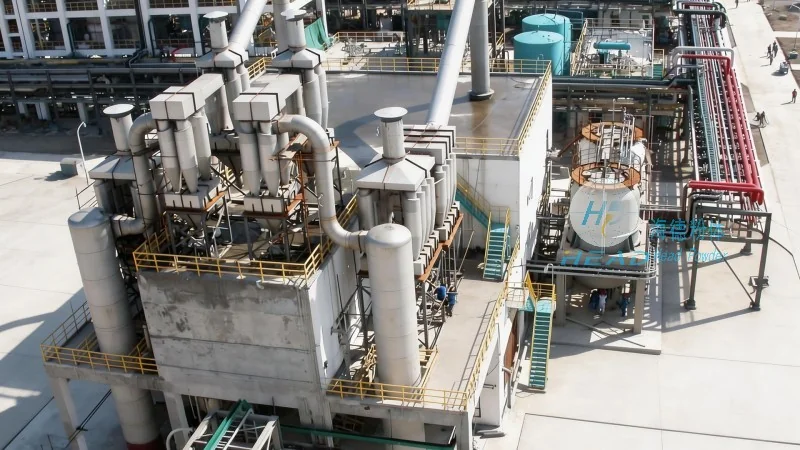
HeadPowder's cement clinker pneumatic conveying systems are suitable for a wide range of applications in the cement industry, including transporting clinker from storage silos to the cement mill, or from the clinker cooler to the packaging plant. The systems can be customized to meet specific project requirements, such as varying the conveying capacity, distance, or material type. The company offers comprehensive engineering services, including site surveys, system design, and installation, to ensure that the system is tailored to the client's needs. Additionally, HeadPowder provides after-sales support, including maintenance and repair services, to ensure the long-term performance and reliability of the system.

 Shandong Headpowder Engineering Co., Ltd.
 156-6277-7102(Manager Zhang)
  0531-83386006
  Jinan City, Shandong Province, China
telephone
WeChatconsult
top