Glass fiber powder handling is a critical process in various industrial applications, particularly in the manufacturing of composite materials, insulation products, and other high-performance materials. The efficient and reliable transportation of glass fiber powders from one point to another is essential for maintaining production efficiency and product quality. This article explores the working principle and key characteristics of glass fiber powder conveying systems, highlighting the technology's importance and the factors that contribute to its effectiveness.
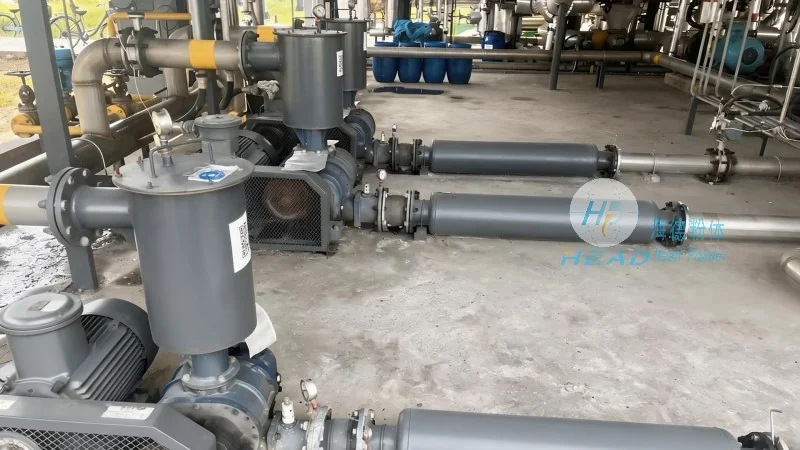
At the core of glass fiber powder conveying systems is the mechanism that moves the fine, abrasive particles through a pipeline or other conveying path. The process typically involves several key components and steps that work in tandem to ensure smooth and consistent material transport. One of the most common methods used is the pneumatic conveying system, which utilizes compressed air or other gases to propel the powder. In this system, the glass fiber powder is introduced into a hopper or feeder, where it is then drawn into a pipeline by the airflow. The air velocity is carefully controlled to maintain a consistent flow rate, preventing clogging and ensuring that the powder moves without excessive pressure drops. Another method is the mechanical conveying system, which employs rotating components such as screws, belts, or buckets to transport the powder. This approach is often used for bulkier or more abrasive materials, where pneumatic systems may not be as effective. The mechanical system relies on the friction between the powder and the conveying component to move the material, making it suitable for applications where high pressure or high temperature conditions are present.
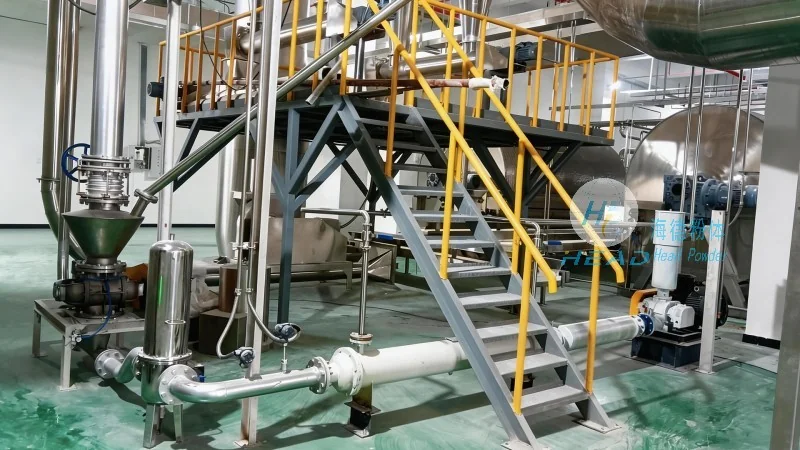
Several distinct characteristics define the performance and suitability of glass fiber powder conveying systems. First, the system's ability to handle abrasive materials is a critical factor. Glass fiber powders are known for their hardness and sharp edges, which can cause wear and tear on conventional conveying equipment. Therefore, specialized components such as wear-resistant liners, high-quality bearings, and durable seals are essential to ensure long-term operation and minimize maintenance costs. Second, the system must maintain a consistent flow rate to avoid fluctuations in production output. Variations in flow can lead to uneven material distribution in downstream processes, affecting the quality of the final product. To achieve this, advanced control systems are employed, which monitor the pressure, temperature, and flow rate in real-time and adjust the conveying parameters as needed. Third, the system's ability to handle fine powders without clogging is paramount. Glass fiber powders have a high tendency to agglomerate or form blockages in the pipeline, especially when the air velocity is too low or the powder concentration is too high. To mitigate this, systems often incorporate features such as pulse-jet cleaning, vibration, or the use of special additives that prevent agglomeration. Fourth, the system must be designed to minimize dust emissions and ensure environmental compliance. Glass fiber powders are lightweight and can easily become airborne, posing health risks and environmental concerns. Therefore, dust collection systems, such as cyclones or baghouses, are typically integrated into the conveying process to capture and contain the powder particles. Finally, the system's energy efficiency is an important consideration. Conveying systems can consume significant amounts of energy, particularly in pneumatic systems where high air pressure is required. Modern systems incorporate energy-saving features, such as variable frequency drives (VFDs) and optimized airflow designs, to reduce energy consumption while maintaining performance.
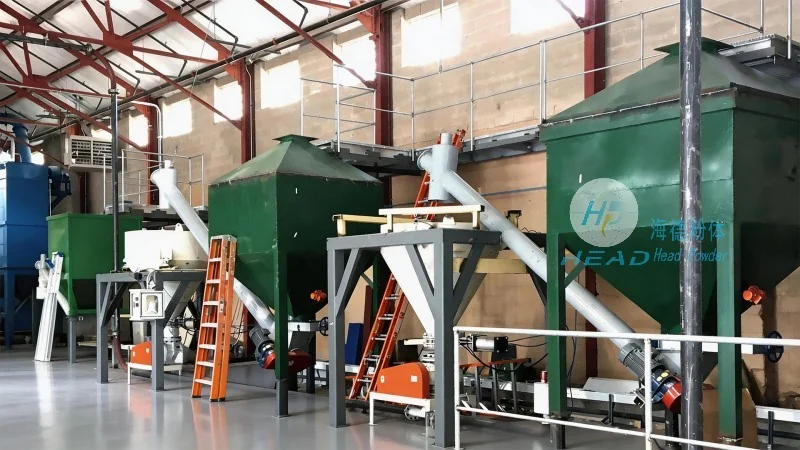
Shandong HeadPowder Engineering Co., Ltd., commonly known as HeadPowder, is a leading manufacturer and supplier of advanced powder handling solutions. With a focus on innovation and customer satisfaction, HeadPowder specializes in the design, development, and manufacturing of glass fiber powder conveying systems tailored to the specific needs of various industries. The company's headquarters is located in Shandong, China, where a team of experienced engineers and technicians work to develop cutting-edge technologies that address the unique challenges of powder handling. HeadPowder's products are known for their durability, efficiency, and reliability, making them a trusted choice for businesses operating in the composite materials, insulation, and other related sectors. The company's commitment to quality and customer service has earned it a strong reputation in the industry, with a growing client base that includes both domestic and international companies. By leveraging its expertise in powder technology and engineering, HeadPowder continues to provide high-quality solutions that enhance production efficiency and product quality for its clients.

 Shandong Headpowder Engineering Co., Ltd.
 156-6277-7102(Manager Zhang)
  0531-83386006
  Jinan City, Shandong Province, China
telephone
WeChatconsult
top