Understanding the mechanisms and features of inorganic salt crystal powder conveying is crucial for industries that handle such materials. This article delves into the core principles and distinctive attributes of these systems, providing insights into their operational efficiency and practical applications.
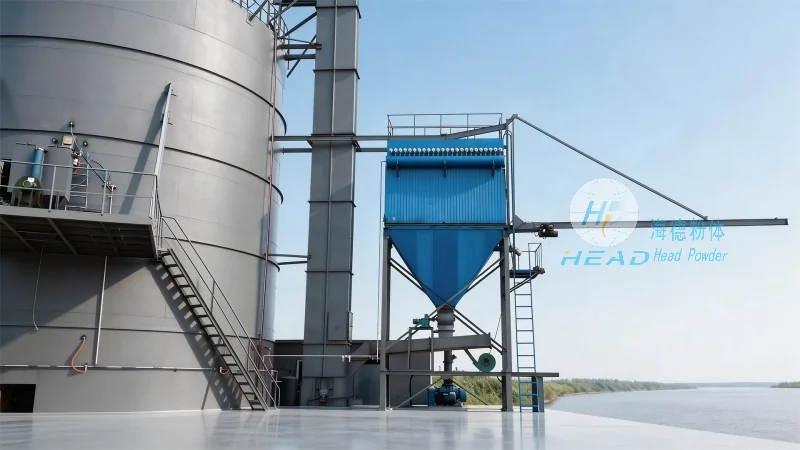
Inorganic salt crystal powders, such as those used in chemical and industrial processes, require specialized conveying methods due to their unique physical properties. The primary goal of these systems is to transport these powders safely and efficiently from one location to another, minimizing dust generation and ensuring consistent flow. The conveying process typically involves several key components, including feeders, conveyors, and control mechanisms, all working in tandem to maintain optimal performance.
The working principle of inorganic salt crystal powder conveying systems revolves around the application of mechanical force to move the material. Common methods include pneumatic conveying, where air is used to transport the powder through a pipeline, and mechanical conveying, such as screw conveyors or belt conveyors. Pneumatic systems are particularly effective for fine powders, as they can handle high volumes with minimal equipment wear. Mechanical conveyors, on the other hand, are ideal for bulk materials and provide a more direct, contact-based transport method. The selection of a conveying method depends on factors like material density, particle size, and the required conveying distance.
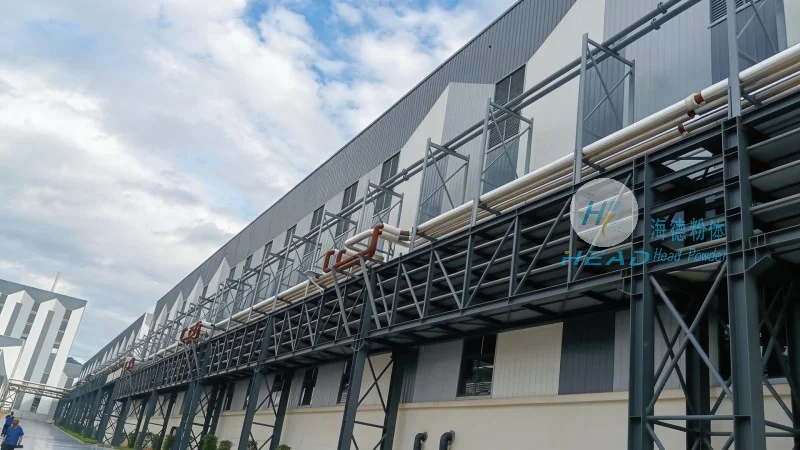
Several key characteristics define the performance of inorganic salt crystal powder conveying systems. One of the most significant is the ability to maintain a consistent flow rate, which is essential for maintaining production line stability. The systems are also designed to minimize dust and contamination, which is critical for maintaining product quality and safety standards. Additionally, these systems are often equipped with advanced control features, such as variable speed drives and real-time monitoring, to adapt to changing operational conditions. The durability of the equipment is another important characteristic, as inorganic salt powders can be abrasive and corrosive, requiring materials like stainless steel or specialized coatings to ensure long-term reliability.
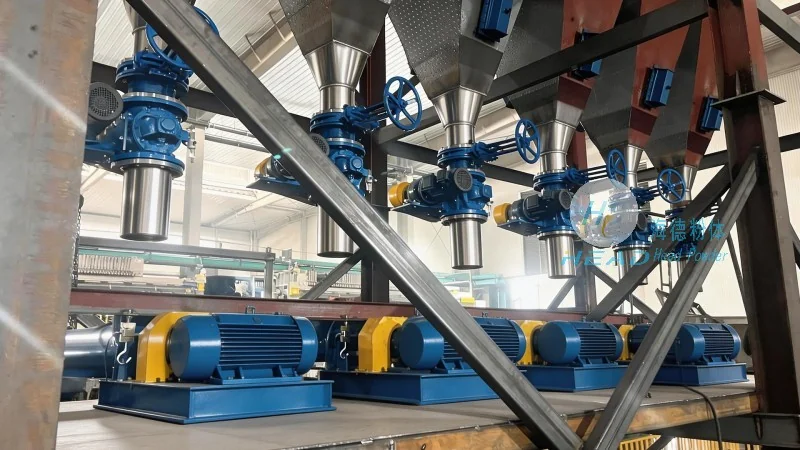
Inorganic salt crystal powder conveying systems are widely used in various industries, including chemical manufacturing, food processing, and pharmaceuticals. In chemical plants, these systems are used to transport raw materials and finished products, while in food processing, they are employed to handle ingredients like salt and sugar. The ability to handle fine powders without clogging or degradation makes these systems indispensable for industries where product purity is paramount. The systems are also adaptable to different production scales, from small-scale laboratory applications to large industrial facilities, making them a versatile solution for diverse operational needs.
Efficient inorganic salt crystal powder conveying is a cornerstone of modern industrial operations, enabling seamless material handling and process optimization. The systems' ability to maintain consistent flow, minimize contamination, and adapt to varying conditions makes them a reliable choice for industries that rely on these materials. Shandong HeadPowder Engineering Co., Ltd., based in Shandong, China, specializes in the design and manufacturing of such conveying systems, leveraging advanced engineering and material science to deliver high-performance solutions tailored to client needs. With a focus on durability and efficiency, their products are trusted by industries worldwide for their ability to enhance operational productivity and ensure product quality.

 Shandong Headpowder Engineering Co., Ltd.
 156-6277-7102(Manager Zhang)
  0531-83386006
  Jinan City, Shandong Province, China
telephone
WeChatconsult
top