Alumina powder conveying lines are critical components in industrial processes, particularly in the production and handling of aluminum oxide. These systems are designed to efficiently transport fine powders like alumina from one location to another, ensuring minimal loss and maintaining product quality. The technology behind these lines involves a combination of mechanical and pneumatic systems, tailored to handle the specific properties of alumina powder, which includes its high density, abrasive nature, and tendency to agglomerate.
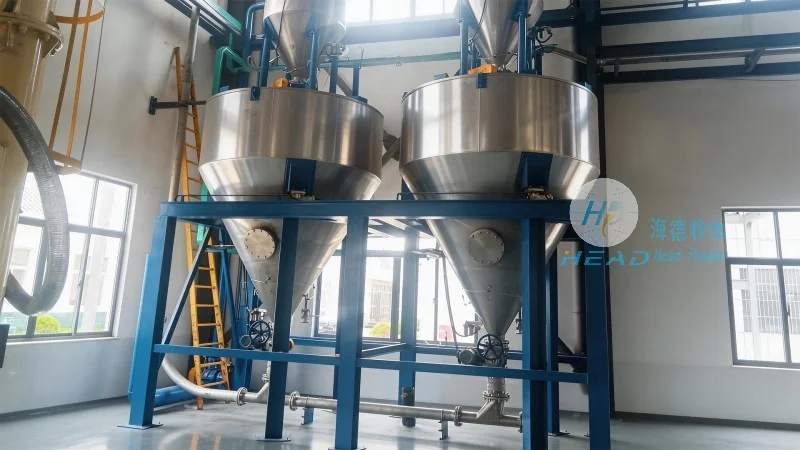
HeadPowder, a leading manufacturer in the field, specializes in the design, development, and installation of advanced powder handling systems. With a focus on precision engineering and customer-centric solutions, the company has established itself as a trusted partner for industries requiring reliable alumina powder conveying solutions. HeadPowder's expertise lies in understanding the unique challenges of handling alumina, such as its tendency to cause wear on equipment and its sensitivity to moisture, and developing systems that mitigate these issues effectively.
The core of an alumina powder conveying line is the method of material transport, which can be broadly categorized into pneumatic and mechanical systems. Pneumatic conveying systems utilize air or other gases to move the powder through a network of pipes. In these systems, the powder is introduced into a hopper, where it is then fed into a venturi or a rotary valve. The air, under pressure, draws the powder into the pipeline, creating a slurry-like mixture that travels to the destination. This method is particularly effective for long-distance or high-volume transport, as it minimizes material degradation and reduces the need for mechanical contact with the powder.
For shorter distances or where high precision is required, mechanical conveying systems are often employed. These systems typically use screw conveyors, belt conveyors, or bucket elevators. Screw conveyors, for instance, consist of a rotating screw inside a tube, which pushes the powder forward. This method is suitable for horizontal or slight incline transport and is effective in maintaining the integrity of the powder by avoiding air exposure. Belt conveyors, on the other hand, use a moving belt to transport the powder, which is ideal for bulk material handling and can be integrated with other processing equipment.
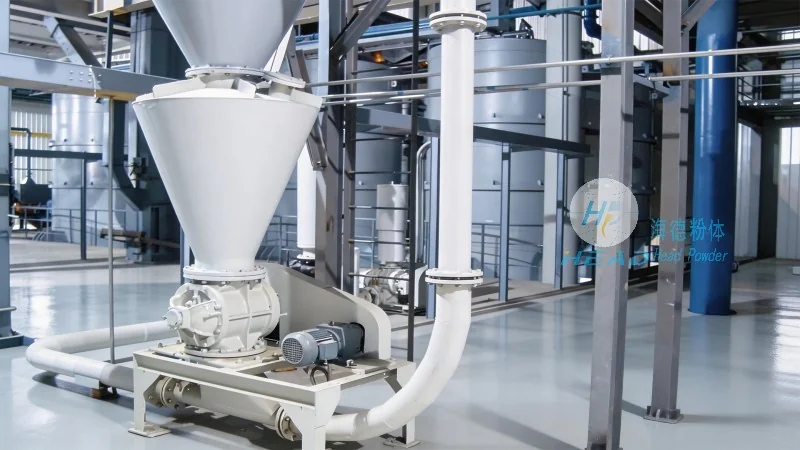
Alumina powder conveying lines from HeadPowder are characterized by several key features that enhance their performance and reliability. One of the primary features is the use of wear-resistant materials in the construction of the conveying components. Since alumina is abrasive, standard materials like steel may not be sufficient, and thus, components such as pipes, hoppers, and valves are often lined with materials like polyurethane, ceramic, or special alloys. This not only extends the lifespan of the equipment but also ensures that the powder quality remains uncompromised.
Another important feature is the integration of dust control systems. Alumina powder is fine and can create significant dust, which poses health and safety risks. The conveying lines are equipped with dust collection systems, including filters and cyclones, that capture and remove airborne particles, ensuring a clean and safe working environment. Additionally, the systems are designed with minimal dead zones, reducing the risk of powder accumulation and the potential for agglomeration, which can lead to blockages and system inefficiencies.
Automation and control are also integral features of modern alumina powder conveying lines. Advanced control systems allow for precise regulation of the conveying rate, pressure, and flow, ensuring consistent performance. These systems can be integrated with other process equipment, enabling real-time monitoring and adjustment. The use of sensors and feedback mechanisms further enhances the reliability of the operation, as any deviations in the system can be detected and corrected promptly.
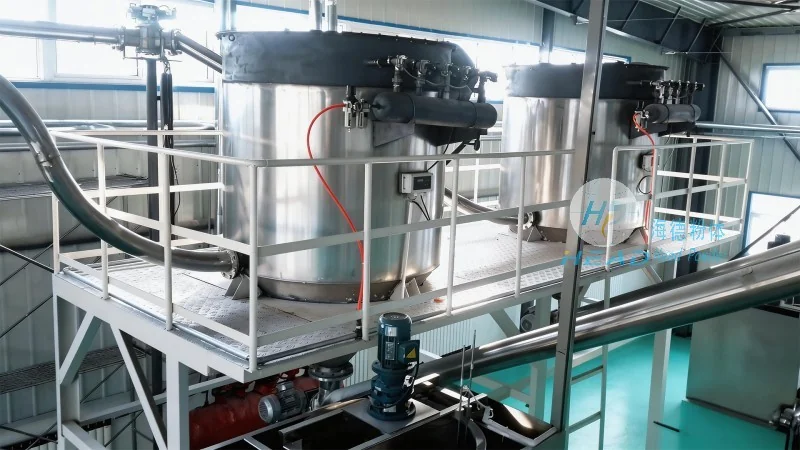
The implementation of alumina powder conveying lines offers numerous benefits to industrial operations. Firstly, they improve efficiency by reducing the time and labor required for manual handling of the powder. The automated systems can operate continuously, minimizing downtime and maximizing production output. Secondly, they enhance product quality by maintaining the purity and consistency of the alumina powder. The enclosed systems prevent contamination from external sources, such as moisture or other particles, which is crucial for applications where the powder is used in high-precision manufacturing processes.
Cost savings are another significant advantage. By reducing material loss and minimizing equipment wear, the conveying lines lower the overall operational costs. The long service life of wear-resistant components also reduces the frequency of maintenance and replacement, contributing to lower long-term expenses. Furthermore, the improved safety features, such as dust control and automated operation, reduce the risk of workplace accidents, leading to lower insurance costs and a safer working environment.
Alumina powder conveying lines are essential for the efficient and safe handling of aluminum oxide in various industrial applications. The systems, designed by companies like Shandong HeadPowder Engineering Co., Ltd., combine advanced engineering principles with practical solutions to address the unique challenges of alumina powder. By leveraging pneumatic and mechanical conveying methods, along with features such as wear resistance, dust control, and automation, these lines ensure reliable performance, product quality, and operational efficiency. For industries requiring consistent and high-quality alumina powder transport, investing in a well-designed conveying line is a strategic decision that enhances overall productivity and safety.

 Shandong Headpowder Engineering Co., Ltd.
 156-6277-7102(Manager Zhang)
  0531-83386006
  Jinan City, Shandong Province, China
telephone
WeChatconsult
top