For industrial applications involving the handling of dry lime powder, the selection of an appropriate conveyor system is crucial for efficiency, safety, and operational reliability. This article provides an in-depth look at the working principle and key features of dry lime powder conveyors, with a focus on the technology offered by Shandong HeadPowder Engineering Co., Ltd., a leading manufacturer based in China.
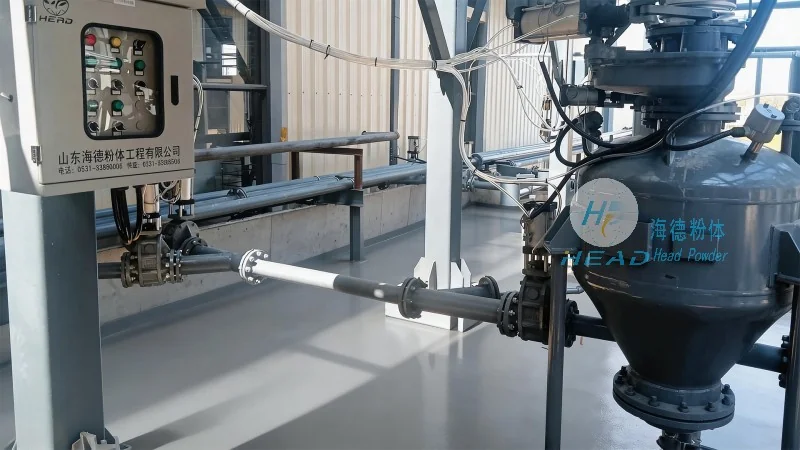
Dry lime powder conveyors are specialized equipment designed to transport fine, dry powders like lime over short to medium distances within industrial settings. These systems are essential in processes such as chemical production, environmental remediation, and material processing, where the consistent and safe movement of lime powder is critical. The design of these conveyors must address challenges like dust generation, material segregation, and the need for minimal product degradation during transport.
The core working principle of dry lime powder conveyors typically involves the use of air or mechanical force to move the powder from a source to a destination. One common method is the pneumatic conveying system, which utilizes compressed air to create a flow that carries the powder particles through a pipeline. In this system, the lime powder is fed into a hopper or feeder, where it is then drawn into the conveying line by the air flow. The air and powder mixture travels through the pipeline, often with the assistance of cyclones or separators at the discharge end to separate the powder from the air. Another mechanical method involves the use of screw conveyors or belt conveyors, which rely on rotating components to push the powder along a trough or belt. For dry lime powder, which is often hygroscopic and can clump, the pneumatic system is often preferred due to its ability to handle fine particles without the risk of blockages that can occur with mechanical systems.
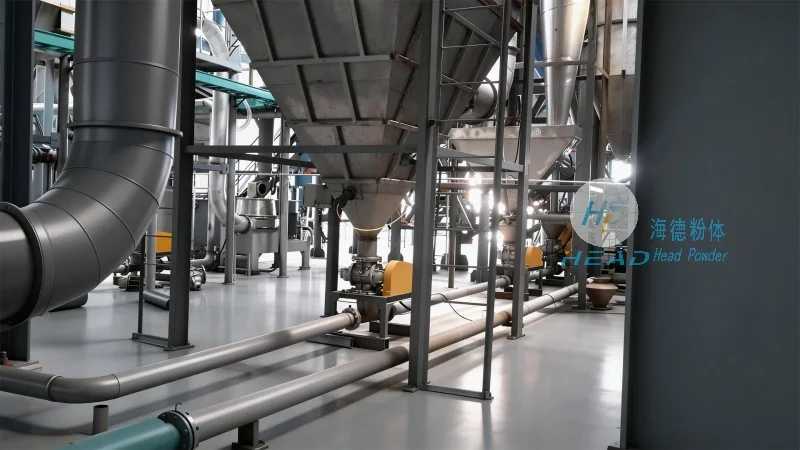
Effective dry lime powder conveyors are characterized by several key features that enhance performance and operational safety. Firstly, they are designed to minimize dust emissions, which is critical for maintaining a safe working environment and complying with environmental regulations. This is achieved through the use of sealed systems, dust collection hoods, and efficient filtration. Secondly, the conveyors are constructed from materials that are resistant to corrosion and wear, such as stainless steel or special alloys, to withstand the chemical properties of lime and the abrasive nature of the powder. Thirdly, the systems are equipped with advanced control mechanisms that allow for precise regulation of flow rates, pressure, and air volume, ensuring consistent and reliable transport. Additionally, the design often includes features like variable speed drives and automatic shut-off valves to prevent overloading and protect the equipment from damage. The ability to handle fine particles without segregation is another important feature, as lime powder can easily separate based on particle size and density, leading to uneven distribution if not properly managed.
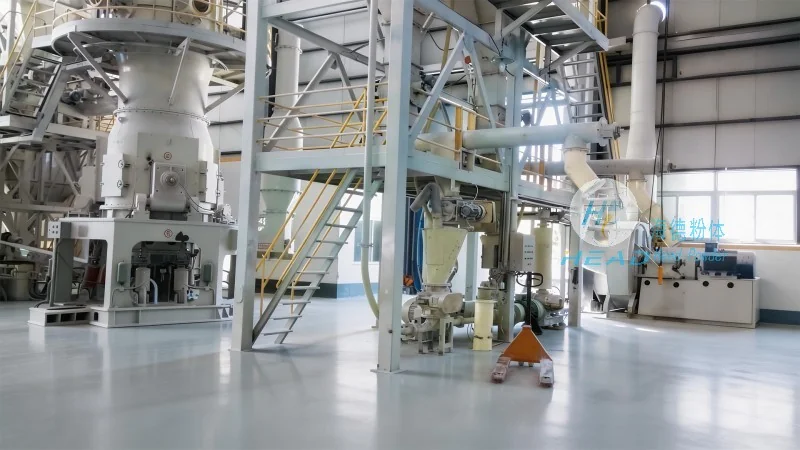
When selecting a dry lime powder conveyor, several technical specifications and application factors must be considered. The capacity of the conveyor, measured in terms of material flow rate (e.g., tons per hour), is a primary consideration based on the production requirements. The distance to be covered and the layout of the facility will influence the choice between pneumatic and mechanical systems, as pneumatic systems are generally more suitable for longer distances. The particle size distribution of the lime powder is also critical, as finer particles may require higher air velocities or specialized feeding mechanisms to prevent clogging. The system's energy consumption and operational costs are important economic factors, with pneumatic systems typically consuming more energy but offering higher efficiency in certain applications. Maintenance requirements and the availability of spare parts are also key considerations, as regular cleaning and component replacement are necessary to ensure long-term performance. For applications involving lime powder used in flue gas desulfurization or other industrial processes, the conveyor must meet specific standards for material purity and contamination control.
Dry lime powder conveyors are essential equipment for industries that rely on the efficient and safe handling of fine, dry powders. The working principle, which often combines pneumatic or mechanical forces with advanced control systems, ensures that lime powder is transported with minimal loss, degradation, or environmental impact. Key features such as dust suppression, corrosion resistance, and precise flow control make these systems reliable for demanding industrial applications. Shandong HeadPowder Engineering Co., Ltd., based in China, specializes in the design and manufacturing of high-quality dry lime powder conveyors, providing customized solutions tailored to the specific needs of their clients. With a focus on innovation and adherence to industry standards, the company offers equipment that enhances operational efficiency and safety in lime handling processes.

 Shandong Headpowder Engineering Co., Ltd.
 156-6277-7102(Manager Zhang)
  0531-83386006
  Jinan City, Shandong Province, China
telephone
WeChatconsult
top