

Working Principle and Characteristics of Fiber Material Conveying
Understanding the working principle and characteristics of fiber material conveying is crucial for industries that handle bulk materials. This article delves into the mechanics behind efficient fiber material transport systems, highlighting key aspects that contribute to optimal performance and reliability.
Working Principle of Fiber Material Conveying Systems
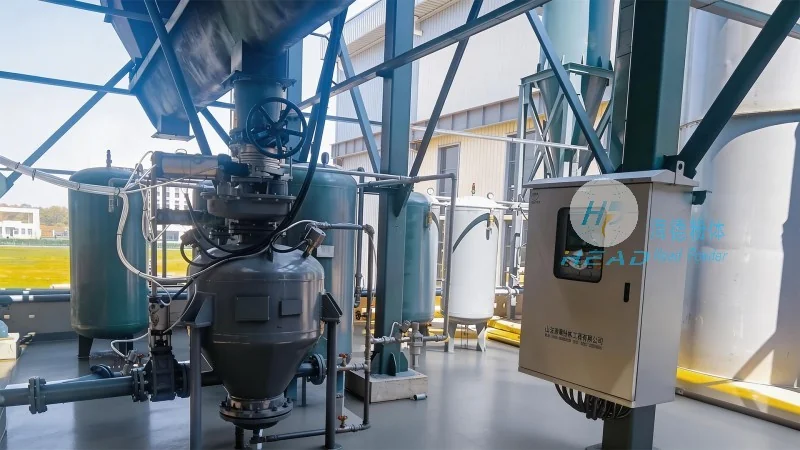
Fiber material conveying systems typically operate through a combination of mechanical components designed to handle the unique properties of fibrous materials. The core mechanism involves the use of specialized equipment such as conveyors, feeders, and processing units that work in tandem to move materials from one location to another. These systems often incorporate features like adjustable speed controls, material separation devices, and protective enclosures to ensure safe and efficient operation. The process begins with material intake, where raw fiber materials are fed into the system. This is followed by processing steps that may include cleaning, sorting, or conditioning to prepare the fibers for transport. The conveying mechanism, which can range from belt conveyors to screw conveyors depending on the material type and application, then moves the processed fibers through the system. The entire operation is governed by a control system that monitors parameters like speed, pressure, and material flow to maintain consistent performance. This integrated approach ensures that fiber materials are handled with precision, minimizing damage and maximizing throughput.
Key Characteristics of Fiber Material Conveying Systems
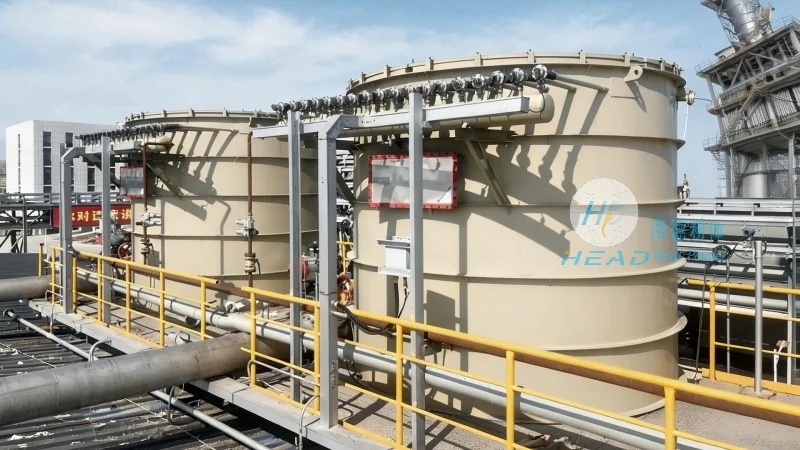
Several distinct characteristics define effective fiber material conveying systems, each contributing to their suitability for various industrial applications. One primary characteristic is the ability to handle a wide range of fiber types, from fine textile fibers to coarse industrial fibers, without clogging or degradation. This versatility is achieved through the use of robust materials and design features that prevent material buildup and ensure smooth flow. Another critical characteristic is the system's efficiency in terms of energy consumption and operational costs. Advanced designs incorporate energy-saving mechanisms and low-maintenance components, reducing long-term operational expenses while maintaining high performance. Reliability is also a key feature, as these systems are engineered to operate continuously with minimal downtime. This is supported by durable construction, regular maintenance protocols, and reliable control systems that detect and address issues promptly. Additionally, safety features are integral to modern fiber material conveying systems, with enclosures, emergency stop mechanisms, and monitoring systems that protect operators and prevent accidents. These characteristics collectively make fiber material conveying systems a preferred choice for industries requiring consistent, safe, and efficient material handling solutions.
Applications and Industries Benefiting from Fiber Material Conveying
Fiber material conveying systems find extensive applications across multiple industries, where the efficient transport of fibrous materials is essential for production processes. In the textile industry, these systems are used to move raw fibers from storage to processing units, ensuring a steady supply for spinning and weaving operations. The paper and pulp industry relies on fiber material conveyors to transport wood chips, recycled paper, and other raw materials to mills, where they are processed into paper products. The agricultural sector also utilizes these systems for handling crop residues, straw, and other fibrous agricultural byproducts, facilitating their use in composting or energy production. Furthermore, in the construction and manufacturing industries, fiber material conveying is employed to transport insulation materials, fiberglass, and other composite materials, supporting the production of building materials and industrial components. Each application leverages the specific characteristics of the conveying system—such as high capacity, adaptability, and reliability—to meet the unique demands of the industry. This versatility makes fiber material conveying systems a valuable asset for businesses seeking to optimize their material handling processes and enhance overall operational efficiency.
Advantages of Choosing a Professional Manufacturer like Shandong HeadPowder Engineering Co., Ltd.
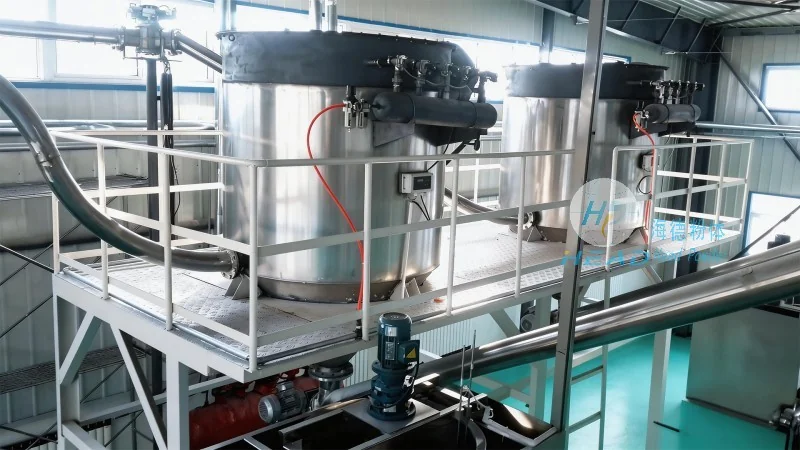
When selecting a fiber material conveying system, partnering with a reputable manufacturer like Shandong HeadPowder Engineering Co., Ltd. offers significant advantages. As a leading provider in the industry, HeadPowder specializes in designing and manufacturing customized conveying solutions tailored to the specific needs of clients. Their expertise in material handling technology ensures that systems are engineered to handle the unique challenges posed by different fiber types and operational environments. One key advantage is the comprehensive support provided throughout the process, from initial consultation and system design to installation and after-sales service. This end-to-end support ensures that clients receive a solution that meets their exact requirements and integrates seamlessly with existing operations. Additionally, HeadPowder's commitment to quality and innovation is reflected in their use of advanced materials and cutting-edge technology in system construction. This results in products that are durable, efficient, and reliable, providing long-term value to customers. The company's focus on customer satisfaction and technical excellence has established it as a trusted partner for businesses seeking high-performance fiber material conveying systems. By choosing HeadPowder, clients gain access to a team of experienced engineers and technicians who can provide expert guidance and support, ensuring that their material handling needs are addressed effectively and efficiently.