

Working Principle and Characteristics of Red Mud Material Handling
Red mud, a byproduct of the bauxite refining process for aluminum production, poses significant challenges in material handling due to its high moisture content, abrasive nature, and potential environmental hazards. Efficient and reliable red mud material handling systems are crucial for industrial operations to ensure safe and sustainable processing. This article explores the working principles and key characteristics of red mud material handling systems, highlighting the technological advancements and operational advantages offered by specialized equipment from Shandong HeadPowder Engineering Co., Ltd.
Understanding Red Mud Material Handling Systems
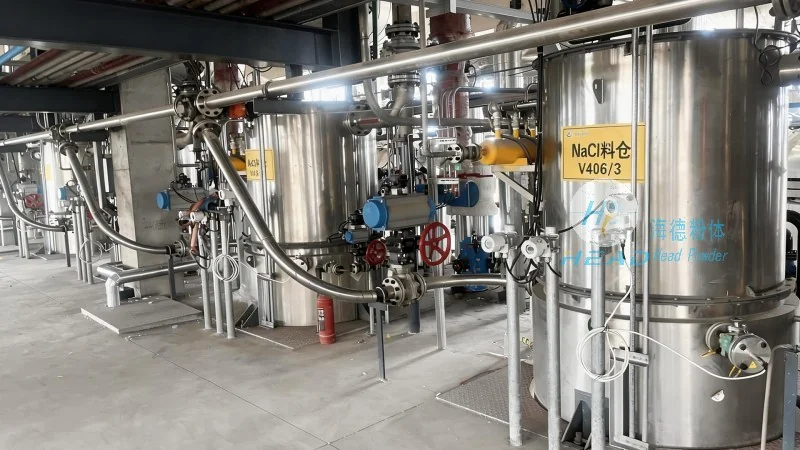
Red mud material handling systems are engineered to transport, store, and manage red mud, which is a highly alkaline and abrasive waste product. The primary goal of these systems is to minimize environmental impact while optimizing the efficiency of material movement within industrial facilities. The systems typically consist of several components, including conveyors, storage silos, and processing equipment, all designed to handle the unique properties of red mud.
Working Principle of Red Mud Material Handling
The working principle of red mud material handling systems involves a series of coordinated operations to move red mud from its source to its destination. The process begins with the collection of red mud from the bauxite refining plant, where it is often in a slurry or wet solid form. The first step typically involves dewatering equipment, such as centrifuges or filter presses, to reduce the moisture content and convert the material into a more manageable solid state. Once dewatered, the red mud is fed into a conveyor system, which may include belt conveyors, screw conveyors, or pneumatic conveyors, depending on the specific application and facility layout.
Belt conveyors are commonly used for horizontal and slight incline transport due to their high load capacity and ability to handle abrasive materials. The conveyor system transports the red mud to storage silos or processing units. In some cases, the red mud may be further processed, such as through drying or pelletizing, before final disposal or reuse. The entire process is controlled by a centralized system that monitors flow rates, moisture levels, and equipment performance to ensure smooth operation.
Key Characteristics of Red Mud Material Handling
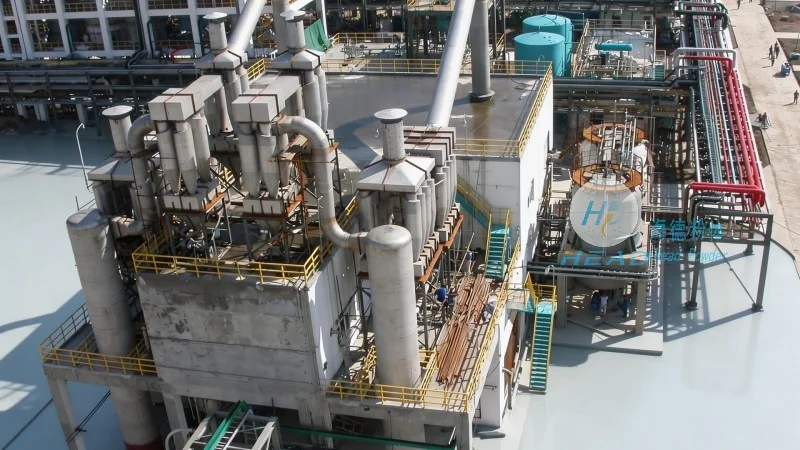
Red mud material handling systems exhibit several distinct characteristics that set them apart from conventional material handling solutions. One of the most significant characteristics is their ability to handle highly abrasive and corrosive materials. The equipment used, such as high-strength steel belts and wear-resistant components, is specifically designed to withstand the harsh conditions of red mud processing. This durability ensures long-term reliability and reduces maintenance costs.
Another key characteristic is the focus on environmental sustainability. Modern red mud handling systems incorporate advanced filtration and dust control measures to minimize emissions and prevent contamination of air and water sources. The systems are often equipped with closed-loop designs that reduce the need for external water sources and minimize waste discharge. This approach aligns with global environmental regulations and promotes responsible industrial practices.
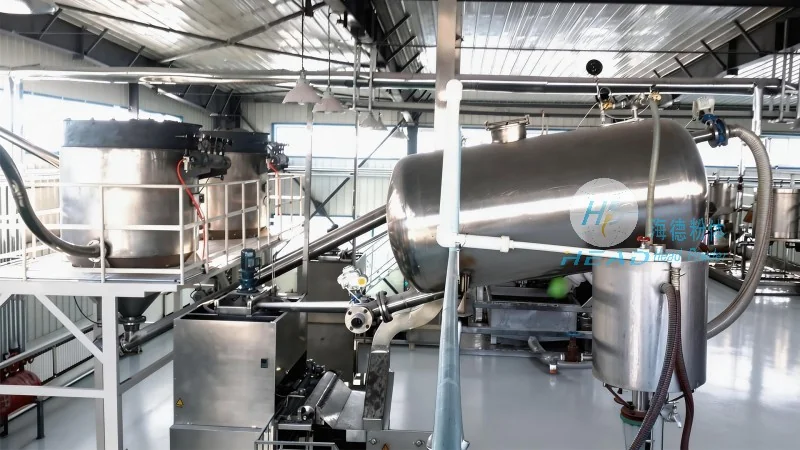
Efficiency and automation are also prominent characteristics of red mud material handling systems. The integration of sensors, control systems, and automated controls allows for real-time monitoring and adjustment of the material flow. This not only improves operational efficiency but also enhances safety by reducing the need for manual handling of hazardous materials. The systems are designed to operate continuously with minimal downtime, ensuring consistent production output.
Technological Advancements in Red Mud Handling
Shandong HeadPowder Engineering Co., Ltd. has pioneered several technological advancements in red mud material handling, contributing to the industry's progress. The company specializes in customizing material handling solutions tailored to the specific needs of aluminum production facilities. Their expertise lies in designing systems that balance performance, durability, and environmental compliance. For example, their innovative conveyor systems incorporate advanced materials and design features that enhance wear resistance and reduce maintenance requirements.
The company also emphasizes the importance of integration with existing infrastructure. Their engineers work closely with clients to assess current facilities and recommend optimal solutions that minimize disruption to ongoing operations. This approach ensures that the new material handling systems are seamlessly integrated and provide immediate benefits.