

[W]Working Principle and Features of Pea Material Handling Systems
Pea material handling systems are essential for efficient processing and transportation of pea products in agricultural and food processing industries. Understanding the working principle and key features of such systems is crucial for optimizing operational efficiency and ensuring product quality. This article provides an in-depth look at the mechanisms and characteristics of pea material handling systems, tailored for the needs of businesses involved in pea processing.
Introduction to Pea Material Handling Systems
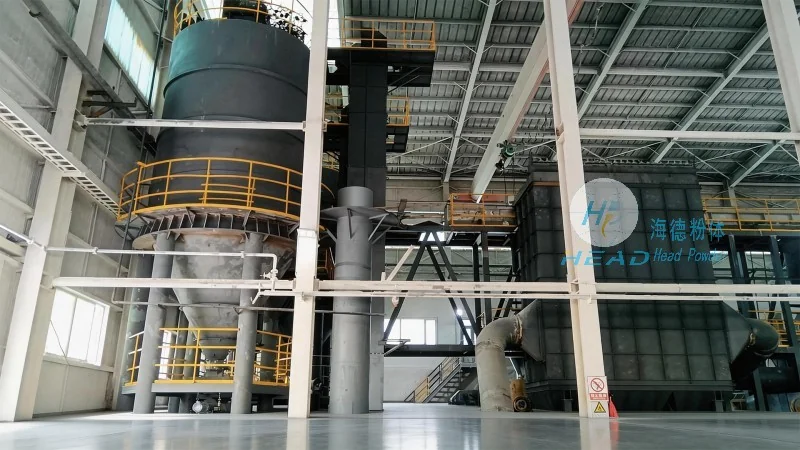
Pea material handling systems are specialized equipment designed to move, store, and process pea products from the initial harvest stage through to final packaging. These systems integrate various components such as conveyors, elevators, and sorting mechanisms to streamline the entire workflow. The primary goal is to enhance productivity while maintaining the integrity of the peas, which is vital for both commercial and industrial applications.
Working Principle of Pea Material Handling Systems
The working principle of a pea material handling system typically involves several stages, each designed to handle different aspects of the processing workflow. The process begins with the reception of raw peas, which are often delivered in bulk containers or sacks. The system then uses a combination of mechanical and sometimes pneumatic components to transfer the peas into a processing area. Key components include:
1. Conveyor Systems: These are the backbone of the material handling process, using belts or rollers to transport peas horizontally or vertically. For pea processing, conveyor belts are often made of food-grade materials to prevent contamination and ensure durability. The design may vary, with some systems using belt conveyors for gentle movement and others employing bucket elevators for vertical transport.
2. Elevators and Lifts: Vertical movement of peas is achieved through elevators, which can be either belt or chain-driven. These devices lift peas from lower to higher levels, facilitating the transition between different processing stages. The efficiency of elevators is critical as they directly impact the overall throughput of the system.
3. Sorting and Screening Equipment: After initial transport, peas may undergo sorting to remove impurities like stones, dirt, or damaged peas. This is often done using vibrating screens or air classifiers, which separate materials based on size or density. The sorted peas are then directed to the next processing step, such as cleaning or grading.
4. Storage and Buffering Systems: Once processed, peas are stored in silos or bulk containers. These systems ensure a steady supply of material for downstream operations, such as packaging or further processing. The storage capacity and design are tailored to the production volume and operational needs of the facility.
Key Features of Pea Material Handling Systems
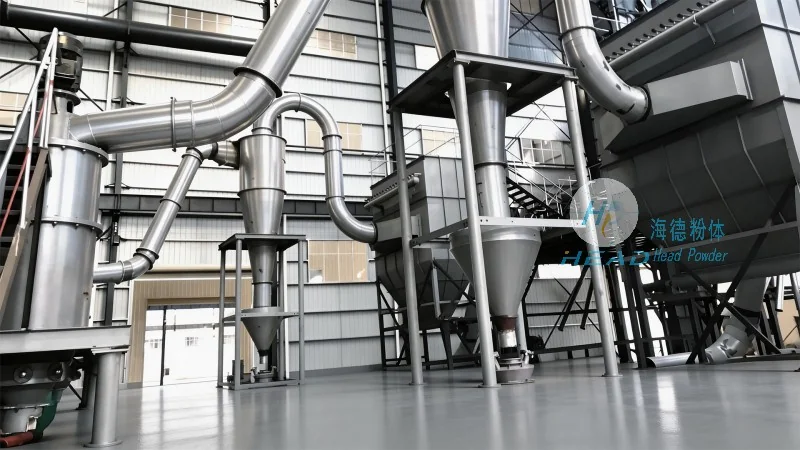
Modern pea material handling systems are characterized by several key features that enhance their performance and adaptability. These features are designed to meet the specific demands of pea processing while ensuring operational efficiency and product quality. The following are some of the most notable features:
1. Customizable Design: Systems are often modular and can be customized to fit the specific requirements of a facility. This includes adjusting conveyor lengths, elevator heights, and storage capacities based on production volume and space constraints. Such flexibility allows businesses to scale their operations as needed without significant capital investment.
2. Food-Grade Materials: All components of the system, including belts, containers, and machinery, are constructed from food-grade materials. This ensures that the peas remain free from contamination throughout the handling process, which is essential for maintaining compliance with food safety regulations and consumer trust.
3. Energy Efficiency: Advanced systems incorporate energy-saving technologies, such as variable speed drives and optimized conveyor designs. These features reduce energy consumption while maintaining or improving throughput, contributing to lower operational costs and a smaller environmental footprint.
4. Integration with Processing Lines: Pea material handling systems are designed to integrate seamlessly with other processing equipment, such as washing machines, blanchers, and packaging machines. This integration streamlines the entire production line, reducing manual intervention and minimizing the risk of product damage or loss.
5. Easy Maintenance and Cleaning: The design of modern systems prioritizes ease of maintenance and cleaning. Components are easily accessible for inspection and repair, and the system is constructed with smooth surfaces to prevent the accumulation of pea residue. This ensures that the equipment remains in optimal condition and can be quickly sanitized between batches.
Benefits of Using Advanced Pea Material Handling Systems
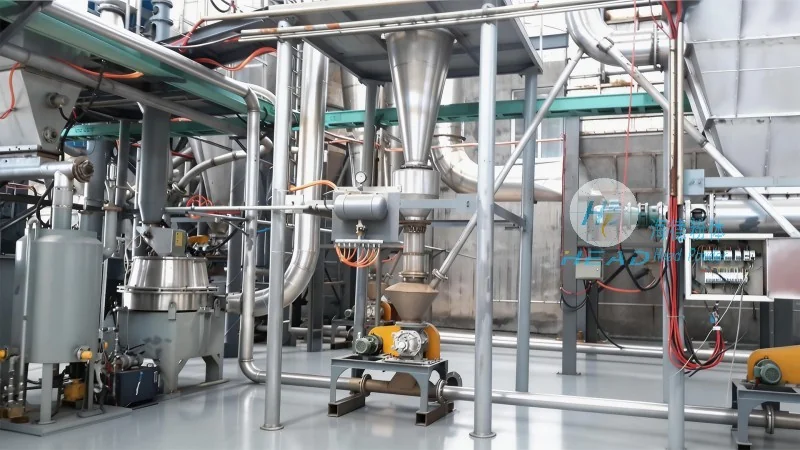
Implementing a well-designed pea material handling system offers numerous benefits for businesses in the pea processing industry. These benefits extend beyond mere efficiency and include improved product quality, reduced operational costs, and enhanced safety. Some of the key advantages include:
1. Increased Productivity: By automating the material handling process, businesses can achieve higher throughput rates and reduce downtime. This leads to increased production capacity and the ability to meet market demands more effectively.
2. Improved Product Quality: The gentle handling and sorting processes in modern systems help preserve the quality and freshness of the peas. This is particularly important for products like canned peas or frozen peas, where texture and appearance are critical to consumer acceptance.
3. Cost Savings: Energy-efficient designs and reduced labor requirements contribute to lower operational costs. Additionally, the prevention of product loss and damage through efficient handling further reduces waste and associated costs.
4. Enhanced Safety: Automated systems minimize the need for manual handling of heavy or bulky pea loads, reducing the risk of workplace injuries. This not only improves employee safety but also helps businesses comply with occupational health and safety regulations.
Conclusion
Pea material handling systems are a critical component of modern pea processing operations, offering a combination of efficiency, quality, and safety. By understanding the working principles and key features of these systems, businesses can make informed decisions when selecting or upgrading their equipment. The integration of advanced technologies and customizable designs ensures that these systems can adapt to the evolving needs of the pea processing industry, supporting long-term success and growth.