

Working Principle and Features of Feed Material Conveying Systems
Feed material conveying systems are essential components in the agricultural and animal feed processing industries. These systems are designed to efficiently transport bulk materials such as feed pellets, powders, and other raw ingredients from one processing stage to another. Understanding the working principle and key features of these systems is crucial for optimizing production efficiency and ensuring consistent material handling in feed manufacturing facilities.
The Working Principle of Feed Material Conveying Systems
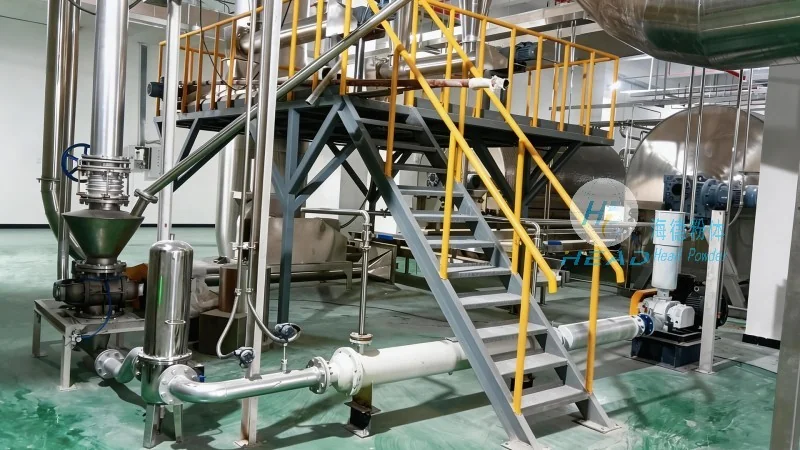
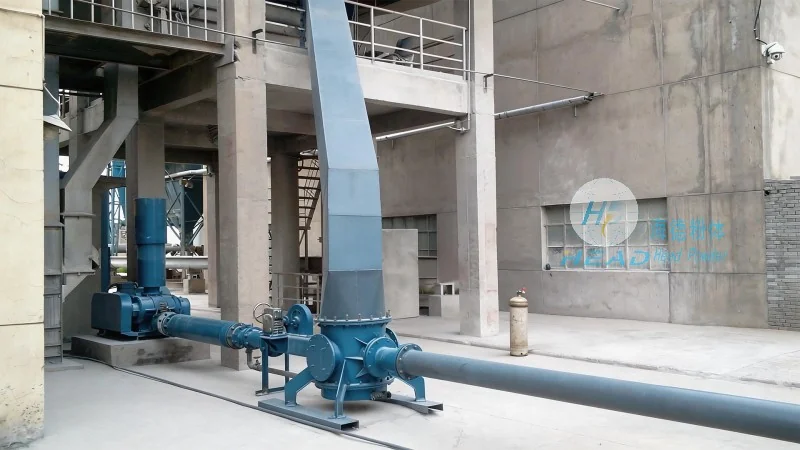
At the core of feed material conveying systems is the mechanism that moves bulk materials through a pipeline or conveyor. The primary working principle involves the use of various components like feed hoppers, conveyor belts, screw conveyors, or pneumatic systems to transport feed materials. For instance, screw conveyors utilize rotating screws to push material forward, while pneumatic systems use air pressure to transport materials through pipes. The system typically starts with a feed hopper that stores the raw feed material, which is then fed into the conveying mechanism. The material is then transported to the next processing unit, such as a mixer or a storage silo. The entire process is controlled by a system of valves, sensors, and control panels to ensure smooth and continuous operation.
Key Features of Feed Material Conveying Systems
Feed material conveying systems are characterized by several key features that enhance their performance and reliability. One of the most important features is the ability to handle a wide range of feed materials, including different types of feed pellets, powders, and even wet or sticky materials. This versatility is achieved through the use of different conveyor types and adjustable settings. Another critical feature is the system's efficiency in terms of energy consumption and material throughput. Modern conveying systems are designed to minimize energy waste while maximizing the amount of material transported per unit of time. Additionally, these systems often include features for material flow control, such as variable speed drives and flow meters, which help maintain consistent material flow rates. Safety features are also integral, with sensors to detect blockages or overloads, preventing system damage and ensuring operator safety.
Applications in Feed Manufacturing
Feed material conveying systems are widely used in various stages of feed manufacturing. In the initial stages, they transport raw materials from storage silos to the grinding and mixing units. During the mixing process, conveying systems ensure that all ingredients are evenly distributed and mixed. After mixing, the feed is conveyed to the pelletizing or extrusion units, where it is processed into feed pellets. Finally, the finished feed is conveyed to storage silos or packaging areas. The efficiency of these conveying systems directly impacts the overall production capacity and quality of the final feed product. By ensuring consistent material flow, these systems help maintain product quality and reduce waste.
Advantages of Using Feed Material Conveying Systems
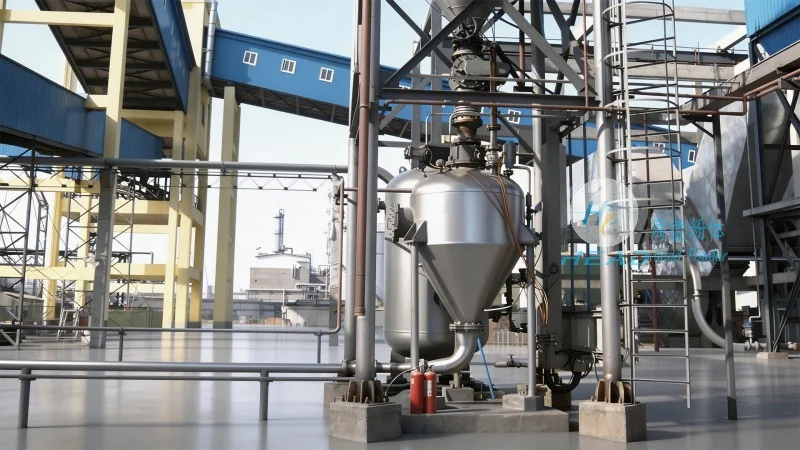
Implementing feed material conveying systems offers several advantages for feed manufacturers. Firstly, they significantly improve production efficiency by automating the material handling process, reducing the need for manual labor and minimizing downtime. Secondly, these systems enhance product quality by ensuring consistent material flow and preventing contamination. This consistency is crucial for maintaining the nutritional value and uniformity of the feed. Thirdly, the systems are designed for durability and low maintenance, reducing long-term operational costs. The use of advanced materials and components ensures that the systems can withstand the harsh conditions of feed processing, such as high temperatures and moisture. Additionally, the modular design of many conveying systems allows for easy expansion or modification as production needs change, providing flexibility for growing businesses.
Conclusion
In conclusion, feed material conveying systems are vital for the efficient operation of feed manufacturing facilities. Their working principle, which involves the use of various conveying mechanisms to transport bulk feed materials, is designed to optimize material handling and production efficiency. The key features of these systems, including versatility, energy efficiency, and safety, make them indispensable in modern feed processing. By understanding and implementing these systems effectively, feed manufacturers can enhance their production capabilities, maintain product quality, and reduce operational costs. As the demand for high-quality animal feed continues to grow, the importance of reliable feed material conveying systems will only increase, making them a critical investment for any feed processing operation.