

Working Principle and Features of Negative Pressure Vacuum Material Handling Equipment
HeadPowder, a leading provider of industrial material handling solutions, specializes in advanced negative pressure vacuum equipment designed for efficient and reliable material transport. This article explores the working principle and key features of such equipment, highlighting its applications and benefits in various industrial settings.
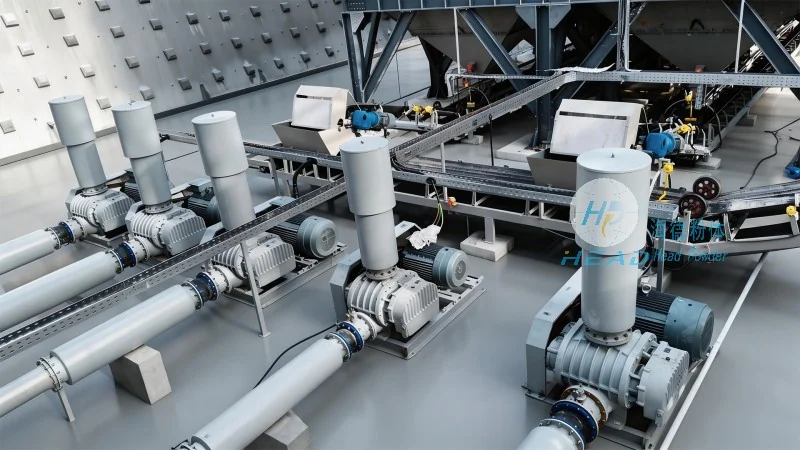
Introduction to Negative Pressure Vacuum Material Handling Equipment
Negative pressure vacuum material handling systems are engineered to transport bulk materials over short to medium distances using a vacuum-driven suction mechanism. These systems are widely used in industries such as food processing, pharmaceuticals, chemicals, and manufacturing, where precise and clean material transfer is critical. The equipment is manufactured by Shandong HeadPowder Engineering Co., Ltd., a company based in China, known for its innovative engineering and commitment to quality.
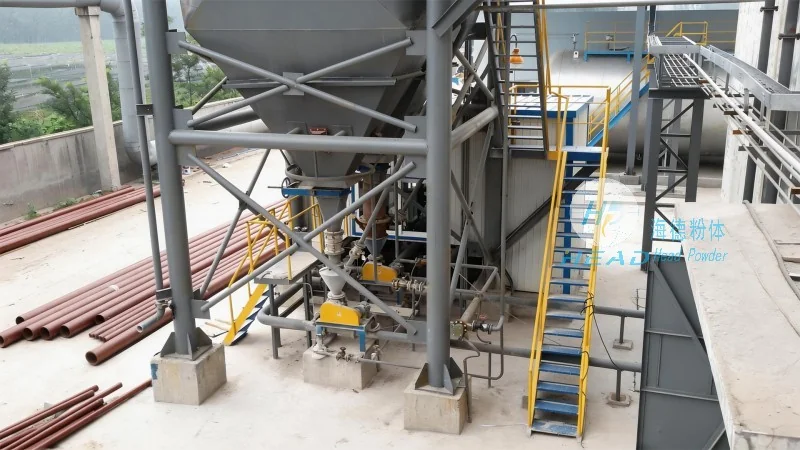
Working Principle of the Equipment
The core of negative pressure vacuum material handling equipment is a vacuum pump that creates a low-pressure environment within the system. This vacuum draws material from a source, such as a hopper or container, into a transport line. The process typically involves several key components: a vacuum pump to generate the suction force, a filter to ensure material purity, a control valve to regulate flow, and a discharge mechanism to release the material at the destination. The system operates by creating a pressure differential between the intake and discharge points, enabling continuous material movement without the need for mechanical conveyors or external power beyond the vacuum pump.
Key Features of the Equipment
HeadPowder's negative pressure vacuum material handling equipment offers several distinct advantages that make it suitable for diverse industrial applications. One of the primary features is its ability to handle a wide range of materials, including powders, granules, and small particles, with minimal degradation or contamination. The equipment is designed for low maintenance, featuring robust components that reduce downtime and operational costs. Additionally, the system provides precise control over material flow rates, allowing for accurate dosing and dosing in production processes. Another notable feature is its compact design, which saves space in facilities while maintaining high throughput. The equipment also complies with industry standards for safety and hygiene, making it suitable for applications where material purity is paramount.
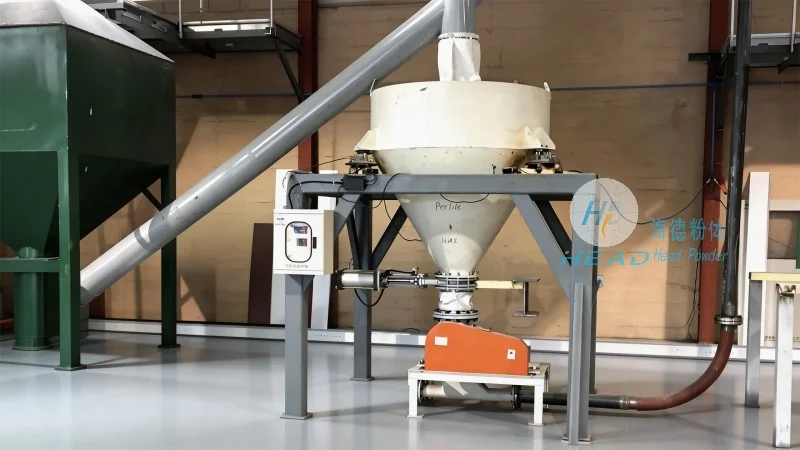
Application Scenarios and Benefits
Negative pressure vacuum material handling equipment is employed in various scenarios where traditional conveyors may be impractical or inefficient. For example, in food processing plants, it is used to transport ingredients like flour, sugar, and spices from storage to production lines, ensuring a clean and hygienic transfer process. In pharmaceutical manufacturing, the equipment is utilized to handle active pharmaceutical ingredients (APIs) and excipients, maintaining strict contamination control. In chemical plants, it aids in the transport of powders and granules for blending and processing, enhancing safety by eliminating manual handling. The benefits of using this equipment include increased operational efficiency, reduced labor costs, improved product quality, and enhanced workplace safety. By leveraging the vacuum-driven suction mechanism, industries can achieve reliable material transport with minimal environmental impact.