

Working Principle and Features of Small Bag Material Handling Equipment
Small bag material handling equipment is a specialized system designed to efficiently manage the transfer, storage, and processing of materials packaged in small bags. This equipment plays a crucial role in various industrial sectors, including manufacturing, logistics, and chemical processing, where handling bulk materials in small bag formats is common. The core function of such equipment is to automate the material flow from the point of arrival to the point of use, reducing manual labor and enhancing operational efficiency.

HeadPowder, a leading manufacturer based in Shandong, China, specializes in the design and production of advanced small bag material handling solutions. The company's equipment is engineered to meet the diverse needs of different industries, ensuring reliability and adaptability in demanding environments. By integrating cutting-edge technology with robust engineering, HeadPowder's systems provide a seamless solution for material handling challenges associated with small bag packaging.
Working Principle of Small Bag Material Handling Equipment
The working principle of small bag material handling equipment typically involves several key steps. First, the equipment receives small bags, which may be delivered via trucks or other transport vehicles. The bags are then unloaded and sorted, often using automated conveyors or sorting mechanisms. Next, the sorted bags are transported to storage areas or processing stations. This process may include features like bag opening, material discharge, and waste removal, depending on the specific application. The entire operation is controlled by a centralized system, ensuring precise coordination and minimal downtime.
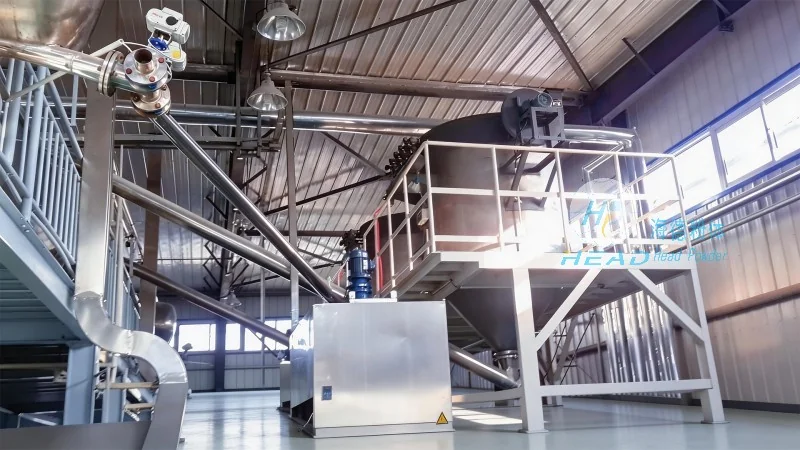
For example, in a typical setup, small bags are placed on a conveyor belt. Sensors detect the bags and trigger the next step in the process. The bags may then be transferred to a storage silo or a processing unit, where the material is extracted and used. The system may also include features like bag sealing and labeling, depending on the requirements of the end user. The automation of these processes significantly reduces the risk of human error and increases the overall throughput of the operation.
Key Features of Small Bag Material Handling Equipment
HeadPowder's small bag material handling equipment is characterized by several key features that set it apart from conventional solutions. One of the primary features is its high efficiency, which is achieved through the integration of advanced control systems and optimized conveyor designs. The equipment is designed to handle a wide range of bag sizes and materials, ensuring versatility and adaptability in different industrial settings.

Another important feature is the robustness and durability of the components. HeadPowder uses high-quality materials and precision manufacturing techniques to ensure that the equipment can withstand the rigors of continuous operation in industrial environments. This durability reduces maintenance costs and extends the service life of the system, providing long-term value to the end user.
Additionally, the equipment is equipped with user-friendly interfaces and monitoring systems. Operators can easily control and monitor the operation of the system, ensuring that any issues are detected and addressed promptly. The integration of sensors and feedback mechanisms enhances the system's responsiveness and reliability, minimizing the risk of material loss or equipment failure.
Application Scenarios and Benefits
Small bag material handling equipment is widely used in various applications, including the handling of powders, granules, and other bulk materials. In the chemical industry, for instance, such equipment is used to handle raw materials and finished products, ensuring a smooth flow from production to packaging. In the food and beverage industry, the equipment is used to manage ingredients and products, maintaining hygiene and efficiency throughout the process.
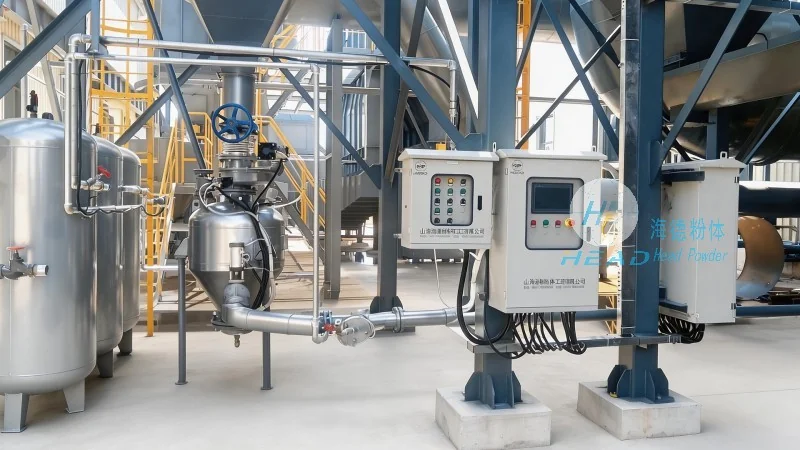
The benefits of using small bag material handling equipment are significant. By automating the material handling process, companies can reduce labor costs and improve productivity. The equipment also enhances safety by minimizing the need for manual handling of heavy or hazardous materials. Furthermore, the precision and consistency of the automated system ensure that the quality of the final product is maintained, leading to higher customer satisfaction and reduced waste.
Conclusion
Small bag material handling equipment, as exemplified by the solutions from Shandong HeadPowder Engineering Co., Ltd., represents a critical advancement in industrial material handling. By combining advanced technology with robust engineering, these systems provide efficient, reliable, and versatile solutions for the challenges associated with handling small bag materials. The working principle and key features of such equipment make it an essential component in modern industrial operations, contributing to increased productivity, reduced costs, and improved safety.