

[W]Working Principle and Features of Grain Silo Material Conveying Systems
Grain storage facilities rely on efficient material handling systems to ensure the smooth flow of bulk materials like grains, seeds, and other agricultural products. The grain silo material conveying line is a critical component in this process, designed to transport bulk materials from storage silos to processing units or storage areas. This article explores the working principle and key features of such systems, highlighting how they enhance operational efficiency and reliability in grain handling operations.
Working Principle of Grain Silo Material Conveying Lines
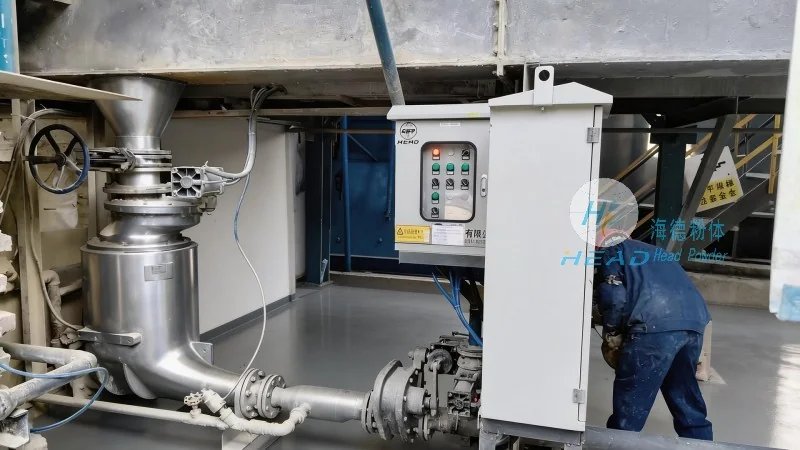
The grain silo material conveying line typically operates through a combination of mechanical components that work in sequence to move bulk materials. The process begins with the material being discharged from the silo, often via a bottom outlet or a rotary valve. From there, the material is fed into a conveyor system, which may include screw conveyors, belt conveyors, or pneumatic systems, depending on the specific design and requirements of the facility. The conveyor system then transports the material to the desired location, such as a processing plant, storage bin, or loading area. The entire system is usually controlled by a centralized control panel, allowing operators to monitor and adjust the flow rate, speed, and direction of the material movement as needed.
Key Features of Grain Silo Material Conveying Systems
Several key features distinguish high-quality grain silo material conveying lines, making them suitable for demanding agricultural and industrial applications. One of the most important features is the ability to handle a wide range of bulk materials, including grains, cereals, and other agricultural products, with minimal maintenance. The systems are designed to be durable and resistant to wear and tear, ensuring long-term reliability. Additionally, modern conveying lines often incorporate advanced control systems that allow for precise control over material flow, reducing the risk of overloading or underloading. Another notable feature is the integration of safety mechanisms, such as overload protection and emergency stop buttons, to ensure the safety of operators and equipment. The systems are also designed to be energy-efficient, minimizing operational costs while maintaining high performance.
Customization and Adaptability
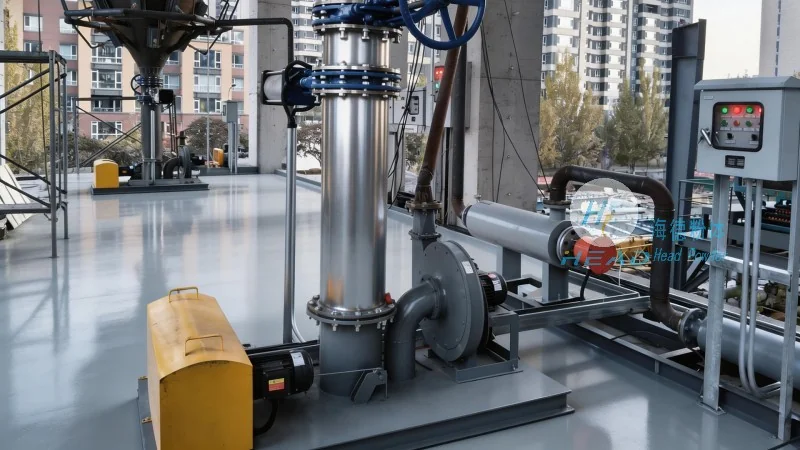
Grain silo material conveying lines are highly customizable to meet the specific needs of different facilities. Manufacturers, such as Shandong HeadPowder Engineering Co., Ltd., offer tailored solutions that can be adapted to various silo sizes, material types, and operational requirements. This adaptability ensures that the conveying system can be integrated seamlessly into existing infrastructure, minimizing disruption to current operations. The systems can also be equipped with additional features, such as material cleaning and drying components, to enhance the quality of the processed material. Customization options may include different conveyor types, control systems, and safety features, allowing clients to select the best configuration for their specific needs.
Operational Benefits and Efficiency
The implementation of a grain silo material conveying line offers numerous operational benefits, contributing to increased productivity and reduced downtime. By automating the material handling process, the system reduces the need for manual labor, minimizing the risk of human error and improving overall safety. The efficient flow of materials also reduces the time required for processing and storage, allowing facilities to handle larger volumes of grain. Additionally, the precise control over material movement helps to prevent material loss and waste, improving the overall efficiency of the operation. The systems are also designed to be easy to maintain, with accessible components and straightforward maintenance procedures, ensuring that the equipment remains in optimal condition for extended periods.
Reliability and Durability
Reliability is a critical factor in grain handling operations, and the grain silo material conveying line is engineered to provide consistent performance under demanding conditions. The components are constructed from high-quality materials, such as stainless steel and durable plastics, which are resistant to corrosion and wear. The systems are also designed with robust motors and drives that can handle high loads and continuous operation. Regular maintenance and proper operation are essential to ensure the longevity of the equipment, but the design of the conveying line minimizes the need for frequent repairs. The use of advanced materials and engineering techniques ensures that the system can withstand the harsh conditions often encountered in grain storage facilities, providing reliable service for years.
Environmental Considerations
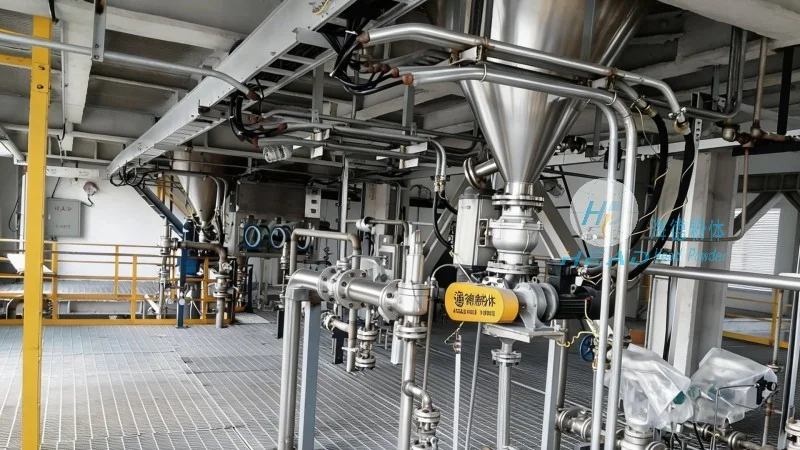
Modern grain silo material conveying lines are designed with environmental considerations in mind, reducing the impact on the surrounding environment. The systems are often equipped with dust control features, such as dust collection and filtration systems, to minimize the release of dust and particles into the air. This not only improves air quality but also protects the health and safety of operators and nearby communities. Additionally, the energy-efficient design of the conveying line reduces the overall carbon footprint of the operation, contributing to more sustainable grain handling practices. The use of recyclable materials in the construction of the system further enhances its environmental performance, aligning with the growing emphasis on sustainability in the agricultural industry.
Conclusion
Grain silo material conveying lines are essential components in modern grain storage and processing facilities, offering efficient and reliable solutions for handling bulk materials. The working principle of these systems involves a combination of mechanical components that work together to transport materials from silos to processing units. Key features include durability, adaptability, and advanced control systems, which enhance operational efficiency and safety. Customization options allow facilities to tailor the system to their specific needs, while operational benefits such as reduced labor and improved productivity contribute to overall cost savings. The reliability and environmental considerations of these systems make them a valuable investment for any grain handling operation. For businesses seeking high-quality conveying solutions, Shandong HeadPowder Engineering Co., Ltd. provides expertly designed and manufactured systems that meet the demands of the industry.