

Working Principle and Features of Flour Material Conveying Lines
Flour material conveying lines are essential equipment in the flour processing industry, designed to efficiently transport flour and related materials from one point to another within a production facility. Understanding the working principle and key features of these systems is crucial for optimizing production efficiency and ensuring product quality. This article will delve into the technical aspects of flour material conveying lines, highlighting how they operate and the advantages they offer in industrial applications.
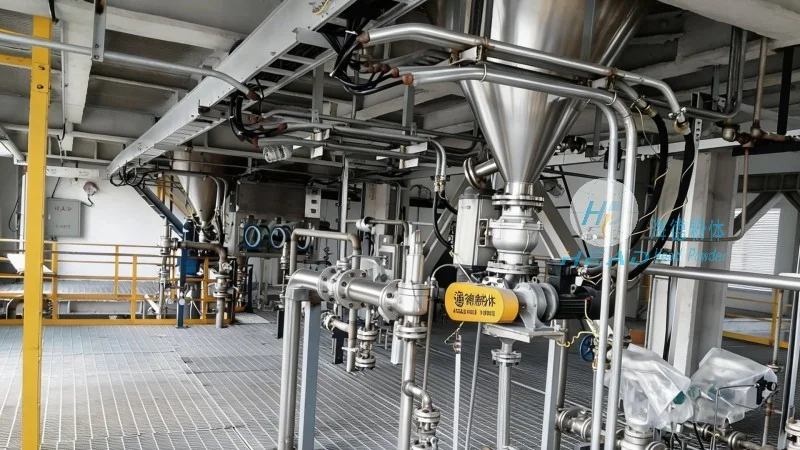
HeadPowder, a leading manufacturer based in Shandong, China, specializes in the design, manufacturing, and supply of high-quality flour processing equipment. With years of experience in the industry, the company has developed advanced conveying systems tailored to meet the specific needs of flour mills and food processing plants. The following sections will explore the fundamental working principle of flour material conveying lines and the distinctive features that set them apart in terms of performance, reliability, and adaptability.
The Working Principle of Flour Material Conveying Lines
The core working principle of flour material conveying lines revolves around the use of mechanical or pneumatic systems to move bulk materials, such as flour, through a series of components. Typically, these systems consist of a feed hopper, a conveyor mechanism (e.g., belt, screw, or pneumatic), and a discharge outlet. The process begins with the material being fed into the hopper, where it is then transferred to the conveyor. Depending on the type of conveyor, the material may be transported via a rotating screw (screw conveyor), a moving belt (belt conveyor), or an air stream (pneumatic conveyor). Each component plays a critical role in ensuring smooth and continuous material flow, minimizing product degradation and maintaining consistent quality.
In a typical flour material conveying line, the feed hopper is designed to store and regulate the flow of raw materials. It often includes a gate or valve mechanism to control the amount of material entering the conveyor, preventing overloading and ensuring steady operation. The conveyor mechanism then transports the flour through the system, with the speed and direction of movement being precisely controlled to match production requirements. For example, a screw conveyor uses rotating screws to push the material forward, while a belt conveyor relies on a moving belt that carries the flour along its path. Pneumatic conveyors, on the other hand, use compressed air to create a flow of material through a pipeline, which is particularly effective for handling fine powders like flour without causing dust or contamination.
The discharge outlet at the end of the conveying line is responsible for releasing the material into the next stage of processing or storage. It is typically equipped with a control valve to regulate the discharge rate, ensuring that the material is delivered at the required flow rate. Some systems may also include a dust collection system to capture any airborne particles, maintaining a clean and safe working environment. Overall, the working principle of flour material conveying lines is centered on the efficient and controlled movement of bulk materials, leveraging mechanical or pneumatic forces to achieve seamless operation.
Key Features of Flour Material Conveying Lines
Flour material conveying lines from HeadPowder are characterized by several key features that enhance their performance and usability in industrial settings. These features are designed to address the unique challenges of handling fine, powdery materials like flour, ensuring that the conveying process is both efficient and gentle on the product.
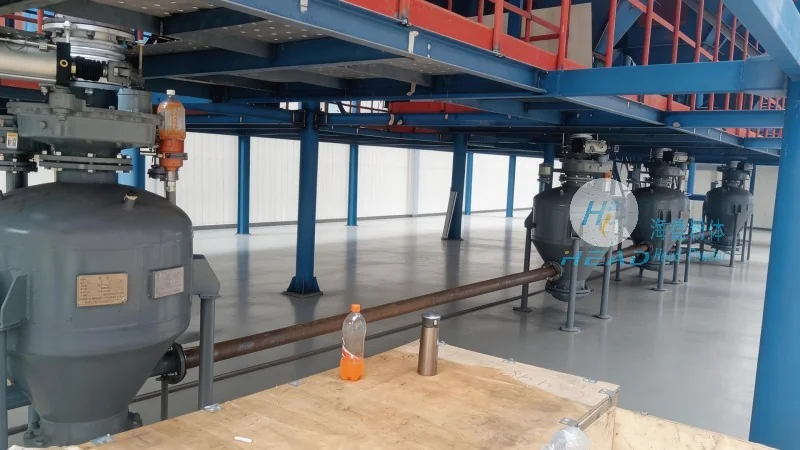
Firstly, the systems are constructed with materials that are resistant to corrosion and wear, such as stainless steel or high-grade alloys. This is crucial for flour processing, as the equipment is exposed to moisture and fine particles that can cause degradation over time. The use of durable materials ensures long-term reliability and reduces maintenance costs, making the conveying lines a cost-effective investment for flour mills.
Secondly, the conveying lines are equipped with advanced control systems that allow for precise regulation of the material flow. These systems may include variable speed drives, sensors, and automated controls that adjust the conveyor speed based on the feed rate or system conditions. This feature helps maintain consistent product quality by preventing overloading or underloading of the conveyor, which can lead to product degradation or equipment damage.
Thirdly, the design of the conveying lines emphasizes minimal product contact and contamination. For instance, the use of smooth, non-stick surfaces in the hopper and conveyor reduces the risk of flour sticking to the equipment, which can affect product quality and increase cleaning time. Additionally, the systems may include features such as air filtration or dust collection to maintain a clean environment and prevent cross-contamination between different batches of flour.
Fourthly, the flexibility of the conveying lines is a significant advantage, as they can be customized to suit various production requirements. HeadPowder offers a range of conveyor types, including screw, belt, and pneumatic conveyors, allowing customers to choose the most suitable option based on their specific needs. The systems can also be integrated with other processing equipment, such as mixers or storage silos, to create a seamless production line. This adaptability makes the flour material conveying lines versatile and suitable for a wide range of applications in the flour processing industry.
Benefits of Using Flour Material Conveying Lines from HeadPowder
Implementing flour material conveying lines from HeadPowder offers numerous benefits for flour mills and food processing plants. These systems are designed to enhance operational efficiency, improve product quality, and reduce maintenance costs, making them a valuable addition to any production facility.

One of the primary benefits is the improvement in production efficiency. By automating the material handling process, the conveying lines reduce the need for manual labor, allowing workers to focus on other critical tasks. The systems also ensure consistent and continuous material flow, minimizing downtime and increasing overall throughput. This results in higher productivity and better utilization of resources, which is essential for maintaining competitiveness in the flour market.
Another significant benefit is the enhancement of product quality. The gentle handling of flour by the conveying lines minimizes product degradation, such as clumping or moisture absorption, which can affect the final product's texture and taste. The use of clean, dust-free systems also prevents contamination, ensuring that the flour meets the highest quality standards. This is particularly important for flour used in food products, where quality and safety are paramount.
Furthermore, the cost-effectiveness of the conveying lines is a major advantage. The durable construction and advanced control systems reduce maintenance and replacement costs over the equipment's lifespan. The systems are also energy-efficient, with optimized designs that minimize power consumption. This not only reduces operational costs but also contributes to environmental sustainability by lowering the carbon footprint of the production process.
Finally, the reliability and durability of the conveying lines from HeadPowder ensure long-term operation with minimal downtime. The company's commitment to quality and customer satisfaction is reflected in the robust design and rigorous testing of their equipment. This reliability allows flour mills to maintain consistent production schedules and meet customer demands without interruptions. Overall, the flour material conveying lines from HeadPowder provide a comprehensive solution for efficient and reliable flour processing, supporting the success of businesses in the industry.
Conclusion
Flour material conveying lines are critical components of modern flour processing facilities, enabling efficient and reliable transportation of bulk materials. The working principle of these systems, which involves mechanical or pneumatic conveyance, ensures smooth and controlled movement of flour and related materials. HeadPowder, with its expertise and advanced technology, offers high-quality conveying lines that are characterized by durability, precision control, and minimal product contamination. The key features of these systems, including corrosion-resistant materials, advanced control systems, and flexible designs, make them suitable for various industrial applications. The benefits of using these conveying lines include improved production efficiency, enhanced product quality, reduced costs, and increased reliability. For flour mills and food processing plants, investing in a reliable flour material conveying line from HeadPowder is a strategic decision that supports long-term success and competitiveness in the industry.