

Working Principle and Features of Wheat Starch Material Conveying Lines
Wheat starch is a vital component in the food and industrial sectors, and efficient material handling is critical for maintaining production efficiency and product quality. The wheat starch material conveying line is a specialized system engineered to transport wheat starch and related raw materials with precision and reliability. Such systems are commonly provided by manufacturers like Shandong HeadPowder Engineering Co., Ltd., a leading company in the field of powder processing equipment.
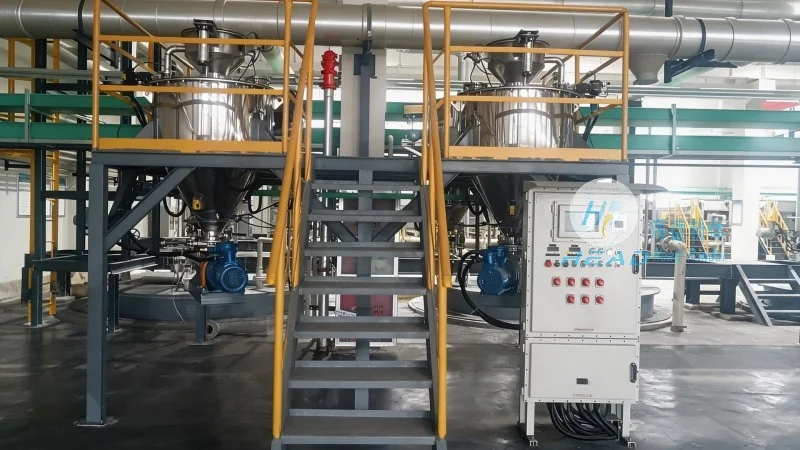
Introduction to Wheat Starch Material Conveying Lines
Wheat starch material conveying lines are designed to handle the unique properties of wheat starch, including its fine particle size, hygroscopic nature, and potential for dust generation. These systems are typically integrated into larger processing plants, such as starch production facilities, food processing plants, or industrial manufacturing sites. The primary goal of these conveying lines is to move wheat starch and other materials from storage to processing units, or between different stages of production, with minimal loss and maximum efficiency.
Working Principle of the Conveying System
The core of a wheat starch material conveying line is its mechanical and pneumatic components, which work in tandem to transport materials. The system typically begins with a hopper or storage silo where raw wheat starch is stored. From there, the material is fed into a conveyor system, which may include screw conveyors, belt conveyors, or pneumatic conveying lines. Screw conveyors use rotating screws to push material forward, while belt conveyors utilize moving belts to transport bulk materials. Pneumatic conveying systems, on the other hand, use air pressure to suspend and transport particles through a pipeline.
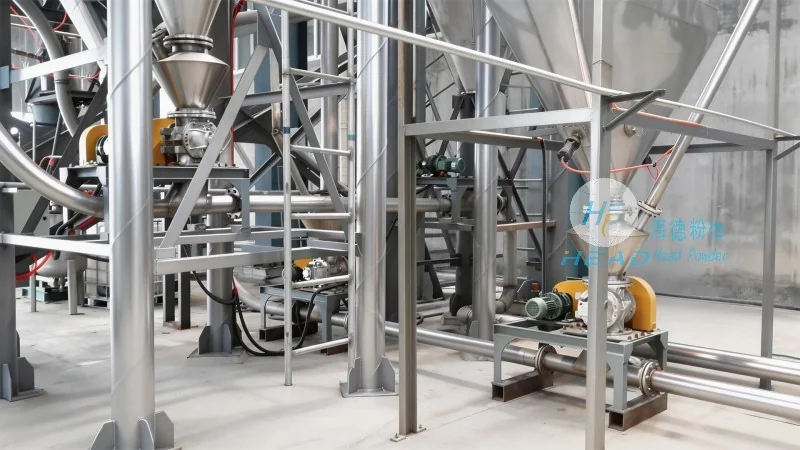
In the case of wheat starch, pneumatic conveying is often preferred due to its ability to handle fine powders and minimize product degradation. The system operates by creating a pressure differential between the intake and discharge points. Air is drawn into the system, and the wheat starch particles are entrained in the air stream, moving through the pipeline to the desired destination. This method reduces friction and prevents material buildup, which is critical for maintaining product quality and preventing contamination.
Key Features and Advantages
Several key features distinguish high-quality wheat starch material conveying lines. Firstly, they are designed for low maintenance and durability, as they are exposed to abrasive materials and continuous operation. The components, such as screws, belts, and pipelines, are made from corrosion-resistant materials like stainless steel to withstand the acidic and moisture-rich environment of starch processing. Secondly, these systems are equipped with advanced control systems that allow for precise flow regulation and monitoring. This ensures consistent material delivery and prevents overloading or underloading of processing equipment.
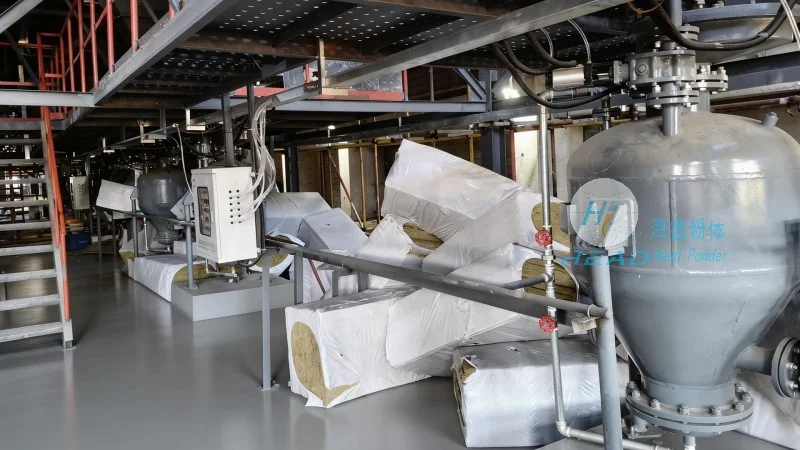
Another important feature is the integration of dust control mechanisms. Wheat starch is a fine powder that can easily create dust, which poses health and safety risks. Modern conveying lines incorporate dust collection systems, such as cyclones or bag filters, to capture and remove airborne particles. This not only protects workers but also maintains a clean and safe working environment. Additionally, the systems are designed for easy cleaning and sanitation, which is essential for food processing applications where hygiene standards are strictly enforced.
Technical Specifications and Application Scenarios
The technical specifications of a wheat starch material conveying line vary based on the production capacity and specific requirements of the facility. Common specifications include conveyor capacity (measured in tons per hour), pipeline diameter, and air pressure requirements. For example, a small-scale processing plant might use a conveying line with a capacity of 5-10 tons per hour, while a large industrial facility could require a system with a capacity of 50-100 tons per hour or more.
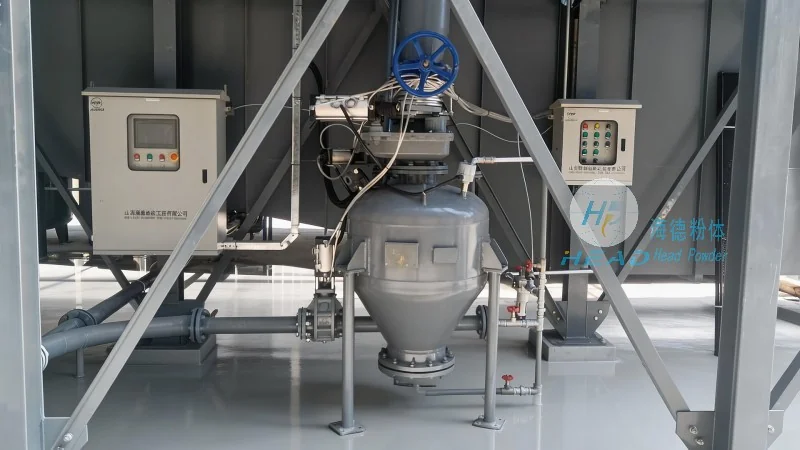
These conveying lines are widely used in various applications, including the production of wheat starch for food products, industrial adhesives, or animal feed. They are also used in the processing of other fine powders, such as corn starch or soybean protein, due to their similar handling characteristics. The flexibility of these systems allows them to be adapted to different production stages, from raw material storage to finished product packaging.
Conclusion
In conclusion, wheat starch material conveying lines are essential components of modern processing facilities, ensuring efficient and safe transportation of wheat starch and related materials. By understanding the working principle and key features of these systems, manufacturers can optimize their production processes, improve product quality, and enhance overall operational efficiency. The advanced technology and design of these conveying lines make them a reliable choice for industries that require precise and consistent material handling. As a leading manufacturer, Shandong HeadPowder Engineering Co., Ltd. provides high-quality conveying lines tailored to meet the specific needs of clients in China and beyond.