

Working Principle and Features of Cement Clinker Material Conveying Lines
For industrial applications, especially in the cement production sector, efficient material handling is crucial. The cement clinker material conveying line is a specialized system designed to transport clinker, a key component in cement manufacturing, from production sites to storage or further processing facilities. This article explores the working principle and key features of such systems, providing insights into their design and operational efficiency.
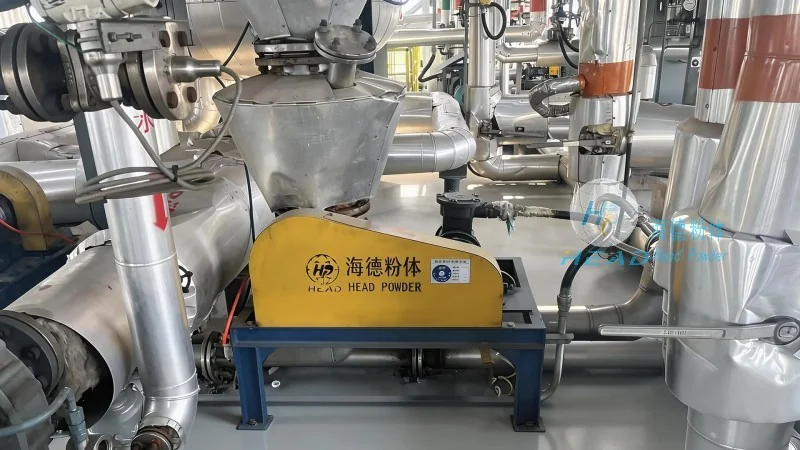
Company Overview: Shandong HeadPowder Engineering Co., Ltd.
As a leading engineering firm in China, Shandong HeadPowder Engineering Co., Ltd. specializes in the design, manufacturing, and installation of industrial material handling solutions. With a focus on precision and reliability, the company has established itself as a trusted partner for clients seeking advanced conveying systems. HeadPowder’s expertise spans various industries, including cement, mining, and construction, ensuring tailored solutions that meet specific operational requirements. The company’s headquarters is located in Shandong, China, where it maintains a state-of-the-art facility for research, development, and production.
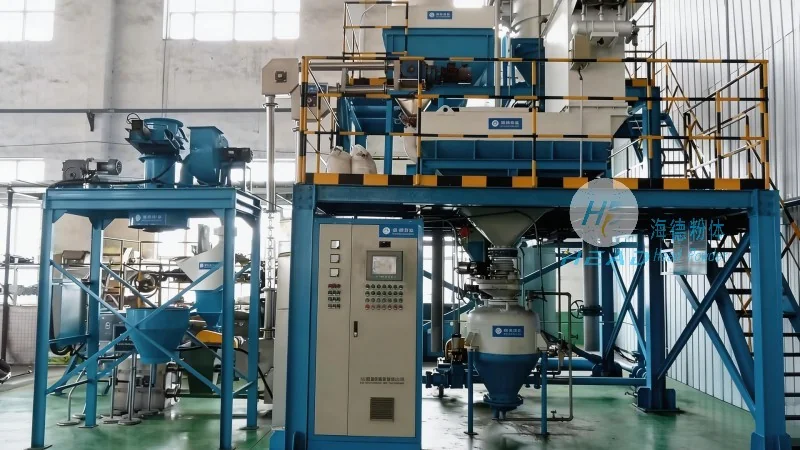
Working Principle of Cement Clinker Material Conveying Lines
The core of a cement clinker material conveying line is its ability to move bulk materials over long distances with minimal downtime and maximum efficiency. The system typically consists of several components, including feeders, conveyors (such as belt conveyors or screw conveyors), and control systems. The process begins with the clinker being discharged from the clinker cooler or storage silo into a feeder. The feeder regulates the flow of clinker, ensuring a consistent and controlled feed rate to the conveyor. The conveyor then transports the clinker to the next stage of processing or storage. Advanced systems may incorporate variable speed drives, which allow for adjustments based on production rates, optimizing energy consumption and reducing wear on components. Additionally, the system may include safety features such as emergency stop buttons and overload protection to ensure safe operation. The entire process is monitored by a control panel, which provides real-time data on flow rates, temperature, and system status, enabling operators to make informed decisions and maintain optimal performance.
Key Features of Cement Clinker Material Conveying Lines
Efficiency and reliability are paramount in cement production, and the features of a clinker material conveying line directly impact these aspects. One of the primary features is the use of high-capacity conveyor systems, which can handle large volumes of clinker with minimal maintenance. For example, belt conveyors are widely used due to their ability to transport materials over long distances without the need for intermediate supports. The design of the conveyor belt, including the type of rubber and the tension system, is critical to prevent slippage and ensure smooth operation. Another key feature is the integration of automation and control systems. Modern conveying lines are equipped with programmable logic controllers (PLCs) and sensors that monitor the system’s performance and adjust parameters as needed. This automation reduces the need for manual intervention, improving operational efficiency and reducing labor costs. Additionally, the system may include dust suppression mechanisms, such as water sprayers or closed-loop systems, to minimize dust emissions and comply with environmental regulations. The materials used in the construction of the conveying line, such as stainless steel or corrosion-resistant alloys, are chosen to withstand the harsh conditions of cement production, including high temperatures and abrasive materials. This durability ensures a long service life and reduces the need for frequent replacements, contributing to overall cost savings.
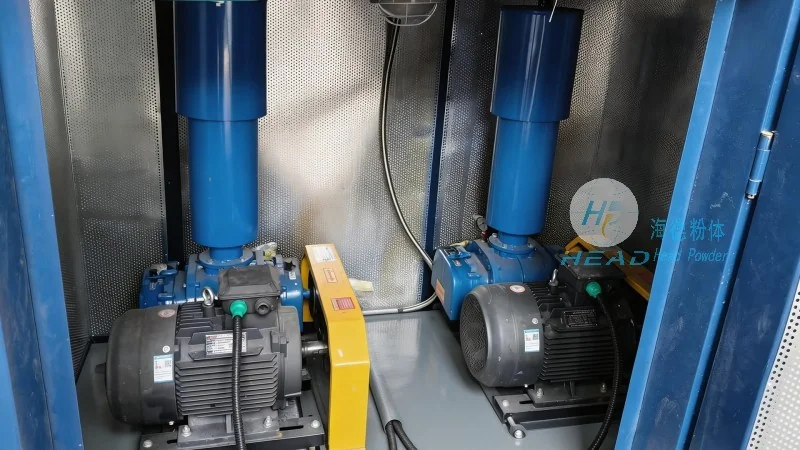
Applications and Benefits
Cement clinker material conveying lines are essential in various stages of cement production, from the clinker cooler to the storage silo and beyond. Their primary function is to ensure a continuous and reliable supply of clinker to the grinding and packaging processes. The benefits of using such systems extend beyond just material transport. By reducing downtime and improving throughput, the conveying line enhances overall plant productivity. The automation and control features also contribute to improved safety, as operators can monitor the system remotely and respond to any issues promptly. Furthermore, the energy-efficient design of modern conveying lines helps reduce operational costs, making them a cost-effective solution for cement manufacturers. The durability of the components ensures that the system can operate continuously for extended periods, minimizing maintenance interruptions and maximizing uptime. In summary, the cement clinker material conveying line is a critical component of cement production, providing efficient, reliable, and cost-effective material handling solutions.