

Working Principle and Features of PVC Material Handling System Equipment
The PVC material handling system equipment, as offered by Shandong HeadPowder Engineering Co., Ltd., is a specialized solution designed to efficiently transport and manage PVC materials in industrial settings. This equipment plays a crucial role in optimizing material flow, enhancing operational efficiency, and ensuring safety in various manufacturing and processing environments. The system is engineered to handle the unique properties of PVC, such as its flexibility, durability, and chemical resistance, making it suitable for a wide range of applications.
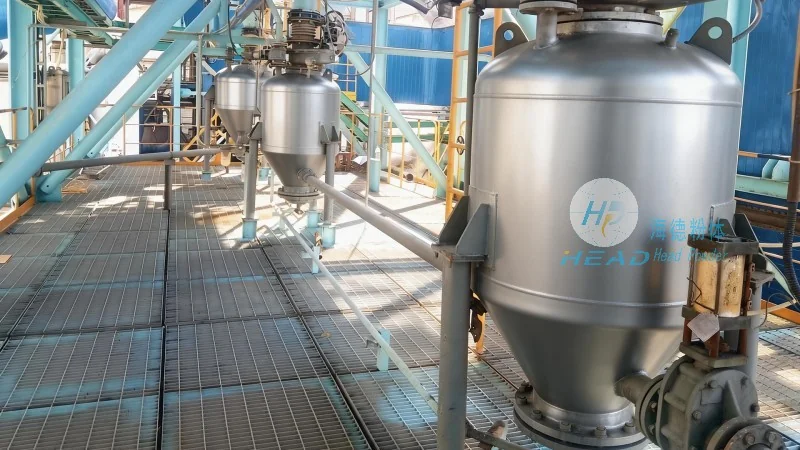
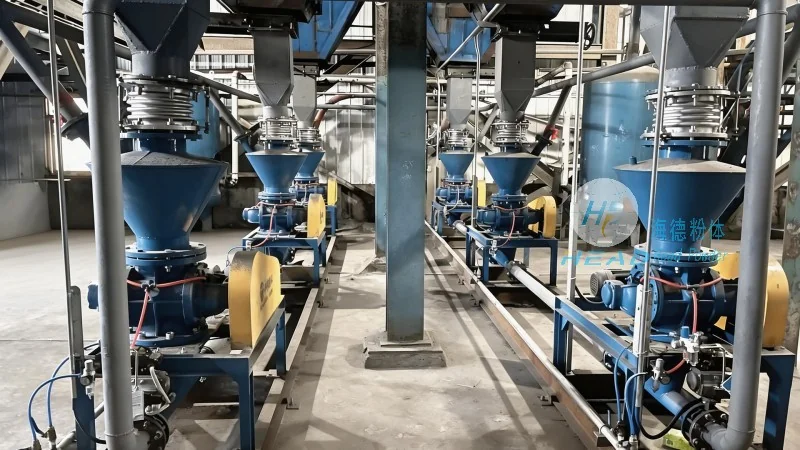
Working Principle of the PVC Material Handling System
The core working principle of the PVC material handling system involves a combination of mechanical components and control mechanisms that work in tandem to move PVC materials from one location to another. The system typically includes conveyors, hoists, and control panels, each contributing to the overall functionality. The conveyors, often equipped with specialized belts or rollers, are designed to handle the weight and dimensions of PVC materials. The hoists, which may be manual or motorized, allow for vertical movement of the materials, enabling them to be elevated or lowered as needed. The control panels provide operators with the ability to monitor and adjust the system's operations, ensuring precise control over the material handling process. The integration of these components allows for a seamless and continuous flow of PVC materials, reducing downtime and increasing productivity.
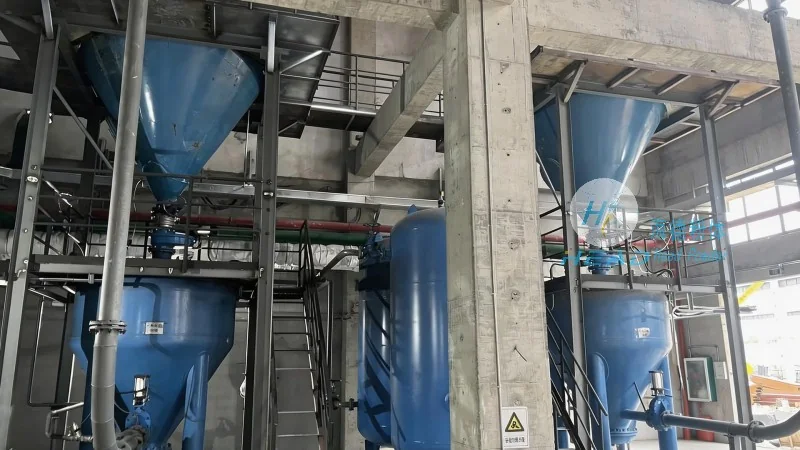
Key Features of the PVC Material Handling System
Shandong HeadPowder Engineering Co., Ltd.'s PVC material handling system is equipped with several key features that enhance its performance and usability. One of the primary features is the adjustable speed control, which allows operators to modify the conveyor speed based on the specific requirements of the material being handled. This flexibility ensures that the system can accommodate different material sizes and weights without compromising efficiency. Another notable feature is the robust construction, which is built to withstand the rigors of industrial use. The system is constructed from high-quality materials that are resistant to wear and tear, ensuring long-term durability and reliability. Additionally, the system includes safety features such as emergency stop buttons and overload protection, which help to prevent accidents and protect both the equipment and the operators. The user-friendly interface of the control panel makes it easy for operators to operate the system, even with minimal training. These features collectively contribute to the system's effectiveness in handling PVC materials and improving overall operational performance.
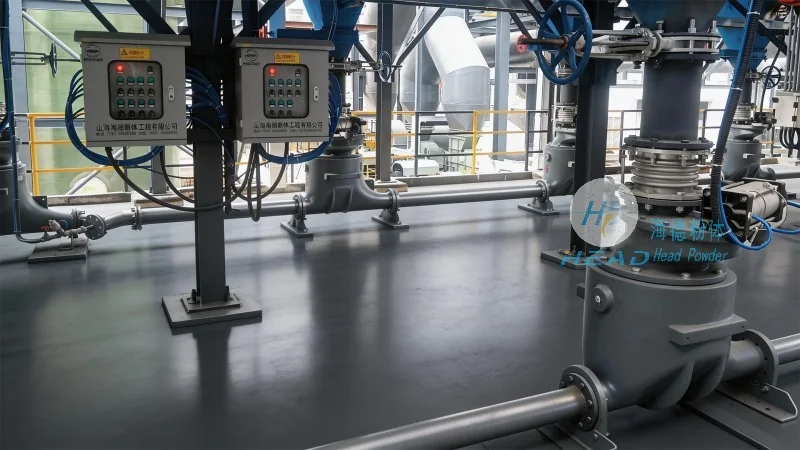
Applications and Benefits
The PVC material handling system is widely used in various industries, including construction, manufacturing, and packaging. In the construction industry, it is used to transport PVC pipes and fittings to different parts of a building site. In manufacturing, it is employed to move PVC pellets and granules between processing stages. The system's ability to handle different forms of PVC materials makes it versatile and adaptable to various production needs. The benefits of using this system include increased productivity, reduced labor costs, and improved safety. By automating the material handling process, the system minimizes the need for manual labor, which not only saves time but also reduces the risk of injuries. The system's efficiency also leads to lower energy consumption and reduced operational costs. Furthermore, the system's reliability ensures consistent performance, which is essential for maintaining production schedules and meeting customer demands.