

Working Principle and Features of Small Bag Quantitative Weighing Powder Pneumatic Conveying
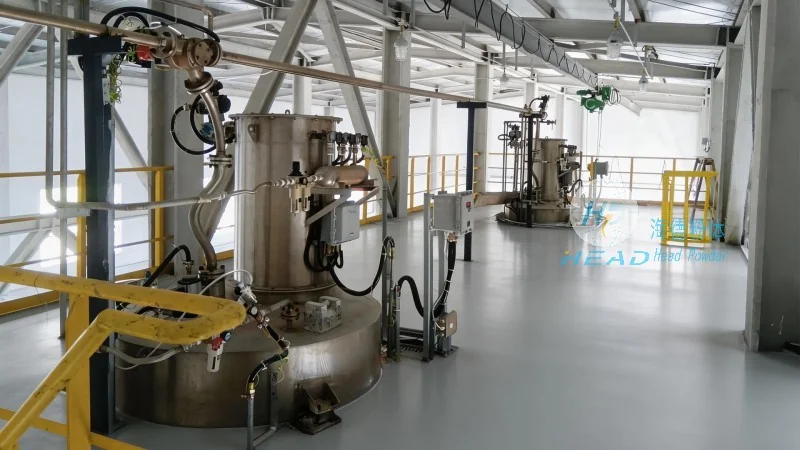
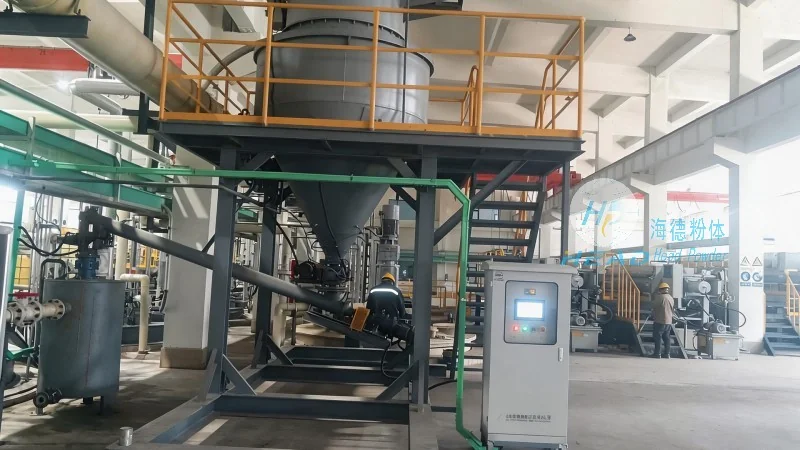
HeadPowder, a leading provider in the field, specializes in advanced powder handling solutions. This article delves into the working principle and key features of small bag quantitative weighing powder pneumatic conveying systems, offering insights into their operational mechanics and practical applications.
About HeadPowder
HeadPowder, operating under the full name Shandong HeadPowder Engineering Co., Ltd., is headquartered in Shandong, China. The company is dedicated to developing and manufacturing innovative powder handling technologies, ensuring high efficiency and reliability in material transport for various industrial sectors.
Working Principle of Small Bag Quantitative Weighing Powder Pneumatic Conveying
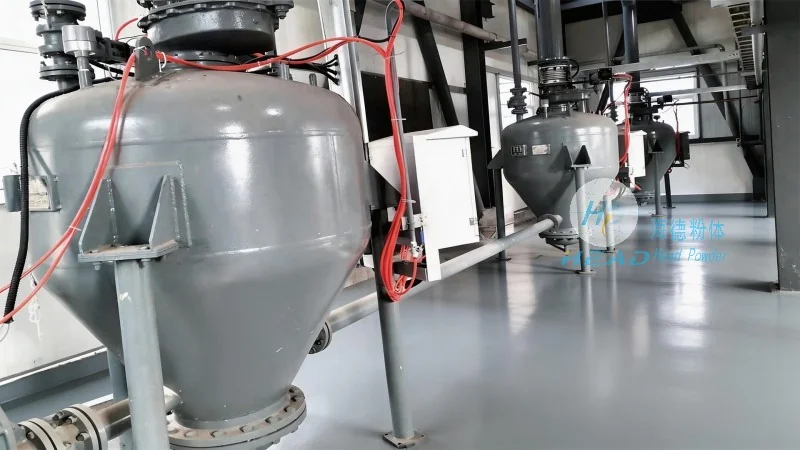
The system operates by integrating precise weighing mechanisms with pneumatic conveying technology. Small bags of powder are first loaded into the system, where they undergo a quantitative weighing process. Once the target weight is achieved, the powder is released into the pneumatic conveying line. The conveying process utilizes compressed air to transport the powder through a network of pipes, ensuring efficient and controlled movement from the weighing station to the destination point. This integration of weighing and pneumatic transport allows for accurate dosing and consistent material flow, minimizing waste and optimizing production efficiency.
Key Features and Advantages
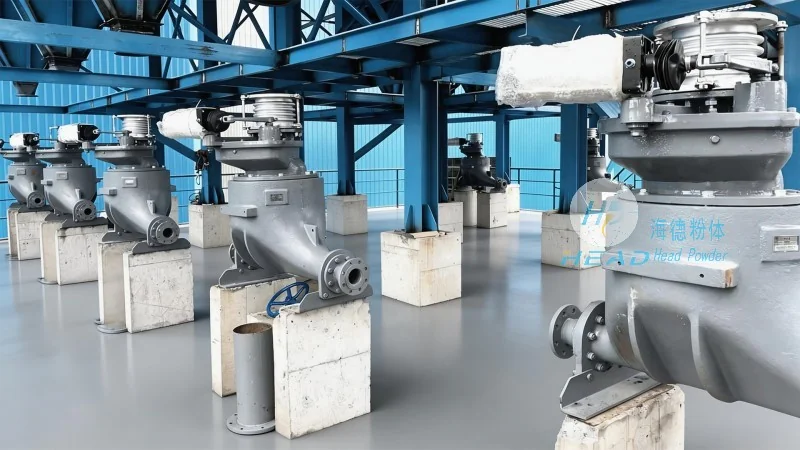
Small bag quantitative weighing powder pneumatic conveying systems offer several distinct advantages that enhance operational performance. Firstly, the quantitative weighing feature ensures that each batch of powder is delivered with precise weight, which is crucial for applications requiring exact dosage, such as pharmaceuticals, food processing, and chemical manufacturing. Secondly, the pneumatic conveying aspect provides a dust-free and hygienic environment, reducing the risk of contamination and improving workplace safety. Additionally, the system's compact design and flexible piping allow for easy integration into existing production lines, making it suitable for both new installations and retrofit applications. The automated nature of the process also minimizes human intervention, reducing labor costs and enhancing overall operational consistency.