

Working Principle and Characteristics of Dry Lime Powder Pneumatic Conveying
For industrial applications involving the transport of dry lime powder, pneumatic conveying systems offer an efficient and reliable solution. This article explores the working principle and key characteristics of such systems, highlighting their advantages in material handling and process optimization.
Understanding Pneumatic Conveying for Dry Lime Powder
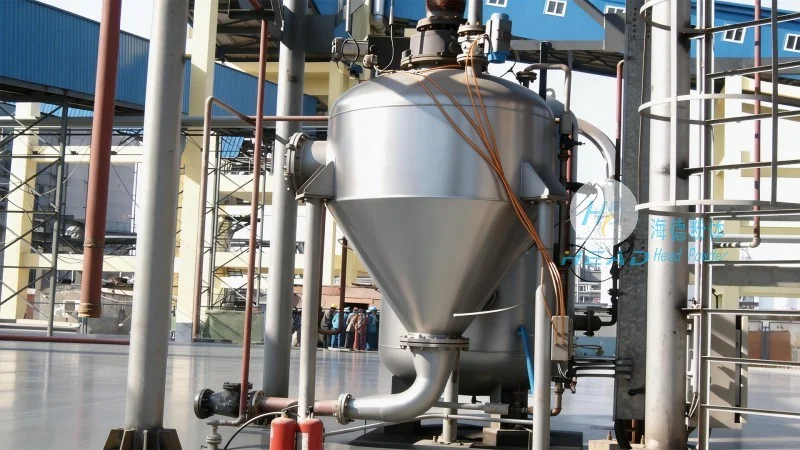
Pneumatic conveying systems are designed to transport dry bulk materials like lime powder through a pipeline using air or gas as the conveying medium. The process involves creating a pressure differential or using vacuum to move the material from the source to the destination. This method is particularly suitable for dry lime powder due to its fine particle size and the need for dust-free handling in many industrial processes.
The Working Principle of Dry Lime Powder Pneumatic Conveying
The core working principle of dry lime powder pneumatic conveying systems revolves around the interaction between the material and the conveying air. The system typically consists of a hopper, a feeder, a conveying line, and a receiver. The process begins when the dry lime powder is fed into the system from the hopper. The feeder then introduces the material into the conveying line at a controlled rate. Simultaneously, a fan or blower generates airflow within the pipeline, creating a pressure or vacuum that propels the powder forward.
As the powder travels through the pipeline, it is suspended in the air stream, which allows it to be transported over long distances without the need for mechanical components like belts or buckets. The velocity of the air is crucial; it must be sufficient to keep the powder particles in suspension but not so high as to cause excessive wear on the system components or energy waste. The system may include features such as cyclones or filters to separate the powder from the air at the receiving end, ensuring that the material is deposited accurately and the air is cleaned before release.

Key Characteristics and Advantages of Dry Lime Powder Pneumatic Conveying
Dry lime powder pneumatic conveying systems exhibit several distinct characteristics that make them ideal for industrial applications. One of the primary advantages is the ability to handle fine, dusty materials without the need for additional equipment like hoppers or chutes that might cause blockages or contamination. The enclosed system also minimizes dust emissions, which is critical for maintaining a safe and clean working environment, especially in facilities where air quality is a concern.
Another key characteristic is the flexibility in system design. Pneumatic conveying systems can be configured for both pressure and vacuum operation, allowing for a wide range of applications from short-distance transport to long-distance pipelines. The system can be tailored to handle varying material flow rates and particle sizes, making it adaptable to different production needs. Additionally, the absence of moving parts in the conveying line reduces maintenance requirements and extends the operational life of the equipment, contributing to lower long-term costs.
Efficiency is another significant characteristic. By using air as the conveying medium, the system can transport dry lime powder with minimal energy consumption compared to mechanical systems that rely on motors and belts. The enclosed nature of the system also prevents material loss and contamination, ensuring consistent product quality throughout the transport process. This is particularly important in industries where the purity of the lime powder is critical, such as in chemical manufacturing or environmental applications where the material is used for flue gas desulfurization.
Applications and Industrial Use Cases
Dry lime powder pneumatic conveying systems are widely used in various industrial sectors due to their versatility and efficiency. In the chemical industry, these systems are employed to transport lime powder for processes like neutralization and pH adjustment. In environmental applications, they play a crucial role in flue gas desulfurization systems, where lime is used to remove sulfur dioxide from exhaust gases. The ability to handle large volumes of material over long distances makes the system suitable for power plants and industrial facilities that require continuous material supply.
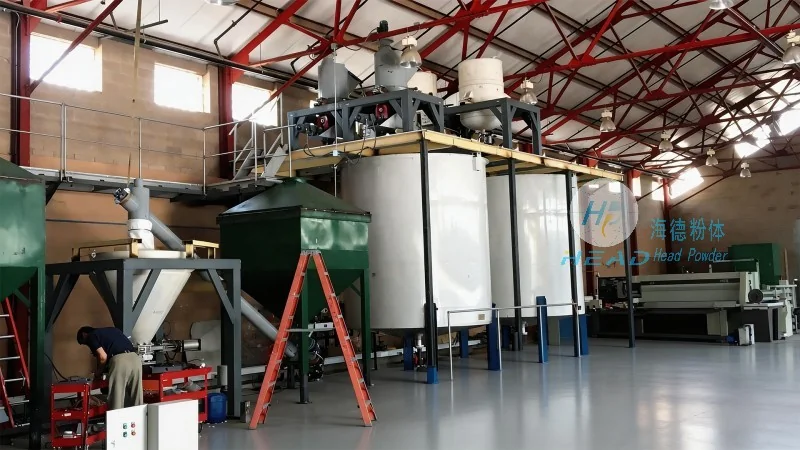
In the food and pharmaceutical industries, pneumatic conveying is used to transport dry lime powder in a controlled, sterile environment, ensuring that the material remains free from contamination and maintains its quality. The system's ability to handle fine particles without agglomeration is particularly valuable in these sectors, where product consistency is paramount.
Conclusion and Company Overview
Dry lime powder pneumatic conveying systems represent a sophisticated solution for the efficient and safe transport of fine bulk materials. By leveraging the principles of pneumatic transport, these systems offer advantages such as enclosed handling, reduced dust emissions, and low maintenance requirements. The working principle, which involves controlled airflow and material suspension, ensures reliable performance across various industrial applications.
Shandong HeadPowder Engineering Co., Ltd., a leading provider of bulk material handling solutions, specializes in designing and manufacturing pneumatic conveying systems tailored to the needs of industries handling dry lime powder. With a focus on innovation and quality, the company ensures that its systems meet the highest standards of efficiency and safety. Headquartered in Shandong, China, HeadPowder has established itself as a trusted partner for businesses seeking reliable solutions for their material transport challenges.