

Working Principle and Features of Cement Clinker Powder Pneumatic Conveying System
For industrial applications involving the transport of cement clinker powder, the pneumatic conveying system has emerged as a highly efficient and reliable solution. This article provides an in-depth exploration of the working principle and key features of such systems, highlighting their advantages in material handling and process optimization.
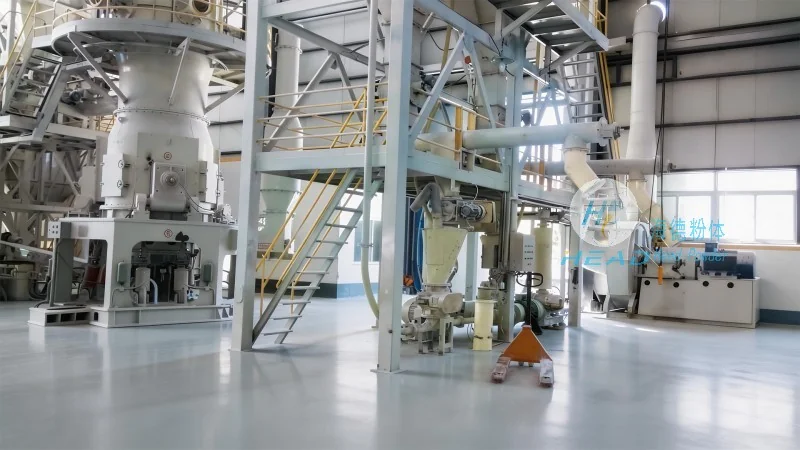
Working Principle of the Cement Clinker Powder Pneumatic Conveying System
The core mechanism of a cement clinker powder pneumatic conveying system relies on the use of compressed air to transport bulk powder materials. The system typically consists of a hopper, a conveying line, a control valve, and a receiver. When the system is activated, compressed air is introduced into the hopper, creating a pressure differential that lifts the clinker powder and propels it through the pipeline. The air-powder mixture travels through the conveying line, where the powder is separated from the air in the receiver through a cyclone or other separation device. This process ensures that the clinker powder is transported efficiently without the need for mechanical components like belts or buckets, reducing maintenance requirements and operational costs.
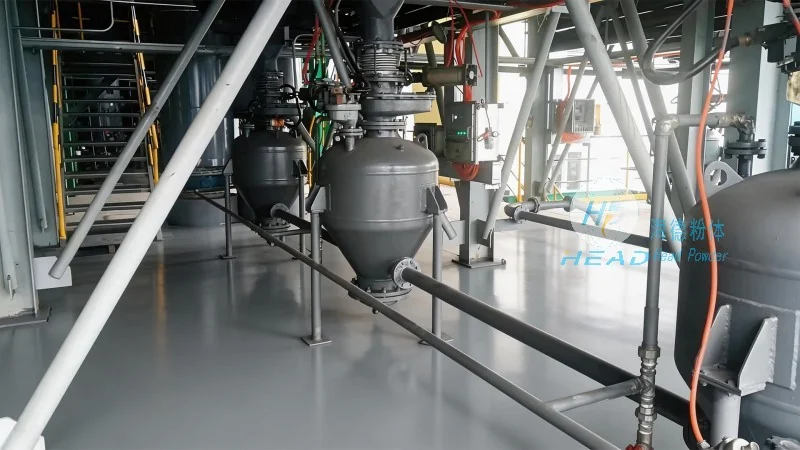
Key Features and Advantages of the System
One of the primary advantages of the cement clinker powder pneumatic conveying system is its ability to handle fine and abrasive materials like cement clinker without causing wear and tear on the equipment. The system is also highly flexible, allowing for changes in the conveying route and capacity without major modifications. Additionally, it offers a dust-free operation environment, which is crucial for maintaining workplace safety and compliance with environmental regulations. The system's self-cleaning capability, particularly in the pipeline, minimizes the risk of material buildup and blockages, ensuring consistent performance over time.
Technical Specifications and Application Scenarios
The technical specifications of a cement clinker powder pneumatic conveying system vary based on the specific requirements of the application. Common specifications include conveying capacities ranging from a few hundred kilograms per hour to several tons per hour, depending on the pipeline length and diameter. The system can be designed for both low and high-pressure operations, with low-pressure systems being more suitable for shorter distances and lower material loads, while high-pressure systems are ideal for longer distances and higher throughput. Typical applications include the transport of clinker from storage silos to grinding mills, or from production lines to packaging facilities in cement manufacturing plants. The system's adaptability makes it suitable for various industrial settings where efficient and safe powder handling is essential.
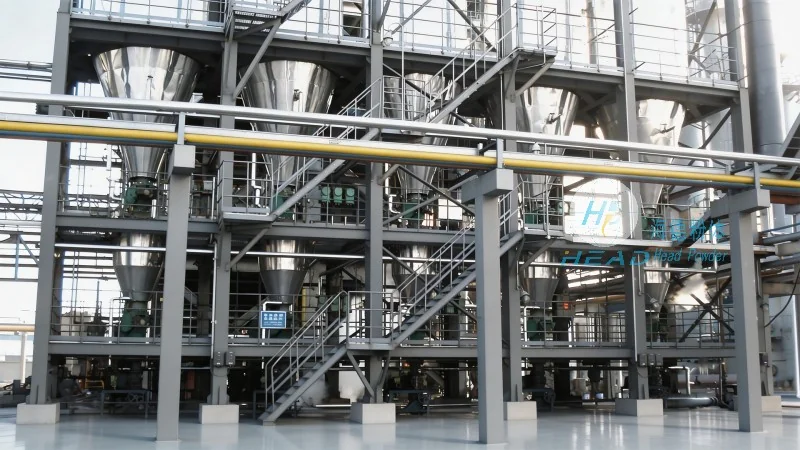
Company Profile and Service Commitment
Shandong HeadPowder Engineering Co., Ltd., a leading provider of industrial material handling solutions, specializes in the design, manufacturing, and installation of cement clinker powder pneumatic conveying systems. With a strong focus on innovation and customer satisfaction, HeadPowder has established itself as a trusted partner in the cement and related industries. The company's team of experienced engineers and technicians ensures that each system is tailored to meet the unique needs of clients, providing customized solutions that enhance operational efficiency and reduce costs. HeadPowder's commitment to quality and reliability is reflected in its adherence to international standards and rigorous testing protocols, ensuring that every system delivered meets the highest performance and safety requirements. The company's headquarters is located in Shandong, China, where it continues to develop and refine its products to meet the evolving demands of the industry.