

Working Principle and Features of Dry Pebble Powder Pneumatic Conveying Equipment
For industrial applications requiring the efficient and reliable transport of dry pebble powders, the pneumatic conveying system has emerged as a critical solution. This equipment, manufactured by Shandong HeadPowder Engineering Co., Ltd., a leading provider in the field, offers advanced technology tailored to handle the unique challenges of transporting pebble powders. Understanding its working principle and key features is essential for optimizing material handling processes in various industries.
Company Overview
HeadPowder, the brand under Shandong HeadPowder Engineering Co., Ltd., specializes in the design, manufacturing, and supply of pneumatic conveying equipment. With a focus on innovation and quality, the company has established itself as a trusted partner for businesses seeking efficient material transport solutions. Headquartered in Shandong, China, HeadPowder leverages decades of industry experience to deliver products that meet the highest standards of performance and durability.
Working Principle of the Dry Pebble Powder Pneumatic Conveying System
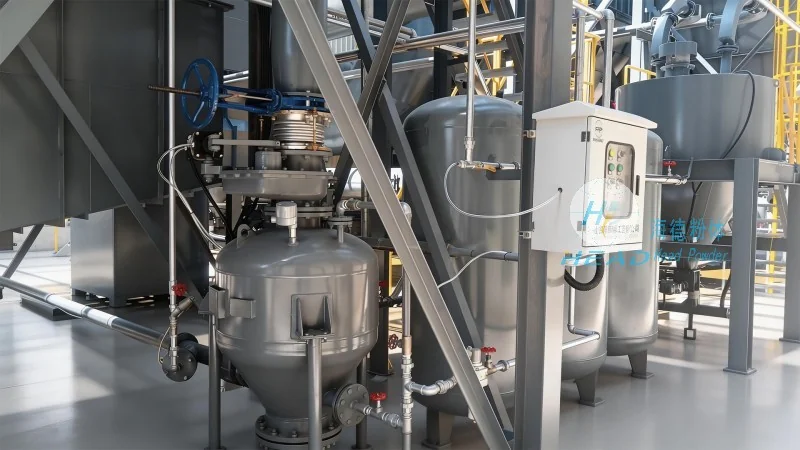
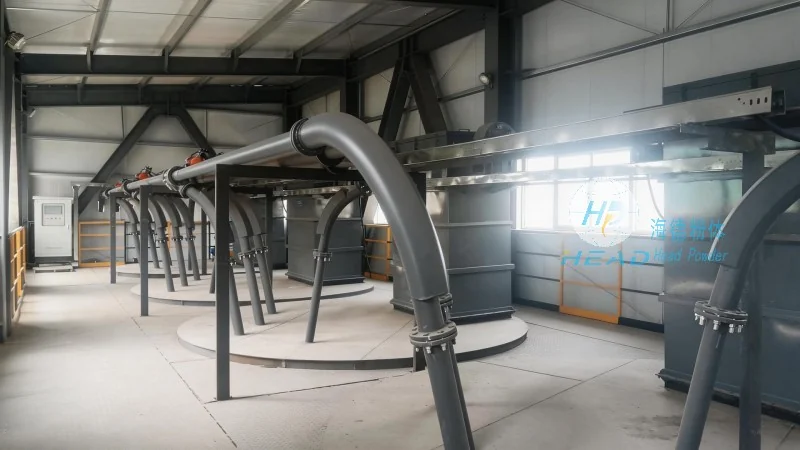
The dry pebble powder pneumatic conveying machine operates on the principle of air pressure to move dry powders through a pipeline. The system typically consists of a hopper for material storage, a rotary valve or feeder to control the flow of pebble powder, a compressor to generate the necessary air pressure, and a pipeline network that transports the material to the discharge point. As the material is introduced into the system, it is mixed with the compressed air, creating a slurry-like flow that propels the powder through the pipeline. This method eliminates the need for mechanical components like belts or chains, reducing wear and maintenance requirements. The air pressure is carefully controlled to ensure the optimal velocity for transporting the pebble powder without causing excessive pressure drops or material degradation.
Key Features and Advantages
One of the primary advantages of the dry pebble powder pneumatic conveying equipment is its high efficiency in transporting bulk materials over long distances. The system can handle large volumes of pebble powder with minimal energy consumption, making it an economical choice for industrial operations. Additionally, the design minimizes product contamination and degradation, as the material is enclosed within the pipeline, preventing exposure to external elements or contaminants. The equipment is also highly flexible, allowing for easy integration into existing production lines and adaptation to varying material characteristics. Another key feature is the low maintenance requirement, as the absence of moving parts reduces the likelihood of mechanical failures and simplifies routine upkeep. This contributes to lower operational costs and increased uptime for the equipment.
Technical Specifications and Application Considerations
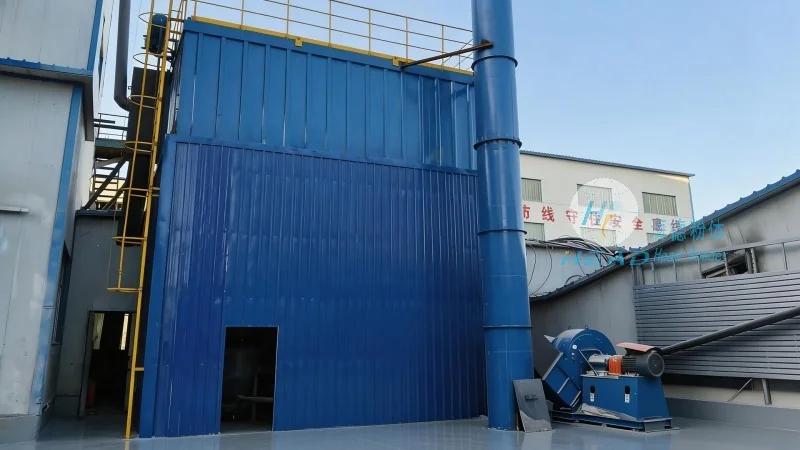
The technical specifications of the dry pebble powder pneumatic conveying system are tailored to meet the specific demands of different industrial applications. Factors such as the particle size of the pebble powder, the required conveying distance, and the desired flow rate are considered in the design process. The system can accommodate a wide range of particle sizes, from fine powders to larger pebbles, ensuring versatility across various industries. The pipeline diameter and length are optimized to maintain consistent air pressure and material flow, preventing blockages or pressure surges. For applications involving abrasive materials like pebble powders, the equipment is constructed with durable materials, such as stainless steel or high-grade alloys, to withstand the wear and tear associated with long-term operation. This ensures the longevity of the system and reduces the need for frequent replacements or repairs. In terms of application, the equipment is commonly used in industries such as mining, construction, and chemical processing, where the transport of bulk materials is a critical step in the production process. By providing a reliable and efficient method of material transport, the system enhances overall operational efficiency and productivity.