

The Working Principle and Features of a Polyvinylidene Fluoride (PVDF) Powder Pneumatic Conveyor
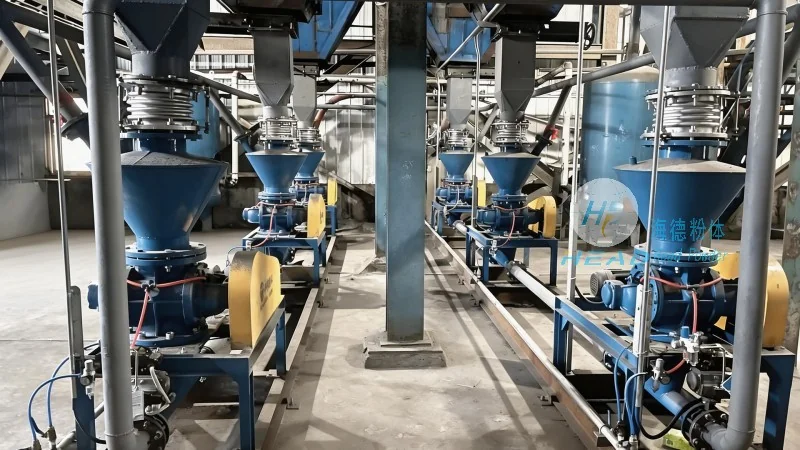
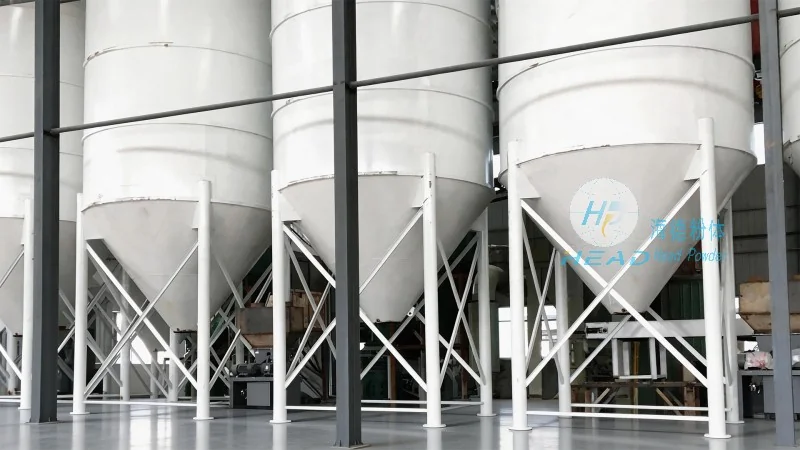
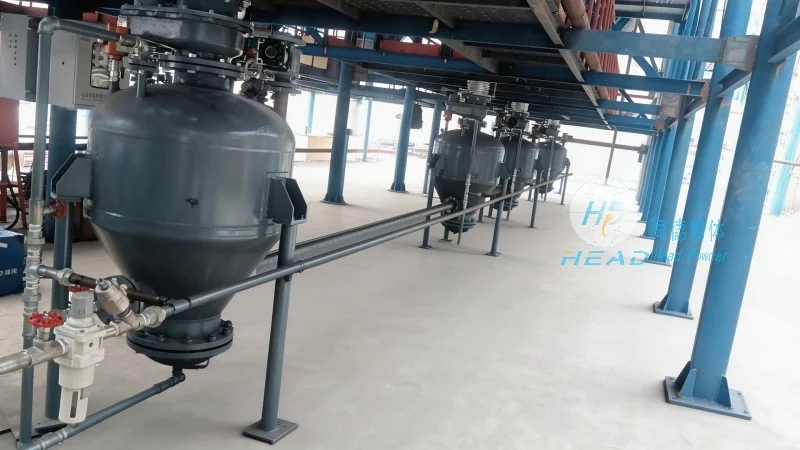
A Polyvinylidene Fluoride (PVDF) powder pneumatic conveyor operates by utilizing compressed air or gas to transport fine powders or granules. The system typically consists of a hopper, a venturi or airlock mechanism, and a pipeline network. When the material is introduced into the hopper, the compressed air is introduced at a controlled pressure and flow rate. This creates a negative pressure or a positive pressure environment within the pipeline, which pulls or pushes the powder particles along the path. The key components include the material feed hopper, the air distribution system, and the discharge outlet. The process ensures efficient and dust-free transfer of PVDF powders, which are known for their chemical resistance and thermal stability.
Key Features of the PVDF Powder Pneumatic Conveyor
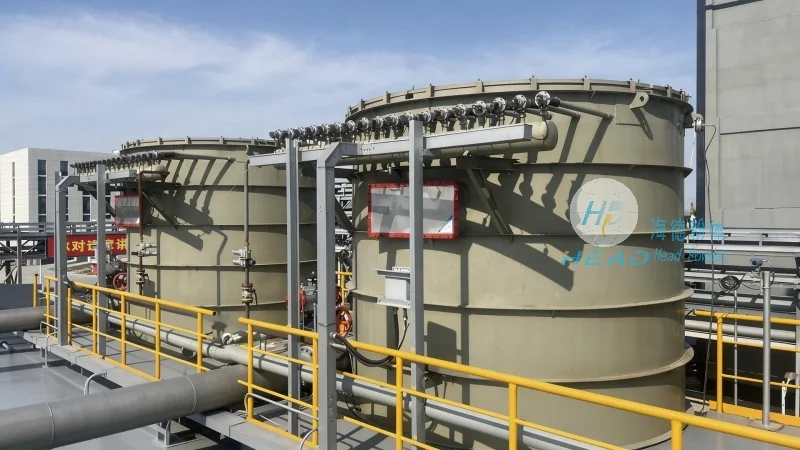
HeadPowder Engineering's PVDF powder pneumatic conveyor is designed with several notable features that enhance performance and reliability. First, the material is constructed from PVDF, a fluoropolymer that offers excellent chemical resistance, making it suitable for handling aggressive or corrosive powders. The conveyor system is also equipped with a robust airlock mechanism to prevent backflow and ensure consistent material flow. Additionally, the design incorporates a low-pressure operation mode, which reduces energy consumption while maintaining efficient transport. The system is compact and easy to install, with minimal maintenance requirements. Another key feature is the ability to handle fine powders without clogging, thanks to the optimized air-to-material ratio and the smooth interior surfaces of the pipeline. The conveyor also provides a dust-free transfer process, which is crucial for maintaining product purity and compliance with industrial standards.
Application-Specific Benefits and Performance
The PVDF powder pneumatic conveyor from Shandong HeadPowder Engineering Co., Ltd. is engineered to meet the demands of various industrial applications. Its chemical resistance makes it ideal for transporting powders in chemical processing, pharmaceutical, and food industries where material purity is paramount. The system's ability to operate under low pressure reduces energy costs and minimizes wear on components, leading to longer service life. The compact design allows for installation in confined spaces, making it suitable for retrofitting existing production lines. The conveyor's consistent performance ensures stable material flow rates, which is critical for maintaining production efficiency. Furthermore, the system's dust-free operation helps in maintaining a clean working environment, reducing the risk of contamination and improving workplace safety.