

Working Principle and Characteristics of Pneumatic Conveying for Forage Materials
Forage materials, such as grass, hay, and other agricultural products, often require efficient and reliable handling systems to ensure smooth processing and transportation. Pneumatic conveying technology offers a solution that utilizes air to transport bulk materials. This method is particularly suitable for handling materials that are dusty, sticky, or have irregular shapes, making it a preferred choice in the agricultural and food processing industries.
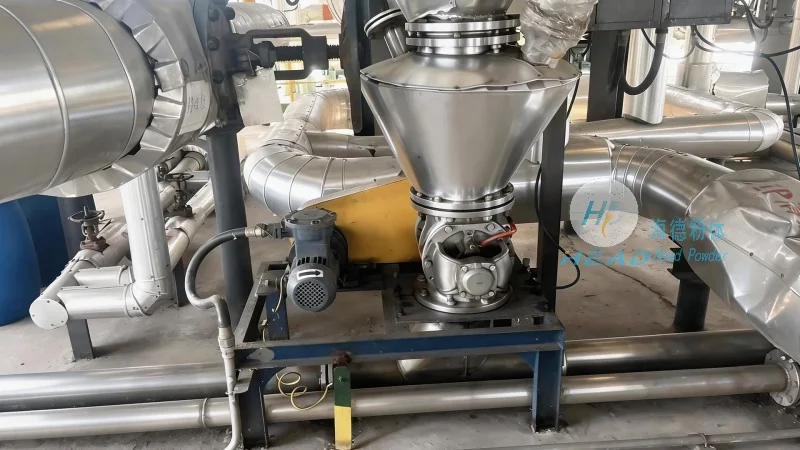
Working Principle of Pneumatic Conveying Systems
The core of a pneumatic conveying system is the use of compressed air to move material from a source to a destination. The process typically involves a few key components: a material feed hopper, a conveyor line (either a pipeline or a flexible hose), and a discharge point. As material is introduced into the hopper, it is drawn into the conveyor line by the force of the moving air. The air velocity is carefully controlled to ensure that the material is carried along without excessive wear or degradation. The system can operate in either positive pressure or negative pressure modes, depending on the application and the distance the material needs to travel.
Key Characteristics of Pneumatic Conveying for Forage Materials
Several distinct characteristics make pneumatic conveying an attractive option for handling forage materials:
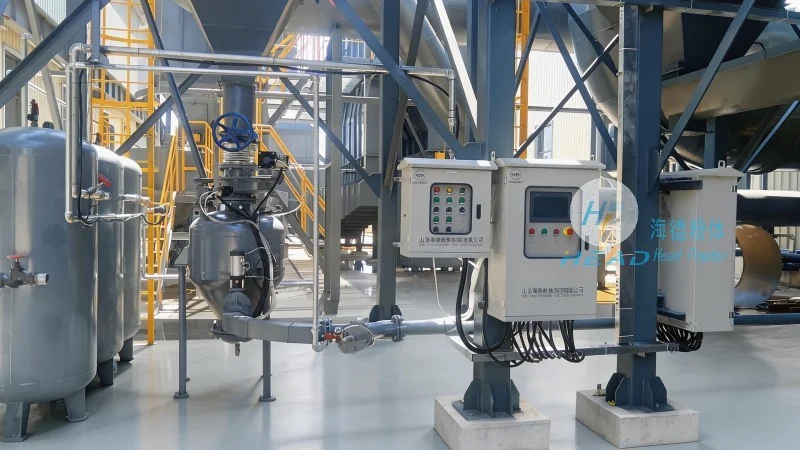
- Efficiency and Speed: Pneumatic systems can transport materials at high speeds, reducing overall processing time compared to traditional methods like belt conveyors or manual handling.
- Low Maintenance: Unlike mechanical systems that have moving parts, pneumatic conveyors have fewer components that require regular maintenance, leading to lower operational costs and less downtime.
- Versatility: These systems can handle a wide range of forage materials, including dry grass, wet hay, and even mixed feed, without the need for extensive modifications.
- Sanitary Design: Many pneumatic conveying solutions are designed with hygienic features, making them suitable for applications where food safety is a priority, such as in feed mills or processing plants.
- Space Efficiency: The compact design of pneumatic systems allows for installation in areas with limited space, making them ideal for facilities with restricted layouts.
Application Examples in the Agricultural Industry
Pneumatic conveying is widely used in various stages of forage processing. For instance, in a feed mill, it can be used to transport raw forage from storage silos to processing equipment. In a dairy farm, it may be employed to move hay from a barn to a feeding station. The flexibility of the system allows it to adapt to different operational needs, from small-scale farms to large-scale industrial operations.
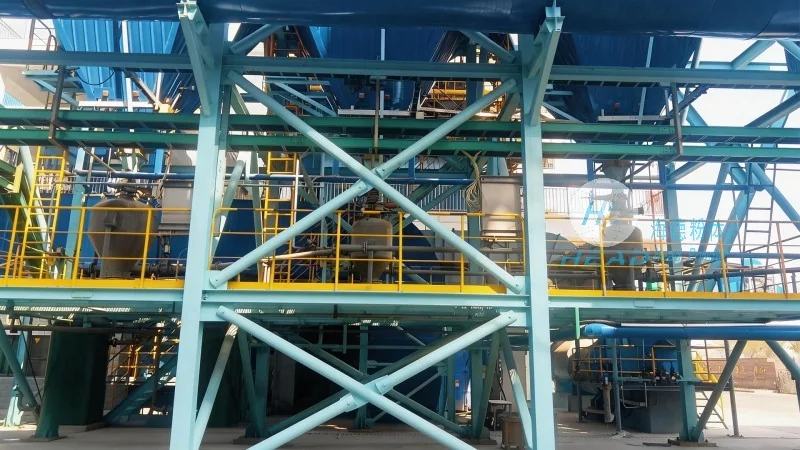
About Shandong HeadPowder Engineering Co., Ltd.
Shandong HeadPowder Engineering Co., Ltd., operating under the brand name HeadPowder, specializes in the design, manufacturing, and installation of advanced pneumatic conveying systems tailored for the agricultural sector. With a focus on innovation and customer satisfaction, the company provides customized solutions that meet the specific requirements of forage handling applications. HeadPowder's expertise in material handling technology ensures that their systems are efficient, reliable, and durable, helping clients optimize their operations and reduce costs.
Conclusion
Pneumatic conveying represents a modern and effective approach to handling forage materials, offering numerous advantages over traditional methods. By understanding the working principle and key characteristics of these systems, businesses can make informed decisions to enhance their material handling processes. With the support of companies like Shandong HeadPowder Engineering Co., Ltd., the implementation of efficient pneumatic conveying solutions becomes accessible and beneficial for various agricultural operations.