

Working Principle and Characteristics of Mica Powder Material Pneumatic Conveying
HeadPowder, a leading entity in the mica powder industry, specializes in advanced material handling solutions. Based in Shandong, China, the company delivers customized services to meet the unique demands of mica powder processing. This article examines the working principle and key characteristics of mica powder material pneumatic conveying systems, illustrating how such technology enhances efficiency and reliability in industrial applications.
About HeadPowder: Leading Mica Powder Solutions
Shandong HeadPowder Engineering Co., Ltd. (HeadPowder) is a trusted provider of mica powder processing technologies. With a focus on innovation and quality, HeadPowder offers tailored solutions for various industrial sectors. The company’s expertise lies in optimizing material handling processes, ensuring clients achieve superior performance and cost-effectiveness in their operations. HeadPowder’s commitment to excellence is reflected in its state-of-the-art equipment and professional support services.
Working Principle of Mica Powder Pneumatic Conveying Systems
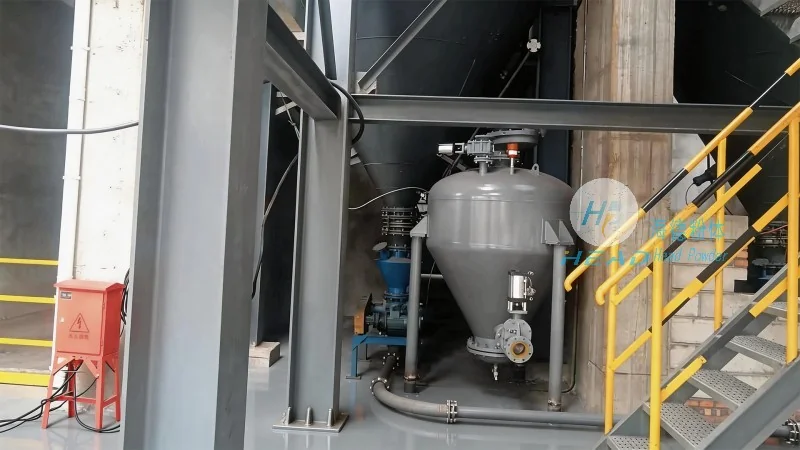
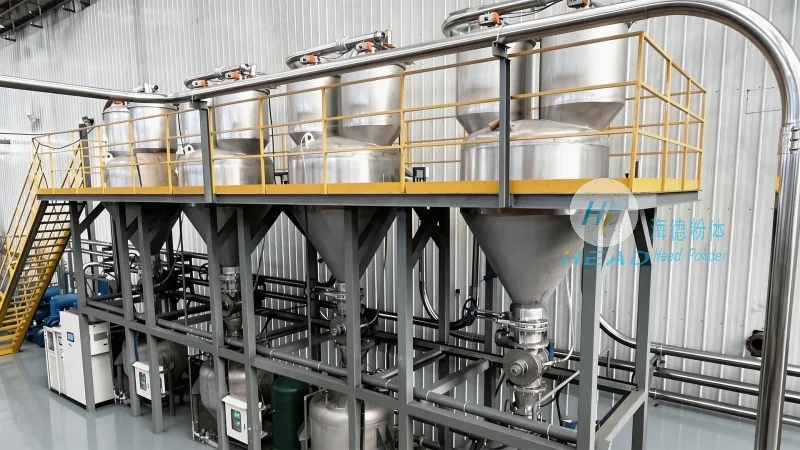
Mica powder material pneumatic conveying systems operate by utilizing air or gas to transport mica powder particles through a pipeline network. The process initiates with the mica powder being fed into a hopper or feeder, where it is then drawn into a venturi or eductor. The air stream, generated by a blower or compressor, creates a low-pressure zone that pulls the powder particles into the conveying line. As the powder travels through the pipeline, it is suspended and transported to the destination point, such as a storage silo or processing unit. The system relies on the balance between air velocity and particle size to ensure efficient and consistent conveying. Key components include the air supply unit, feeder, venturi, pipeline, and control system, all working in tandem to maintain optimal performance.

Key Characteristics and Advantages of Mica Powder Pneumatic Conveying
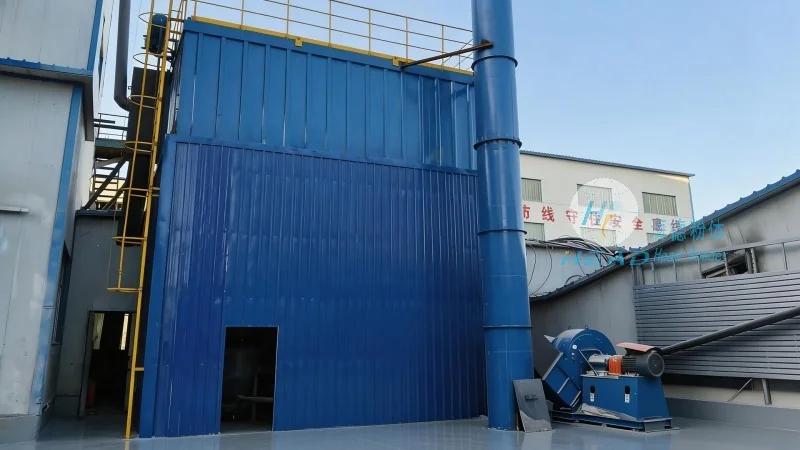
Mica powder pneumatic conveying systems exhibit several distinct characteristics that make them ideal for handling fine powders like mica. Firstly, the technology offers a closed system, which minimizes dust emissions and ensures environmental compliance. This is particularly important for mica powder, which can be a respiratory hazard if not handled properly. Secondly, the system provides high conveying efficiency, with the ability to transport mica powder over long distances with minimal loss. The closed design also prevents contamination from external sources, maintaining the purity of the mica powder. Additionally, pneumatic conveying systems are flexible and can be easily integrated with existing processing lines, allowing for seamless expansion or modification of operations. The use of air as the conveying medium also reduces the need for mechanical components, lowering maintenance requirements and operational costs. Overall, mica powder pneumatic conveying systems combine efficiency, safety, and reliability, making them a preferred choice for industrial applications.
Applications and Benefits in Industrial Settings
The advantages of mica powder pneumatic conveying are evident in various industrial applications. In the manufacturing of mica-based products, such as electrical insulation materials or cosmetics, the need for clean and efficient material handling is critical. Pneumatic conveying systems ensure that mica powder is transported without degradation or contamination, preserving its quality for end-use applications. The closed system also enhances workplace safety by reducing dust exposure for operators. Furthermore, the flexibility of these systems allows for customization to meet specific process requirements, whether it involves short-distance or long-distance transport. The ability to handle varying particle sizes and flow rates makes mica powder pneumatic conveying suitable for diverse production environments. By integrating such technology, industries can achieve improved productivity, reduced downtime, and enhanced product quality, ultimately contributing to better business outcomes.
Conclusion: Enhancing Mica Powder Processing with Pneumatic Conveying
In conclusion, mica powder material pneumatic conveying systems represent a sophisticated solution for efficient and safe handling of mica powder. The working principle, which relies on air to transport particles, combined with the system’s key characteristics—such as closed operation, high efficiency, and flexibility—makes it an indispensable tool in modern industrial processing. HeadPowder, with its expertise in mica powder technologies, provides tailored solutions that leverage these advantages, helping clients optimize their operations and achieve their production goals. By adopting pneumatic conveying systems, industries can enhance productivity, maintain product quality, and ensure compliance with safety and environmental standards. The future of mica powder processing lies in such advanced material handling technologies, and HeadPowder remains at the forefront of delivering innovative solutions to meet these evolving needs.