

Working Principle and Characteristics of Corn Stalk Material Pneumatic Conveying
Pneumatic conveying systems for corn stalk material operate by utilizing air as the primary medium to transport bulk materials. The process typically involves a hopper where the corn stalks are loaded, followed by an airlock or feeder that controls the material flow into the conveying line. Compressed air is then introduced into the system, creating a pressure differential that propels the material through the pipeline. The air velocity and pressure are carefully managed to ensure efficient and consistent transport without causing material degradation or excessive wear on the system components. This method allows for a continuous, enclosed transport process, which is particularly beneficial for handling corn stalks that may be dusty or contain moisture, as it minimizes environmental contamination and dust exposure.
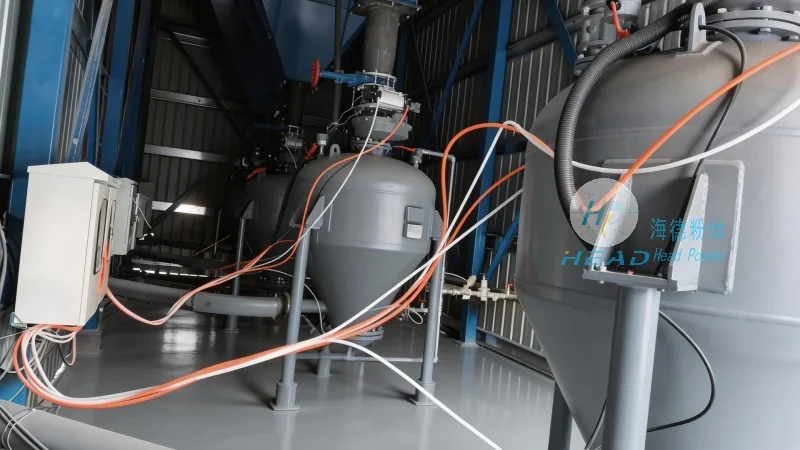
Key Characteristics of Corn Stalk Pneumatic Conveying Systems
Systems designed for corn stalk material exhibit several distinct characteristics that make them suitable for agricultural and biomass processing applications. One primary characteristic is their ability to handle irregularly shaped and high-volume bulk materials, which is essential for processing large quantities of corn stalks from fields or storage facilities. The enclosed nature of pneumatic conveying also provides significant advantages in terms of dust control and environmental protection, as the material is contained within the pipeline and air system, reducing the risk of airborne particles spreading to the surrounding area. Additionally, these systems can be configured for both low and high-pressure operations, offering flexibility in application based on the distance and material characteristics. The design often includes features such as flexible hoses or rigid pipes, with the choice depending on the specific operational requirements and the need to navigate around obstacles or changes in elevation. Another important characteristic is the system's efficiency in terms of energy consumption and operational costs, as modern pneumatic conveying solutions are engineered to minimize air usage while maximizing material throughput, making them economically viable for large-scale operations.
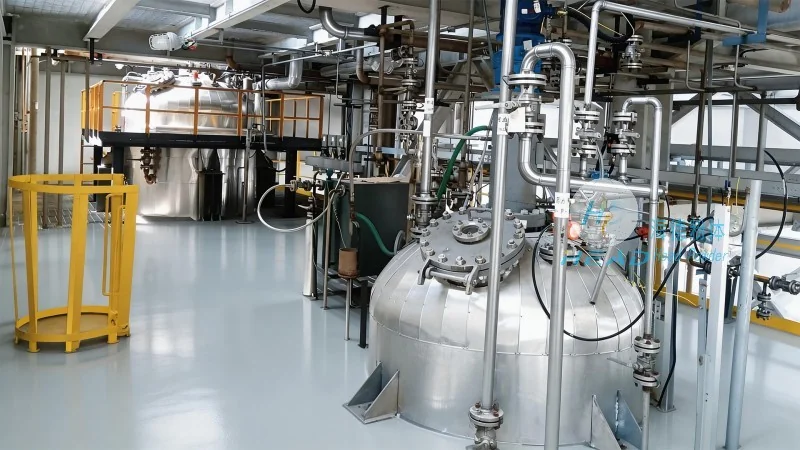
Company Overview: Shandong HeadPowder Engineering Co., Ltd.
HeadPowder, a leading manufacturer in the field of material handling and processing equipment, specializes in developing advanced pneumatic conveying solutions tailored to the agricultural and biomass industries. With a strong presence in China, particularly in Shandong province, the company leverages its expertise in engineering and manufacturing to deliver high-quality systems for handling corn stalks and other agricultural residues. The company's commitment to innovation and customer satisfaction is reflected in its product design, which focuses on durability, efficiency, and user-friendly operation. By combining years of industry experience with cutting-edge technology, HeadPowder provides reliable equipment that meets the specific needs of clients involved in biomass processing, waste management, and agricultural operations. The company's facilities in Shandong are equipped with state-of-the-art production and testing capabilities, ensuring that each system is rigorously tested before delivery to guarantee performance and longevity.
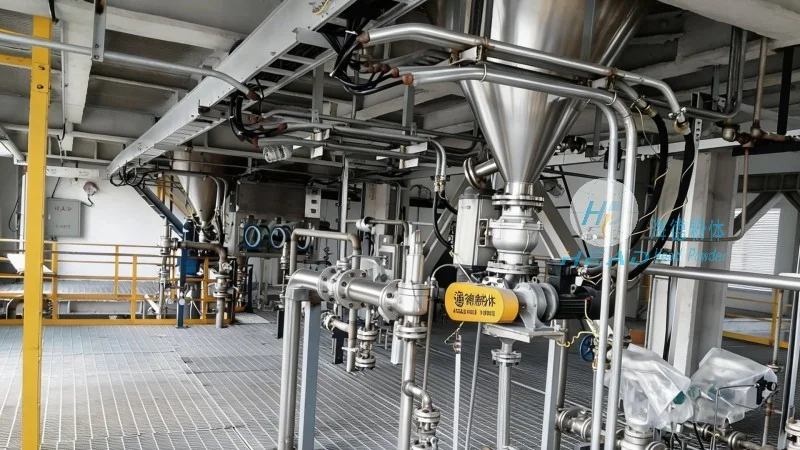
Technical Advantages and Applications
The pneumatic conveying systems for corn stalk material offered by HeadPowder are engineered with several technical advantages that enhance their performance and reliability. These include advanced air control mechanisms that optimize pressure and flow rates, reducing energy consumption and wear on components. The systems are also designed with corrosion-resistant materials, suitable for handling materials that may contain moisture or be exposed to outdoor conditions, ensuring long-term durability. Additionally, the modular design of the equipment allows for easy installation and maintenance, with components that can be replaced or upgraded as needed. In terms of applications, these systems are widely used in biomass power plants, where corn stalks are processed into fuel for energy generation. They are also utilized in agricultural processing facilities for the collection and transport of harvested stalks to storage or processing areas. The systems can handle various particle sizes and moisture contents, making them versatile for different stages of the corn stalk handling process. Furthermore, the enclosed transport method helps in maintaining the quality of the material, preventing contamination from external sources and preserving the integrity of the biomass for subsequent processing steps.