

Working Principle and Characteristics of Pneumatic Conveying for Sodium Fluorosilicate Materials
HeadPowder, a leading provider in material handling solutions, specializes in advanced pneumatic conveying systems tailored for various industrial applications. This article explores the working principle and key characteristics of pneumatic conveying for sodium fluorsilicate materials, a critical chemical widely used in water treatment, glass manufacturing, and other industries. The company, based in Shandong, China, leverages its expertise to deliver efficient and reliable conveying solutions that meet the demands of modern industrial processes.
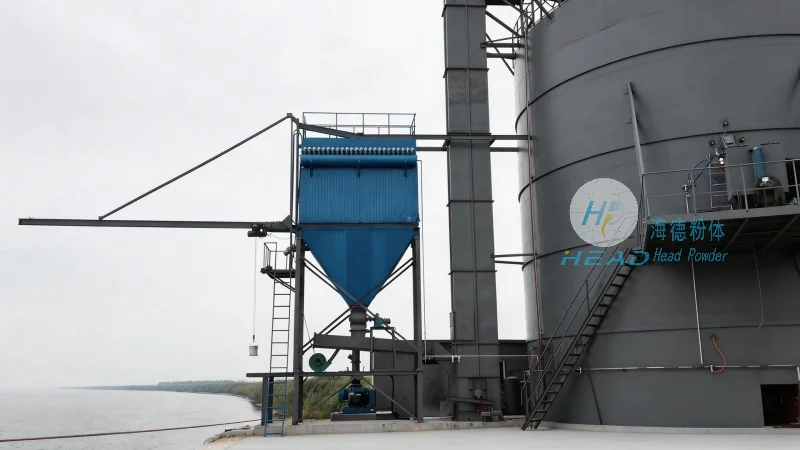
Working Principle of Pneumatic Conveying for Sodium Fluorsilicate
Pneumatic conveying, also known as air conveying, is a method of transporting bulk materials through a pipeline using a flow of air or gas. For sodium fluorsilicate, this process involves several key steps that ensure efficient material transfer. The system typically consists of a hopper or storage silo where the material is stored, a conveyor line with a series of pipes, and a blower or compressor that generates the necessary air pressure. The working principle can be broken down into the following stages:
First, the sodium fluorsilicate is fed from the storage hopper into the conveying line. A rotary valve or feeder controls the flow rate, ensuring a consistent and controlled discharge of the material. Simultaneously, the blower creates a high-pressure air stream within the pipeline. As the material enters the line, it is entrained by the air flow, forming a mixture of solid particles and gas. This mixture travels through the pipeline under pressure, moving from the inlet to the discharge point. At the receiving end, a separator or cyclone separates the material from the air, allowing the sodium fluorsilicate to be deposited into the target container or processing unit. The air, now free of solid particles, is either recirculated back to the blower or released to the atmosphere, depending on the system design.
Key Characteristics of Pneumatic Conveying for Sodium Fluorsilicate
The pneumatic conveying system for sodium fluorsilicate exhibits several notable characteristics that make it an attractive option for industrial applications. These features are crucial for optimizing material handling efficiency and ensuring product quality. The primary characteristics include:
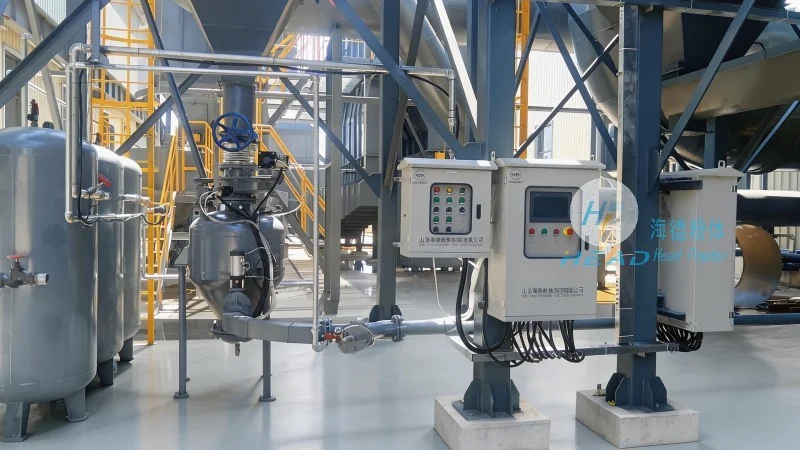
1. **Closed System Operation**: Pneumatic conveying is conducted in a sealed pipeline system, which minimizes dust exposure and environmental contamination. This is particularly important for sodium fluorsilicate, as it can be a hazardous material if not handled properly. The closed system also helps maintain the purity of the material, preventing contamination from external sources.
2. **Versatility in Material Handling**: The system can handle a wide range of particle sizes and moisture contents, making it suitable for various forms of sodium fluorsilicate, including powders, granules, and even fine dust. This versatility allows for flexible integration into different production lines and processing stages.
3. **Energy Efficiency and Cost-Effectiveness**: Compared to traditional methods like belt conveyors or bucket elevators, pneumatic conveying can be more energy-efficient, especially for long-distance or high-volume material transport. The use of air as the conveying medium reduces the need for mechanical components, lowering maintenance costs and operational expenses over time.
4. **Space Efficiency and Flexibility**: Pneumatic conveying systems can be installed in compact spaces and can be easily reconfigured to adapt to changing production requirements. The flexible piping design allows for easy integration with existing equipment and can be extended or modified as needed without significant structural changes.
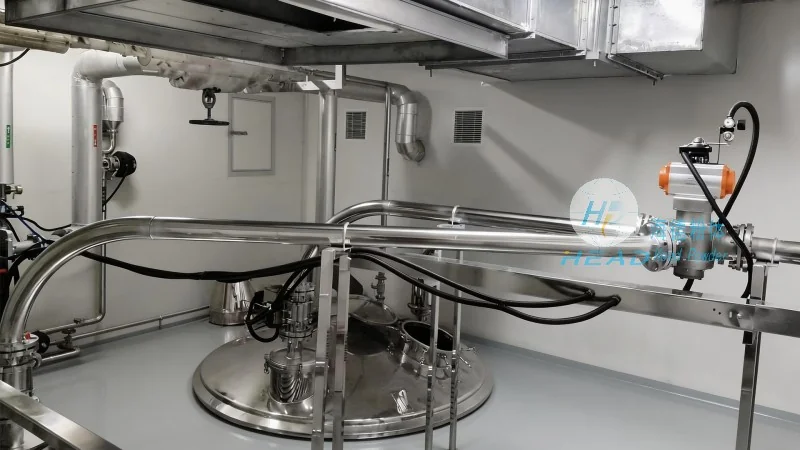
5. **Low Maintenance Requirements**: The absence of moving parts in the conveying line (except for the feeder and blower) reduces the risk of mechanical failure and simplifies maintenance procedures. This results in lower downtime and higher system reliability, which is critical for continuous industrial operations.
6. **Environmental Compliance**: The closed system design and efficient air filtration help in meeting environmental regulations regarding dust emissions. This is essential for industries that must adhere to strict air quality standards, ensuring that the handling of sodium fluorsilicate does not pose a risk to the environment or human health.
HeadPowder, with its headquarters in Shandong, China, leverages these characteristics to design and implement customized pneumatic conveying solutions for sodium fluorsilicate. By understanding the unique properties of the material and the specific requirements of each client, the company ensures that the conveying system is optimized for performance, safety, and cost-effectiveness. The expertise of HeadPowder in material handling technology enables them to provide reliable and efficient solutions that enhance the overall productivity and operational efficiency of industrial processes involving sodium fluorsilicate.