

Working Principle and Features of Dry Cobblestone Material Pneumatic Conveying Systems
HeadPowder, a leading provider of material handling solutions, specializes in the design and implementation of pneumatic conveying systems for various industrial applications. This article focuses on the working principle and key features of dry cobblestone material pneumatic conveying systems, highlighting the technical aspects and operational benefits of such systems.
Company Overview
Shandong HeadPowder Engineering Co., Ltd., commonly known as HeadPowder, is headquartered in Shandong, China. The company has established itself as a trusted manufacturer and supplier of advanced material handling equipment, including pneumatic conveying systems tailored for diverse industrial needs. With a strong commitment to quality and innovation, HeadPowder delivers reliable solutions that enhance operational efficiency and safety in material transport processes.
Working Principle of Dry Cobblestone Material Pneumatic Conveying Systems
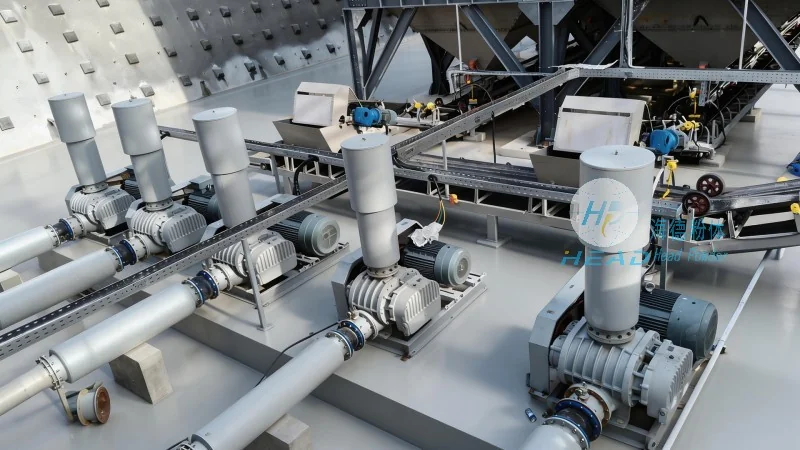
The dry cobblestone material pneumatic conveying system operates on the principle of air-based transport, where dry cobblestone particles are conveyed through a pipeline using a stream of compressed air. The system typically consists of a hopper for material storage, a feeder to control the flow rate, a compressor to generate the air pressure, and a pipeline network that transports the material from the source to the destination. The air flow creates a low-pressure zone within the pipeline, which draws the dry cobblestone particles into the stream, allowing them to be transported efficiently over long distances without the need for mechanical components like belts or buckets.
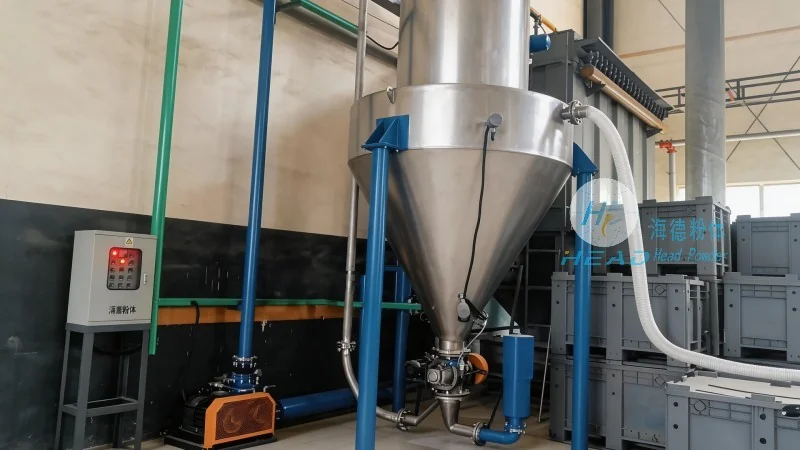
During operation, the feeder regulates the amount of dry cobblestone fed into the system, ensuring a consistent flow rate. The compressor then supplies the necessary air pressure to maintain the conveying velocity, which is critical for preventing particle deposition and ensuring smooth transport. The pipeline design, including bends and transitions, is engineered to minimize pressure losses and maintain the air velocity required for effective particle suspension. This air-based mechanism allows for a flexible and low-maintenance solution for transporting dry cobblestone materials, particularly in applications where traditional mechanical conveyors may be impractical or inefficient.
Key Features of Dry Cobblestone Material Pneumatic Conveying Systems
HeadPowder's dry cobblestone material pneumatic conveying systems are characterized by several notable features that enhance their performance and suitability for industrial applications. One of the primary advantages is the ability to transport dry cobblestone particles over long distances with minimal loss of material and reduced risk of contamination. The air-based transport method ensures that the material remains dry throughout the process, which is essential for maintaining the quality of the cobblestone, especially in applications where moisture could affect its properties.
Another significant feature is the system's adaptability to varying material characteristics. Dry cobblestone materials can have different sizes, shapes, and densities, and the pneumatic conveying system is designed to handle these variations effectively. The adjustable air pressure and flow rate settings allow operators to optimize the conveying process for specific material types, ensuring efficient transport without causing excessive wear on the system components. This adaptability makes the system suitable for a wide range of industrial uses, from construction material transport to recycling applications.
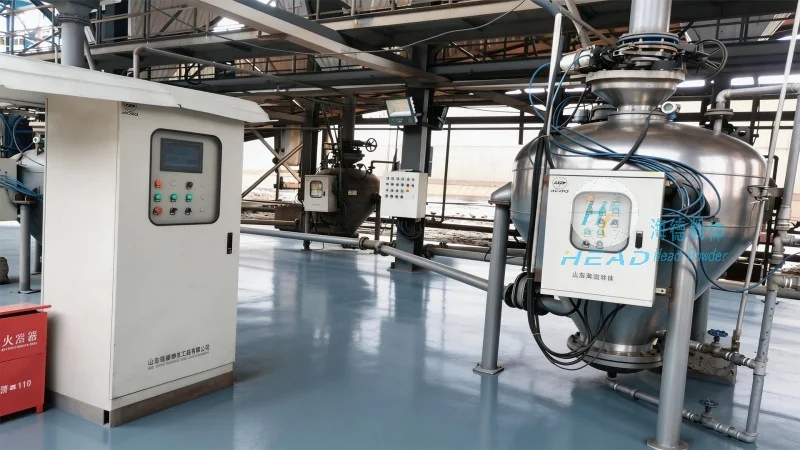
Efficiency and energy conservation are also key features of these systems. By utilizing compressed air as the primary transport medium, the system reduces the need for mechanical moving parts, which lowers maintenance costs and energy consumption compared to traditional conveyor systems. The streamlined design of the pipeline and the optimized air flow minimize energy losses, contributing to overall operational efficiency. Additionally, the system's compact footprint and modular design allow for easy installation and integration into existing industrial setups, making it a practical solution for facilities with limited space or complex layout requirements.
Operational Benefits and Applications
The implementation of dry cobblestone material pneumatic conveying systems offers several operational benefits that improve productivity and safety in material handling processes. The system's ability to transport materials in a closed pipeline prevents dust emissions and environmental contamination, which is crucial for maintaining compliance with industrial regulations and ensuring a safe working environment. This feature is particularly important for dry cobblestone materials, which can generate significant dust during handling, posing health risks to workers and environmental hazards.
Furthermore, the system enhances operational flexibility by allowing for easy reconfiguration of the pipeline network to accommodate changes in material flow or process requirements. The modular components, such as hoppers and feeders, can be easily adjusted or replaced, enabling quick adaptation to new applications or increased material throughput. This flexibility reduces downtime and increases the overall productivity of the system, making it a cost-effective solution for industrial operations.
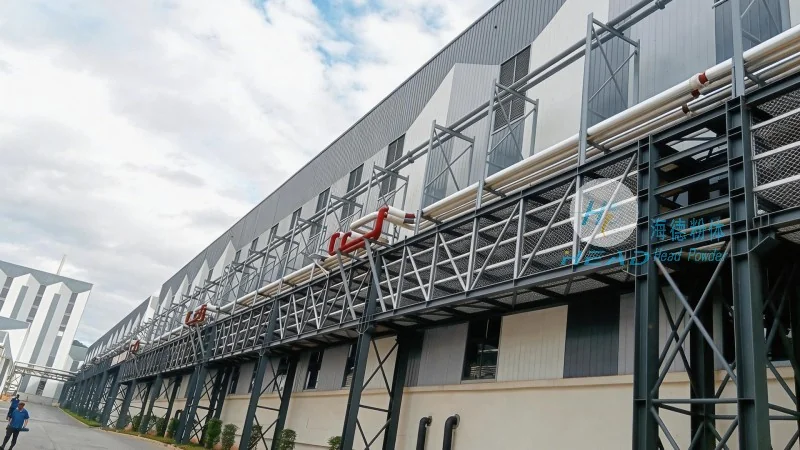
HeadPowder's dry cobblestone material pneumatic conveying systems are widely used in various industries, including construction, mining, and recycling. In construction, the system is employed to transport dry cobblestone materials from storage sites to building sites, ensuring a continuous and efficient supply of materials for road construction, landscaping, and other projects. In mining operations, the system helps in the transport of cobblestone waste or raw materials from processing plants to storage areas, improving the overall material handling efficiency. In recycling facilities, the pneumatic conveying system is used to move dry cobblestone materials through sorting and processing stages, facilitating the recycling process and reducing the need for manual handling.
Conclusion
HeadPowder's dry cobblestone material pneumatic conveying systems represent a reliable and efficient solution for transporting dry cobblestone materials in industrial applications. By leveraging the principles of air-based transport, these systems offer advantages such as minimal material loss, reduced contamination, and improved operational flexibility. The company's commitment to quality and innovation ensures that its systems are designed to meet the specific needs of various industries, providing long-term performance and value. With its headquarters in Shandong, China, HeadPowder continues to be a leading provider of advanced material handling solutions, helping businesses enhance their operational efficiency and achieve their production goals.