

Working Principle and Features of Gypsum Sand Material Pneumatic Conveying Systems
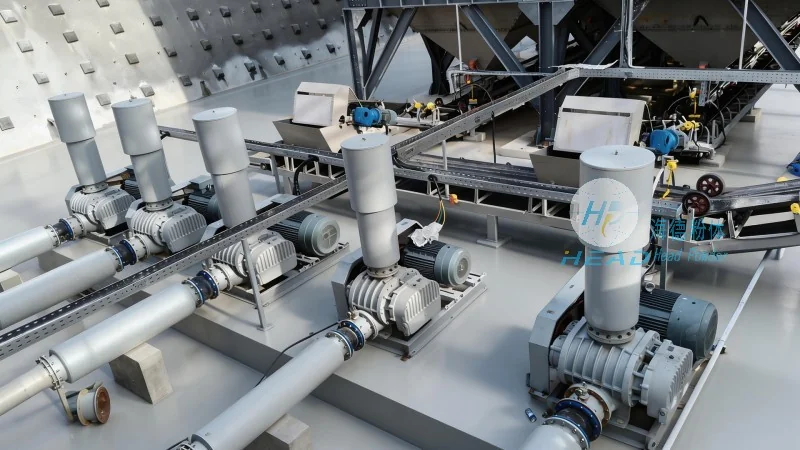
Gypsum sand pneumatic conveying systems operate on the principle of air pressure to transport bulk materials. The process begins with a hopper where gypsum sand is stored. A feeder then regulates the flow of the material into the conveying line. A blower or compressor generates the necessary air pressure, which is introduced into the pipeline. As the air flows through the line, it creates a flow that carries the gypsum sand particles along the path. The material is suspended in the air stream and transported to the receiver at the destination. This method eliminates the need for mechanical components like belts or buckets, reducing maintenance and increasing efficiency in material handling. The enclosed pipeline design prevents dust from escaping, ensuring a clean and safe working environment for personnel and equipment.
Key Features of Gypsum Sand Pneumatic Conveying Systems
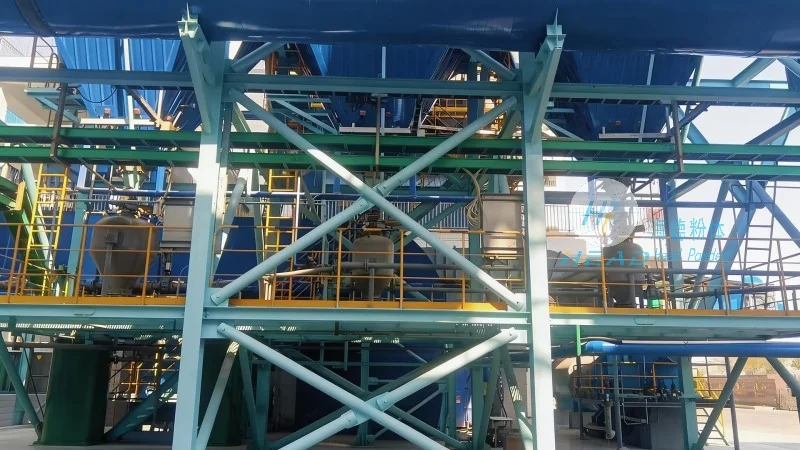
Several key features make these systems ideal for handling gypsum sand. Firstly, the enclosed pipeline design minimizes dust exposure, enhancing workplace safety and air quality. Secondly, the systems are effective in handling abrasive materials without causing significant wear and tear on components, leading to longer equipment lifespan and lower maintenance costs. Thirdly, the flexibility of the conveying lines allows for easy reconfiguration to adapt to changes in production processes or facility layouts, providing adaptability in dynamic industrial environments. Additionally, the low energy consumption compared to traditional bulk handling methods makes them cost-effective for long-term operation. The consistent and reliable material flow provided by these systems minimizes downtime and improves overall productivity, contributing to enhanced operational efficiency.
Company Introduction: Shandong HeadPowder Engineering Co., Ltd.
HeadPowder, a leading manufacturer in material handling equipment, specializes in designing and supplying advanced pneumatic conveying solutions. Operating under the full name Shandong HeadPowder Engineering Co., Ltd., the company has established itself as a trusted partner for businesses requiring efficient and reliable material transport systems. With a strong focus on innovation and quality, HeadPowder engineers products tailored to meet the specific needs of clients, ensuring optimal performance and durability in demanding operational environments. The company's commitment to customer satisfaction and technical excellence has earned it a reputation for delivering high-quality solutions that enhance operational efficiency and reduce costs for its clients.
Application and Benefits in Industrial Settings
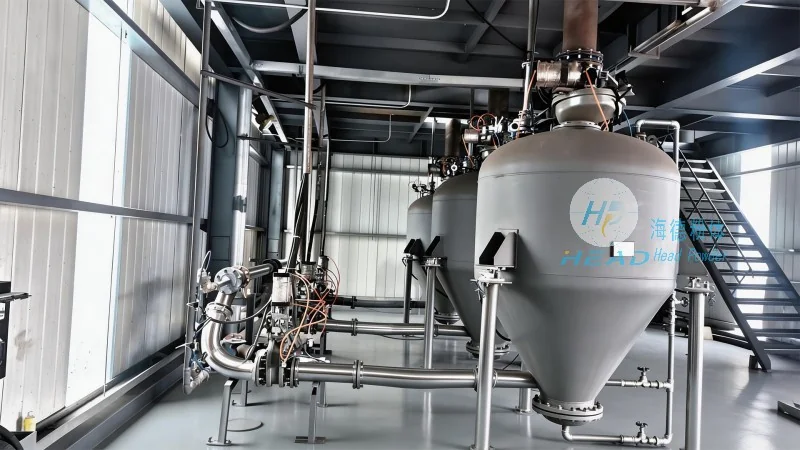
Gypsum sand pneumatic conveying systems are widely used in industries such as construction, mining, and chemical processing. In construction, they are essential for moving gypsum sand used in wallboard production, ensuring consistent material supply and reducing manual handling efforts. In mining operations, these systems facilitate the transport of processed gypsum sand from processing plants to storage or shipping facilities, improving logistics and reducing transportation costs. The benefits extend to workplace safety, as the enclosed design eliminates the need for manual handling of heavy or dusty materials, reducing health risks. The systems also maintain a clean and hygienic environment, which is crucial in industries like food processing or pharmaceutical manufacturing. Furthermore, the ability to transport materials over long distances without intermediate storage points makes them suitable for large-scale operations, enhancing overall productivity and operational flexibility. The adoption of pneumatic conveying systems for gypsum sand handling has become a standard practice in modern industrial settings, offering a sustainable and efficient solution that aligns with the evolving needs of the industry.