

Working Principle and Features of a Dry Yeast Material Pneumatic Conveying System
HeadPowder, a leading engineering firm based in Shandong, China, specializes in the design and implementation of advanced pneumatic conveying systems tailored for handling dry yeast materials. This article delves into the core working principles and distinctive features of such systems, providing a comprehensive overview for industry professionals and potential clients.
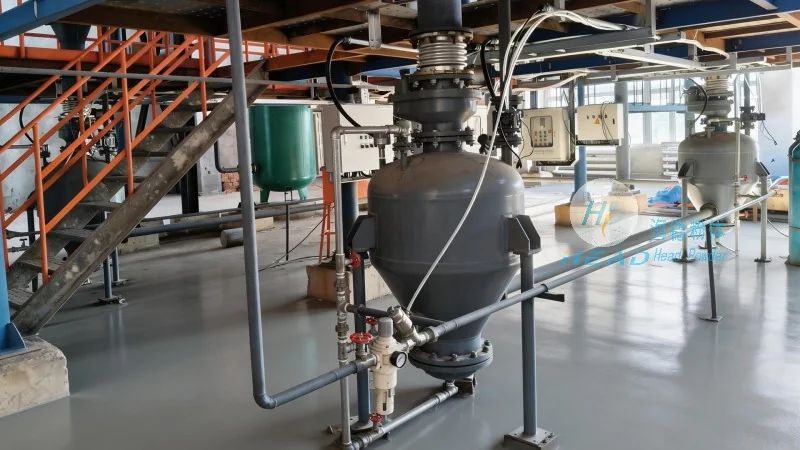
Overview of Dry Yeast Pneumatic Conveying Systems
A dry yeast material pneumatic conveying system is a sophisticated industrial solution designed to transport dry yeast efficiently from one location to another within a production facility. The system leverages the principles of air dynamics to move the material through a network of pipes and ducts, eliminating the need for traditional mechanical conveyors that may cause product degradation or contamination. HeadPowder Engineering Co., Ltd., with its headquarters in Shandong, China, has been at the forefront of developing customized solutions that meet the specific requirements of yeast processing plants, ensuring optimal performance and reliability.
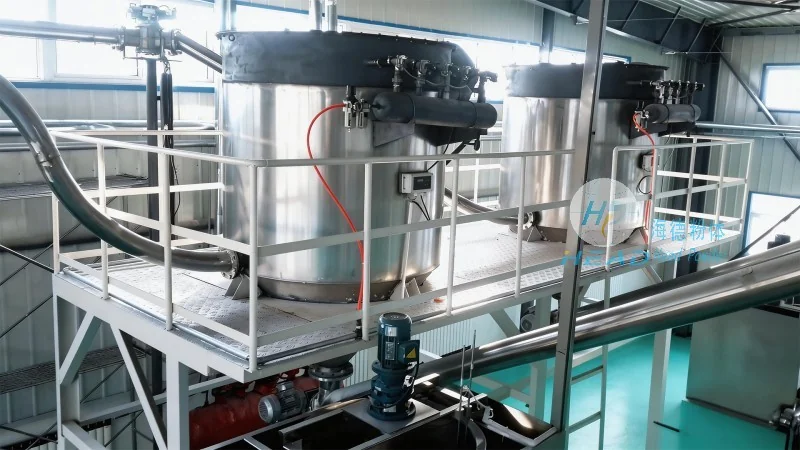
Working Principle of the Pneumatic Conveying System
The fundamental working principle of a dry yeast pneumatic conveying system revolves around the use of compressed air to create a flow that propels the dry yeast particles through the system. In this process, the dry yeast is typically introduced into a hopper or feeder, where it is then drawn into a pipeline by the force of the moving air. The system operates on either a positive pressure or negative pressure (vacuum) basis, depending on the application and the distance the material needs to travel. Positive pressure systems use air to push the material forward, while negative pressure systems use suction to pull the material through the system. The design of the system, including the type of air nozzles, duct dimensions, and flow control mechanisms, is critical to ensuring consistent and efficient transport of the dry yeast without causing agglomeration or degradation of the product.
Key Features of the System
HeadPowder's dry yeast pneumatic conveying systems are characterized by several key features that set them apart in the industry. Firstly, the systems are engineered for high efficiency, minimizing material loss and ensuring that the dry yeast reaches its destination with minimal degradation. The use of specialized air distribution and flow control components helps maintain the integrity of the yeast particles, which is crucial for maintaining their quality and functionality in downstream processes. Secondly, the systems are designed for flexibility and adaptability, allowing for easy integration into existing production lines or expansion as production needs grow. This adaptability is achieved through modular design, where components can be added or modified without disrupting the entire system. Thirdly, the systems prioritize safety and compliance, incorporating features such as pressure relief valves, air filtration systems, and material containment measures to ensure a safe working environment and adherence to industry standards. Additionally, the systems are built for durability and low maintenance, with high-quality materials and robust construction that reduce downtime and operational costs over the long term.
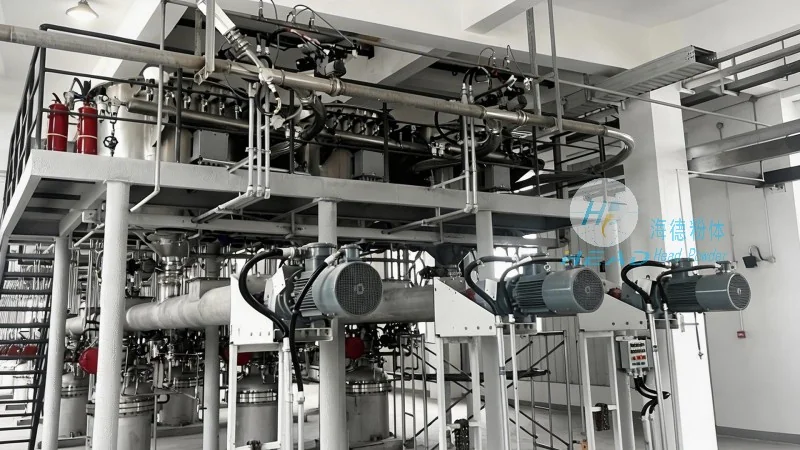
Technical Advantages and Practical Applications
The adoption of a dry yeast pneumatic conveying system offers several technical advantages that enhance operational efficiency and product quality. One of the primary advantages is the ability to transport dry yeast in a closed system, which prevents exposure to contaminants, moisture, or air, thereby preserving the product's freshness and potency. This is particularly important in the food and beverage industry, where maintaining the quality of yeast is essential for the final product. Another advantage is the reduction in labor costs associated with manual handling of dry yeast, as the system automates the entire transport process, minimizing the need for manual intervention and reducing the risk of human error. Furthermore, the systems are capable of handling varying particle sizes and moisture contents, making them suitable for a wide range of yeast products and production scenarios. In practical applications, these systems are commonly used in yeast production facilities to move dry yeast from storage silos to mixing tanks, or from processing lines to packaging areas. The consistent and reliable transport provided by the system ensures that production processes run smoothly, with minimal interruptions and high product yield.