

Working Principle and Characteristics of Pneumatic Conveying Systems for Pharmaceutical Granular Mat
HeadPowder, a leading manufacturer based in Shandong, China, specializes in the design and production of advanced pneumatic conveying systems tailored for pharmaceutical granular materials. These systems are critical in pharmaceutical manufacturing, ensuring efficient, safe, and reliable material handling from raw material intake to final product packaging. This article delves into the working principle and key characteristics of such systems, highlighting their importance in maintaining compliance with stringent industry standards.
Understanding Pneumatic Conveying Systems for Pharmaceutical Granular Materials
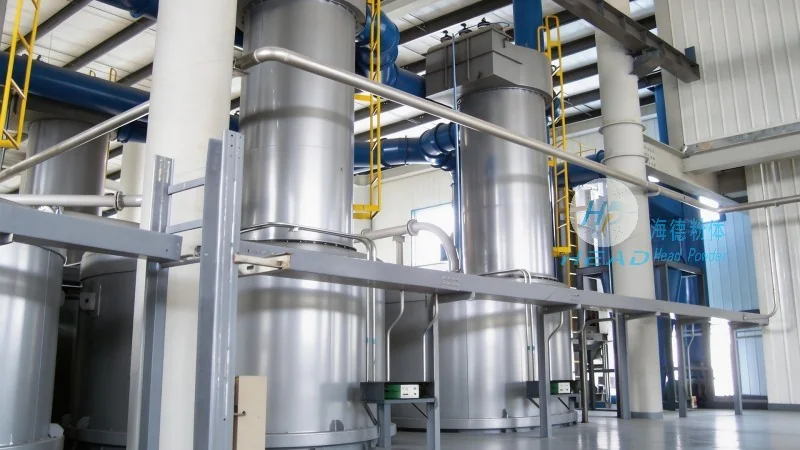
Pneumatic conveying systems are mechanical devices that use air or other gases to transport bulk materials, such as pharmaceutical granules, powders, or small particles, through a pipeline. In the pharmaceutical industry, these systems are preferred over traditional methods like bucket elevators or belt conveyors due to their ability to handle sensitive materials without contamination, reduce product degradation, and maintain a clean environment. The core of a pneumatic conveying system involves a combination of components that work in tandem to achieve material transport, including a blower or compressor, a hopper for material storage, a pipeline network, and a receiver for the delivered material.
The Working Principle of Pneumatic Conveying Systems
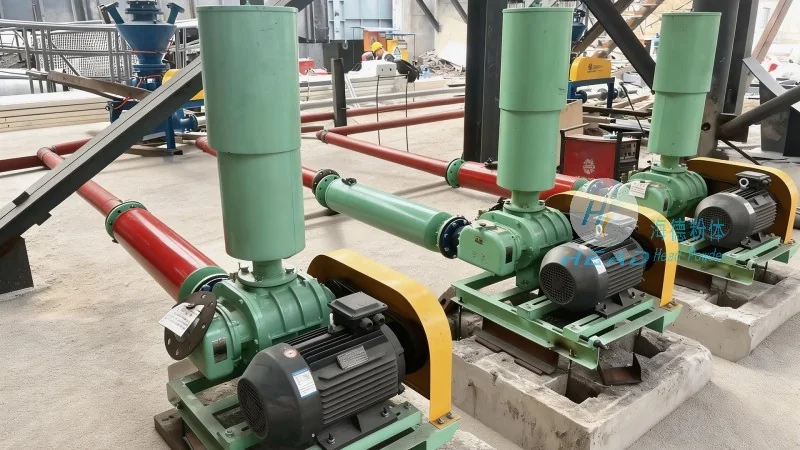
The operation of a pneumatic conveying system for pharmaceutical granular materials typically follows a sequence of steps designed to ensure efficient and controlled material movement. First, the pharmaceutical granules are fed into a hopper or a feeding device, which is equipped with a metering valve to regulate the flow rate. This step is crucial for maintaining consistent material throughput and preventing overloading or underloading of the system. Next, a blower or compressor generates a high-pressure air stream, which is introduced into the pipeline. The air stream creates a pressure differential that draws the material from the hopper into the pipeline. As the material travels through the pipeline, it is suspended and carried by the air flow. The system may use different types of conveying modes, such as dilute-phase or dense-phase, depending on the material properties and required handling conditions. Dilute-phase conveying involves transporting material in a relatively low concentration, where the material is suspended in the air stream, while dense-phase conveying uses higher air pressure to push material in a more compact form, reducing the risk of material degradation and ensuring a smoother flow.
Key Characteristics of Pharmaceutical Pneumatic Conveying Systems
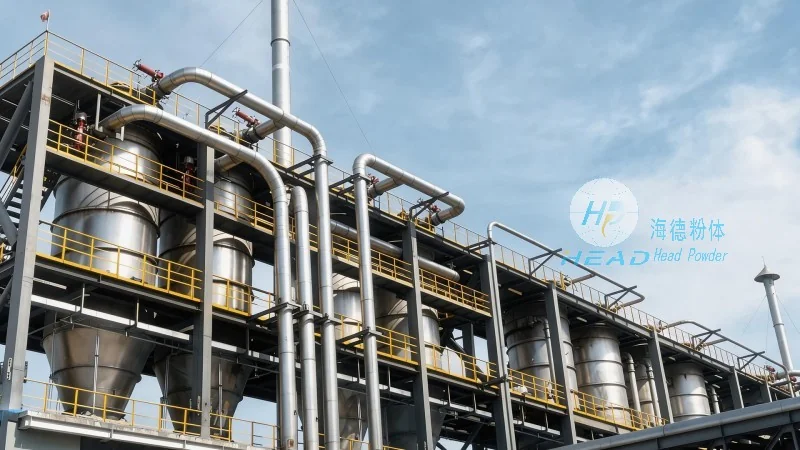
Several key characteristics define the performance and suitability of pneumatic conveying systems for pharmaceutical applications. Firstly, hygienic design is paramount. The systems are constructed with materials that are easy to clean and sanitize, such as stainless steel, to prevent cross-contamination and meet regulatory requirements like those from the FDA and GMP (Good Manufacturing Practice). The components are often designed with smooth surfaces, minimal dead zones, and sealed connections to maintain a sterile environment. Secondly, flexibility and scalability are important features. Modern pneumatic conveying systems can be customized to handle various material types, from fine powders to larger granules, and can be scaled up or down to accommodate different production volumes. This adaptability allows pharmaceutical manufacturers to adjust their systems as production needs change without significant modifications. Thirdly, energy efficiency is a critical consideration. Advanced systems use energy-efficient blowers and compressors, and some employ variable frequency drives (VFDs) to adjust air pressure and flow based on the material load, reducing energy consumption and operational costs. Additionally, reliability and maintenance are key characteristics. High-quality systems are built with durable components and include features like automatic cleaning and monitoring systems to minimize downtime and ensure consistent performance. The use of robust materials and regular maintenance protocols further enhances the system's longevity and operational reliability.
Advantages of Using Pneumatic Conveying Systems in Pharmaceutical Manufacturing
Implementing pneumatic conveying systems in pharmaceutical manufacturing offers numerous advantages that contribute to improved efficiency, product quality, and regulatory compliance. One of the primary benefits is the reduction of contamination risks. Unlike mechanical conveyors, which may introduce particles or contaminants into the material stream, pneumatic systems keep the material enclosed within a sealed pipeline, minimizing the risk of cross-contamination from external sources. This is particularly important in pharmaceuticals, where product purity and safety are non-negotiable. Another advantage is the prevention of material degradation. By maintaining a controlled environment and reducing the time materials spend in the system, pneumatic conveying systems help preserve the integrity of pharmaceutical granules, ensuring that their active ingredients remain stable and effective. Furthermore, these systems enhance process control. The ability to precisely control the flow rate and pressure allows manufacturers to optimize production processes, reduce waste, and improve overall product consistency. The systems also contribute to space efficiency, as they can be installed in compact areas and require less floor space compared to traditional conveyors, which is beneficial in facilities with limited space. Finally, operator safety is improved with pneumatic systems, as they eliminate the need for manual handling of heavy or hazardous materials, reducing the risk of accidents and injuries in the workplace.
Conclusion
Pneumatic conveying systems for pharmaceutical granular materials are sophisticated and essential equipment in modern pharmaceutical manufacturing. By understanding their working principles and key characteristics, pharmaceutical companies can make informed decisions about implementing these systems to enhance their production processes. The systems offer significant advantages in terms of hygiene, efficiency, and product quality, making them a preferred choice for handling sensitive pharmaceutical materials. As a leading manufacturer based in Shandong, China, HeadPowder Engineering Co., Ltd. provides high-quality pneumatic conveying solutions tailored to meet the specific needs of pharmaceutical manufacturers, ensuring compliance with industry standards and supporting the production of safe and effective pharmaceutical products.