

Working Principle and Features of a Zinc Oxide Powder Material Pneumatic Conveying System
HeadPowder, a division of Shandong HeadPowder Engineering Co., Ltd., based in Shandong, China, specializes in the design and implementation of advanced pneumatic conveying systems for various industrial applications. This article explores the working principle and key features of a pneumatic conveying system specifically tailored for zinc oxide powder, a critical material in multiple industries including pharmaceuticals, ceramics, and coatings.
Working Principle of Zinc Oxide Powder Pneumatic Conveying Systems
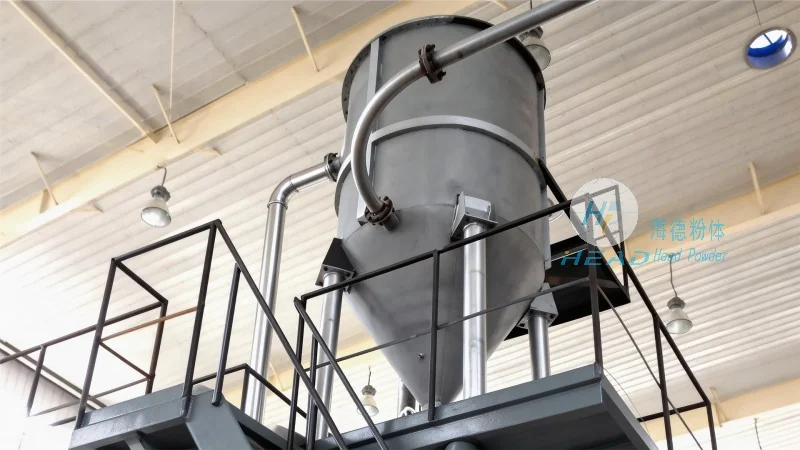
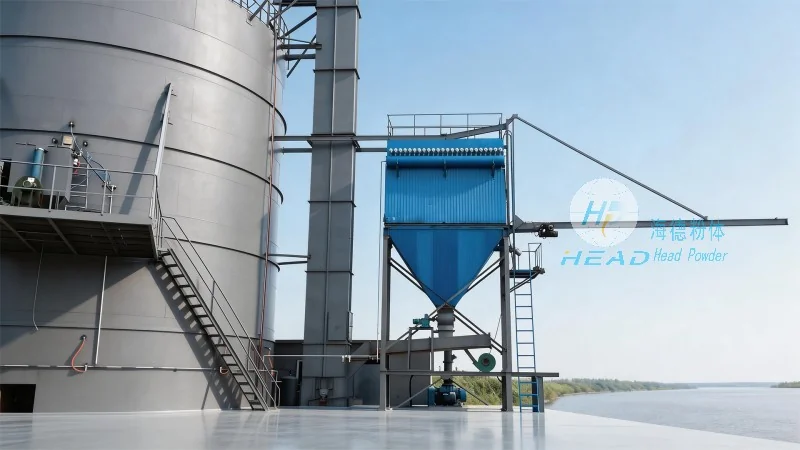
A pneumatic conveying system for zinc oxide powder operates by utilizing compressed air to transport the material through a network of pipes. The process begins with the material being fed into a hopper or feeder, where it is then mixed with a controlled amount of air. This mixture creates a slurry or dilute phase flow, allowing the powder to be transported efficiently over long distances without the need for mechanical components like belts or buckets. The system typically includes components such as a blower, filter, and control valves to regulate the air flow and ensure consistent material transport. The air pressure and flow rate are carefully calibrated to match the specific characteristics of zinc oxide powder, such as its density, particle size, and moisture content, to prevent blockages and maintain system efficiency.
Key Features of the Pneumatic Conveying System for Zinc Oxide Powder
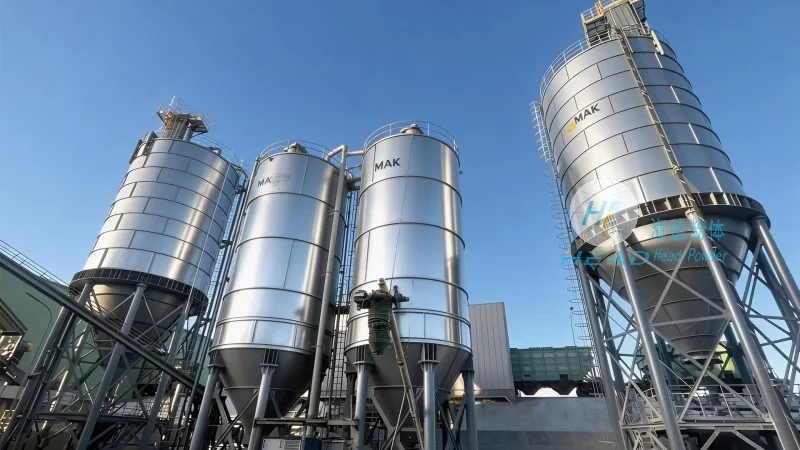
The pneumatic conveying system for zinc oxide powder offers several distinct advantages that make it an ideal choice for industrial applications. Firstly, it provides a clean and hygienic method of material handling, which is particularly important in pharmaceutical and food processing industries where contamination control is paramount. Unlike traditional mechanical conveying methods, pneumatic systems do not come into direct contact with the material, reducing the risk of cross-contamination and ensuring product purity. Secondly, the system is highly efficient in terms of energy consumption and operational costs. By using compressed air as the primary transport medium, it eliminates the need for moving parts that require regular maintenance, thereby reducing downtime and maintenance expenses. Additionally, the system allows for precise control over the flow rate and pressure, enabling accurate dosing and batching of zinc oxide powder, which is crucial for quality control in manufacturing processes. Another notable feature is its ability to handle materials with varying properties, including fine powders and those with high moisture content, without causing agglomeration or degradation. This flexibility makes the system adaptable to different production requirements and scale-up operations. Finally, the system is designed for easy integration into existing production lines, with modular components that can be customized to fit specific plant layouts and operational needs. This adaptability ensures that the system can be seamlessly incorporated into existing workflows, minimizing disruption during installation and operation.
Customization and Application in Industrial Settings
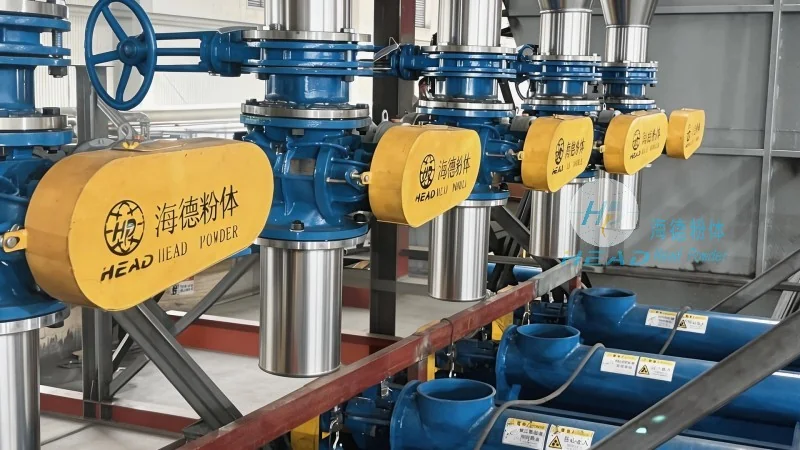
HeadPowder, as a leading provider of pneumatic conveying solutions, offers tailored systems that cater to the unique requirements of zinc oxide powder handling. The company’s engineers work closely with clients to understand their specific production processes, material characteristics, and operational constraints to design a system that maximizes efficiency and reliability. For example, in pharmaceutical applications, the system may be equipped with additional filtration and sterilization components to meet stringent regulatory standards. In ceramic manufacturing, the system might be optimized for high-temperature environments and heavy-duty operation. The customization process includes selecting appropriate air velocities, pipe diameters, and material handling equipment to ensure optimal performance. Furthermore, the system is designed with safety features such as pressure relief valves and emergency shut-off mechanisms to protect against potential hazards. These features not only enhance operational safety but also comply with industry safety regulations, providing peace of mind to plant operators. The result is a robust, reliable, and efficient pneumatic conveying system that meets the demanding needs of modern industrial production, ensuring consistent quality and productivity.