

Working Principle and Features of Limestone Material Pneumatic Conveying Equipment
For industrial applications involving limestone handling, efficient and reliable material transport is crucial. Pneumatic conveying systems offer a sophisticated solution for moving limestone from one location to another within a facility or between sites. This article explores the working principle and key features of limestone material pneumatic conveying equipment, highlighting how it enhances operational efficiency and safety in material handling processes.
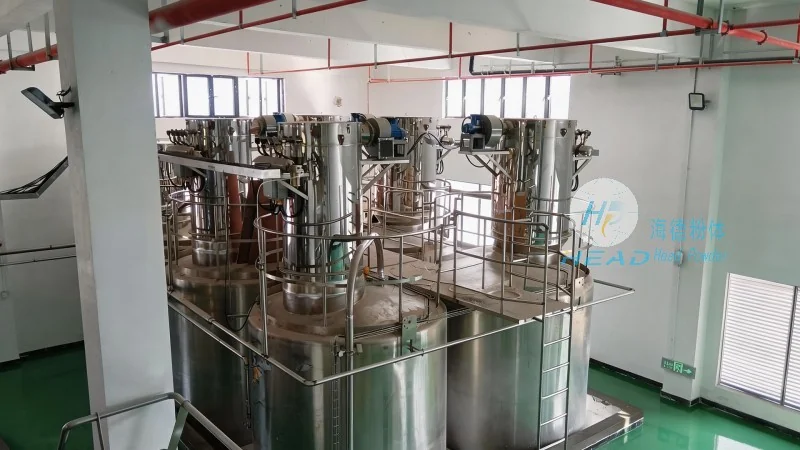
Understanding the Working Principle of Limestone Pneumatic Conveying Equipment
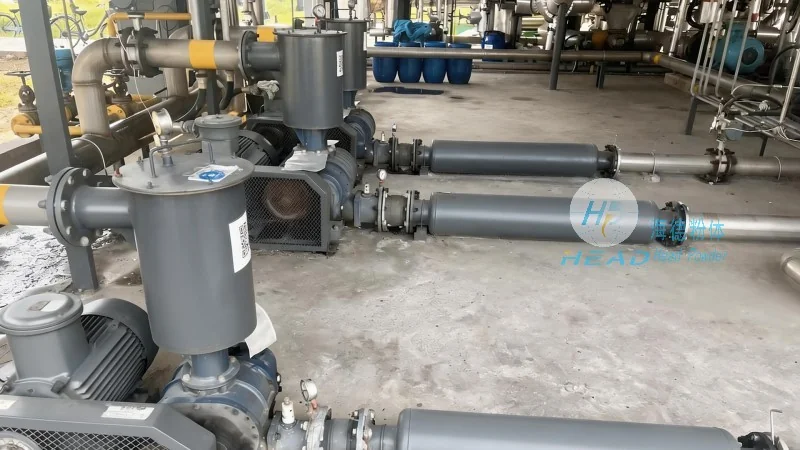
The core of a pneumatic conveying system for limestone is the ability to transport bulk material using air pressure. The process typically involves a series of components that work in tandem to move the limestone from the source to the destination. The equipment generally consists of a hopper or feeder, a conveying line, a receiver, and a control system. The limestone is first fed into the hopper, where it is then introduced into the conveying line under pressure. As the air moves through the line, it creates a flow that propels the limestone particles along the path. The system may use either positive pressure (where air is forced into the line) or negative pressure (where air is drawn out of the line) to achieve the desired transport. The choice of pressure type depends on factors such as the distance to be covered, the volume of material, and the characteristics of the limestone itself. The conveying line is often made of durable materials like stainless steel or plastic to withstand the abrasive nature of limestone particles and prevent blockages or wear. The receiver at the end of the line collects the limestone and may include a dust collection system to maintain air quality and comply with environmental regulations. The control system monitors the flow rate, pressure, and other parameters to ensure smooth and consistent operation.
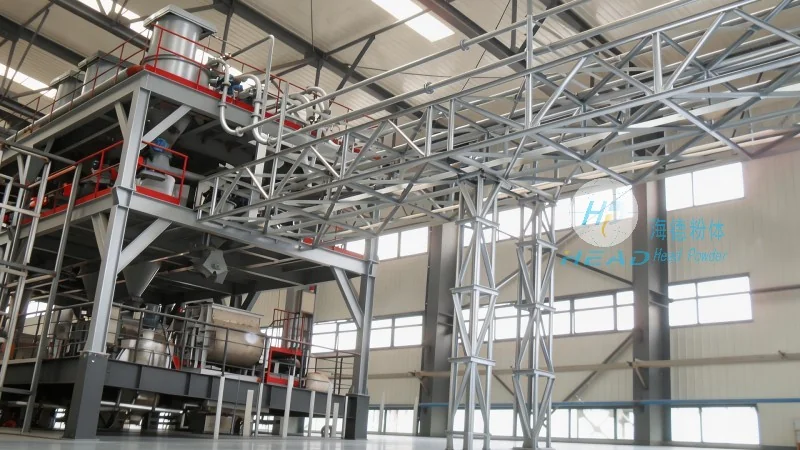
Key Features of Limestone Pneumatic Conveying Equipment
When evaluating limestone pneumatic conveying equipment, several key features stand out as critical for effective operation. First, the system's ability to handle abrasive materials is paramount. Limestone, being a hard and rough material, can cause significant wear on equipment components if not properly managed. High-quality materials of construction, such as stainless steel or specialized alloys, are used to minimize wear and extend the lifespan of the system. Second, the system's efficiency in terms of energy consumption is an important consideration. Modern pneumatic conveying systems are designed to optimize air usage, reducing energy costs while maintaining the required transport capacity. This is achieved through advanced control technologies that adjust air pressure and flow rates based on the material being conveyed. Third, the system's flexibility in handling varying material characteristics is a significant advantage. Limestone can vary in size, moisture content, and density, and the equipment must be able to accommodate these variations without compromising performance. The design of the hopper and feeder allows for consistent material feeding, preventing blockages and ensuring a steady flow. Fourth, the system's safety features are essential for industrial environments. Pneumatic conveying systems are equipped with safety valves, pressure relief mechanisms, and dust suppression systems to prevent accidents and protect personnel. These features ensure compliance with safety regulations and maintain a safe working environment. Additionally, the system's ability to integrate with other industrial processes is a key feature. It can be connected to existing equipment, such as crushers or storage silos, to form a seamless material handling workflow. This integration enhances overall operational efficiency and reduces downtime.
Benefits of Using Limestone Pneumatic Conveying Equipment
Implementing limestone pneumatic conveying equipment offers numerous benefits for industrial operations. One of the primary advantages is the reduction in labor costs. Manual handling of limestone is labor-intensive and poses safety risks. Pneumatic conveying systems automate the material transport process, reducing the need for manual labor and minimizing the risk of accidents. This leads to lower operational costs and improved workplace safety. Another significant benefit is the improvement in material quality. By using a closed system, the equipment prevents contamination from dust, moisture, or other external factors. This ensures that the limestone remains in its original state, maintaining its quality for downstream processes such as cement production or construction. The system also reduces material loss during transport, as the closed design minimizes spillage and dust emissions. This not only improves efficiency but also contributes to environmental sustainability by reducing waste and emissions. Furthermore, the system's ability to handle large volumes of material quickly and efficiently enhances production throughput. This is particularly important in industries where timely delivery of limestone is critical, such as in the cement and construction sectors. The consistent and reliable operation of the system ensures that production processes are not interrupted, leading to higher productivity and better customer satisfaction. Finally, the system's low maintenance requirements contribute to long-term cost savings. Modern pneumatic conveying equipment is designed with durable components and advanced monitoring systems that allow for early detection of potential issues. This reduces the need for frequent maintenance and repairs, extending the lifespan of the equipment and minimizing downtime.
Conclusion
In conclusion, limestone material pneumatic conveying equipment is a highly effective solution for industrial material handling. Its working principle, based on air pressure to transport bulk material, combined with key features such as durability, energy efficiency, and flexibility, makes it an ideal choice for limestone transport applications. The benefits of using this equipment, including reduced labor costs, improved material quality, enhanced production efficiency, and lower maintenance requirements, contribute to its widespread adoption in various industries. As industrial processes continue to evolve, the demand for efficient and reliable material transport systems will remain high, and pneumatic conveying equipment will continue to play a vital role in meeting these needs. For companies looking to optimize their limestone handling operations, investing in high-quality pneumatic conveying equipment from reputable manufacturers like Shandong HeadPowder Engineering Co., Ltd. can provide significant advantages in terms of operational efficiency, safety, and cost-effectiveness.