

Working Principle and Features of Bicarbonate of Soda Material Pneumatic Conveying Equipment
Pneumatic conveying systems are widely used in various industries for transporting bulk materials, including chemicals, powders, and granules. When it comes to handling bicarbonate of soda (baking soda), specialized equipment is required to ensure efficient and safe transportation. This article explores the working principle and key features of a bicarbonate of soda material pneumatic conveying machine, highlighting how such systems operate and the advantages they offer.
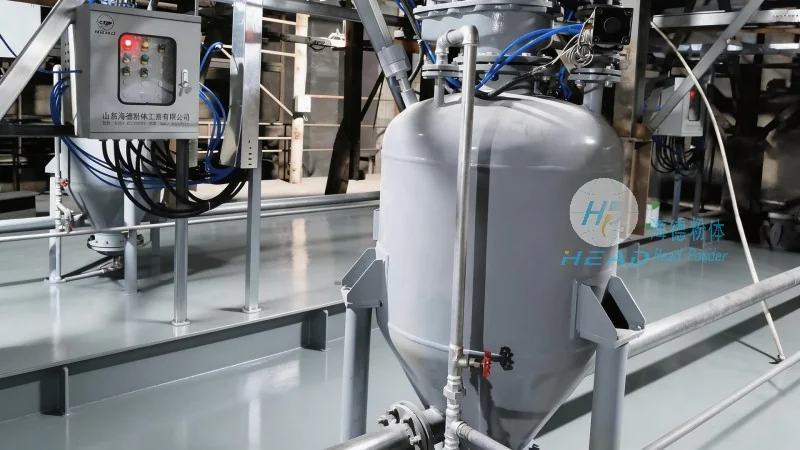
The working principle of a bicarbonate of soda pneumatic conveying machine typically involves the use of compressed air or other gases to transport the material through a network of pipes. There are two main types of pneumatic conveying systems: positive pressure and negative pressure. In positive pressure systems, air is blown into the conveying line, creating a pressure higher than the ambient air, which pushes the material forward. Conversely, negative pressure systems use suction to draw the material into the line, with the air being drawn out at the discharge end.
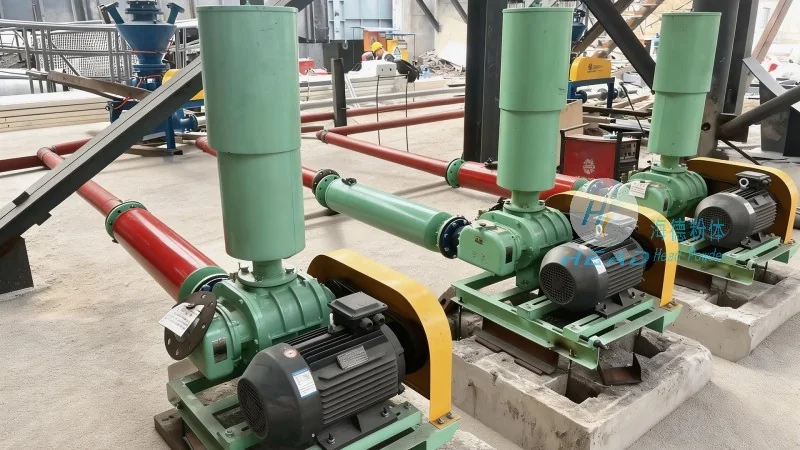
For bicarbonate of soda, which is a fine powder with low moisture content and relatively low density, a positive pressure system is often preferred. This approach ensures that the material is transported without clogging the pipes and maintains the integrity of the powder. The system consists of several key components, including a hopper for material storage, a rotary valve or feeder to control the flow rate, a compressor or air blower to generate the necessary pressure, and a pipeline network that connects the feeding point to the discharge point.
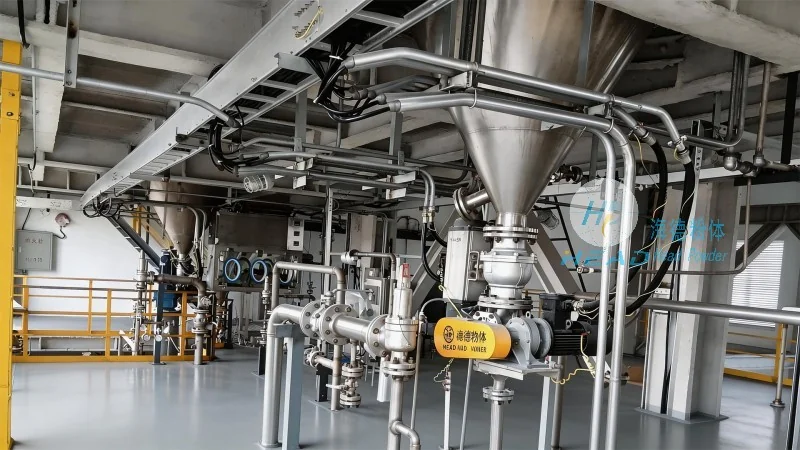
The feeding mechanism is critical in maintaining a consistent flow of bicarbonate of soda. A rotary valve, such as a star valve or a rotary airlock, is commonly used to regulate the material discharge from the hopper. This component ensures that the material is fed at a controlled rate, preventing overloading or underloading of the conveying line. The air blower or compressor provides the driving force, with the pressure and flow rate adjusted to match the material's characteristics and the system's requirements.
During the conveying process, the bicarbonate of soda is suspended in the air stream, forming a dense phase or dilute phase flow. The choice between these two depends on the system design and the material's properties. Dense phase conveying is more suitable for fine powders like bicarbonate of soda, as it minimizes particle segregation and maintains a uniform flow. This method involves higher air-to-material ratios, which helps in achieving a stable and efficient transport.
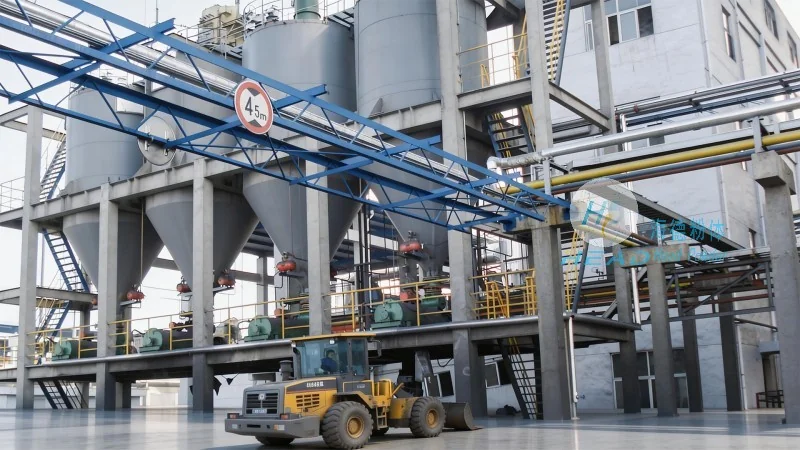
Key features of a bicarbonate of soda pneumatic conveying machine include high efficiency in material transport, reduced labor costs compared to traditional methods like bucket elevators or belt conveyors, and improved safety by eliminating the need for manual handling of powders. The system is also environmentally friendly, as it does not generate dust or require additional equipment for material containment. Additionally, the flexibility of pneumatic conveying allows for easy integration with existing production lines and the ability to transport materials over long distances without the need for multiple transfer points.