

Working Principle and Features of Pneumatic Conveying Lines for Seasoning Powder Materials
For industries dealing with powdered seasonings, efficient and reliable material handling is crucial. Pneumatic conveying lines offer a sophisticated solution to transport these fine materials from one location to another. This article explores the working principle and key features of such systems, providing insights into how they operate and why they are preferred in the food processing sector.
Working Principle of Pneumatic Conveying Lines
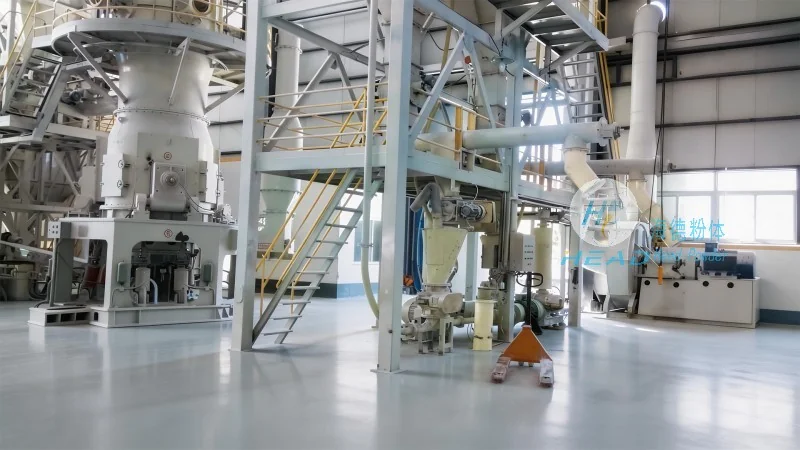
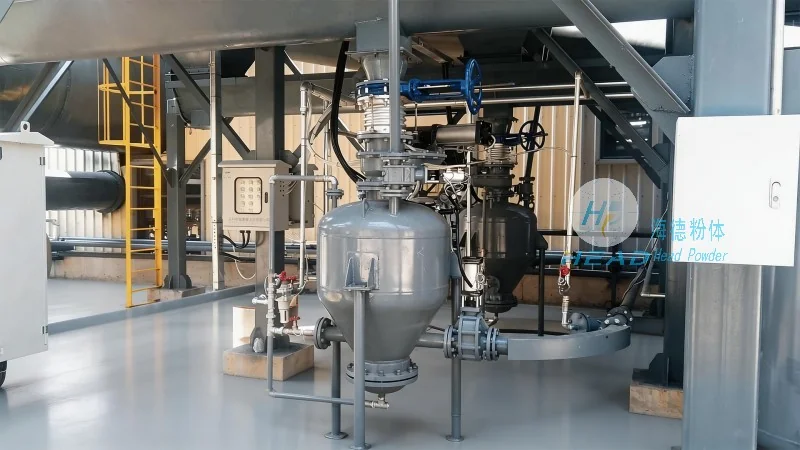
The working principle of a pneumatic conveying line for seasoning powders revolves around the movement of air and material through a sealed system. In a positive pressure system, a blower or compressor generates high-pressure air that is introduced into the material hopper. The air then lifts the powder particles and propels them through the conveying pipes. The system typically includes a hopper with a feeder, which controls the flow of powder into the line, and a series of straight or curved pipes that guide the material to the destination. At the receiving end, a cyclone separator or a filter separates the powder from the air. The air is either recirculated back to the blower or vented to the atmosphere, while the powder is collected in a receiving bin. Negative pressure systems operate by creating a vacuum at the receiving end, which draws the powder from the source into the line. The material is then transported towards the vacuum source, where it is collected. Both systems are designed to handle the fine particle size and low bulk density of seasoning powders, ensuring efficient and consistent transport.
Key Features and Advantages
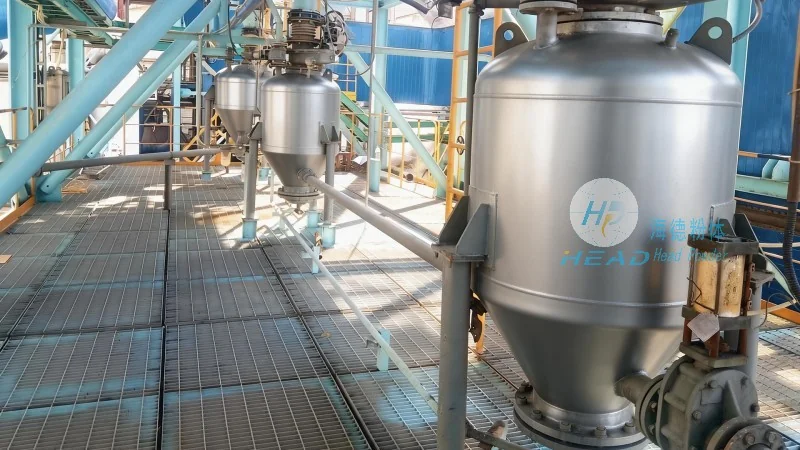
Several key features distinguish high-quality pneumatic conveying lines for seasoning powders. First, the system must be constructed from materials that are resistant to corrosion and easy to clean, such as stainless steel. This ensures that the product remains free from contaminants and that the equipment maintains its hygiene standards over time. Second, the conveying velocity is carefully optimized to prevent material degradation. Excessive velocity can cause the powder to break down or agglomerate, while insufficient velocity may lead to blockages. HeadPowder's systems use advanced control technology to maintain the ideal velocity, ensuring smooth and consistent transport. Third, the flexibility of the system allows for integration with various production layouts. Whether the application requires vertical, horizontal, or a combination of both, the conveying line can be customized to fit the space and workflow. Additionally, the system's ability to handle varying flow rates makes it suitable for both small-scale and large-scale production, providing scalability for growing businesses. The use of efficient dust collection systems also minimizes environmental impact and ensures compliance with local regulations.
Why Choose HeadPowder Engineering for Pneumatic Conveying Solutions
HeadPowder Engineering Co., Ltd., based in Shandong, China, is a trusted provider of pneumatic conveying systems specifically designed for the seasoning industry. The company's commitment to quality and innovation has made it a leader in the field, with a reputation for delivering reliable and efficient solutions. HeadPowder's engineers work closely with clients to understand their specific material handling challenges and design systems that meet their unique requirements. The company's manufacturing facilities are equipped with state-of-the-art technology, ensuring that each system is built to the highest standards of durability and performance. The systems are also designed with user-friendly features, such as easy access to components for maintenance and cleaning, reducing downtime and operational costs. By choosing HeadPowder, businesses can benefit from a partner that not only provides a high-quality product but also offers comprehensive support throughout the lifecycle of the system. The company's focus on customer satisfaction and long-term partnerships has earned it a loyal customer base in the food processing industry.