

Working Principle and Features of Activated Carbon Powder Material Pneumatic Conveying Line
For industrial applications involving the handling of activated carbon powder, the selection of an efficient and reliable material conveying system is crucial. Pneumatic conveying lines, specifically designed for activated carbon powder, offer a solution that addresses the unique challenges associated with this material. This article explores the working principle and key features of such systems, providing insights into their functionality and benefits.
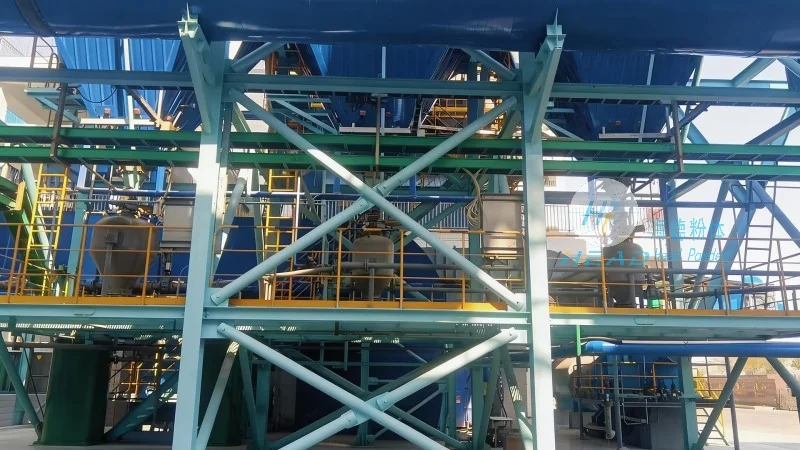
Introduction to Activated Carbon Powder Pneumatic Conveying Systems
Activated carbon powder is widely used in various industries, including water treatment, air purification, and chemical processing. The handling of this fine, abrasive material requires specialized equipment to ensure minimal product degradation and efficient transport. Pneumatic conveying systems utilize air or gas to move the powder from one location to another, eliminating the need for mechanical components that could cause contamination or damage to the material.
Working Principle of Activated Carbon Powder Pneumatic Conveying Lines
The core mechanism of an activated carbon powder pneumatic conveying line involves the generation of a pressure differential to transport the material. The system typically consists of a hopper, a conveying line, and a receiver. The process begins with the material being fed into the hopper. A fan or blower then creates a vacuum or pressure within the system, causing the air to flow through the conveying line and carry the activated carbon powder along with it. The material is then deposited into the receiver at the destination point. The design of the system, including the type of air flow (e.g., dilute phase or dense phase), influences the efficiency and capacity of the conveying process.
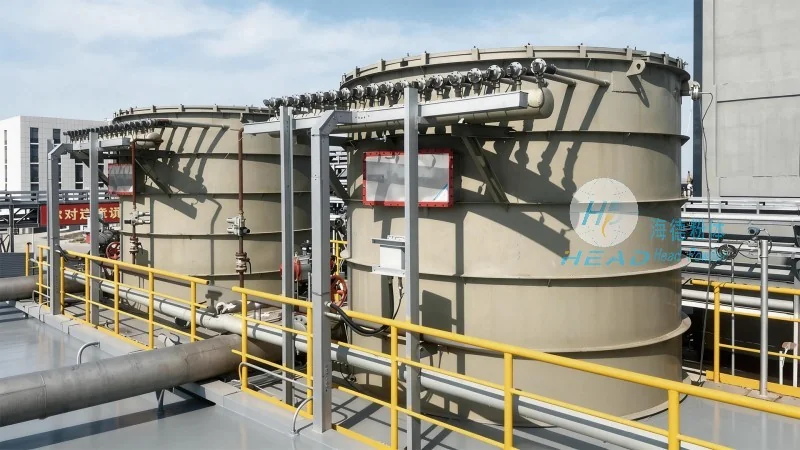
Key Features of Activated Carbon Powder Pneumatic Conveying Systems
Several key features distinguish effective activated carbon powder pneumatic conveying systems. Firstly, the system must be capable of handling fine, abrasive powders without causing clogging or blockages. This is achieved through the use of smooth, corrosion-resistant materials for the conveying line and appropriate filter systems to prevent dust accumulation. Secondly, the system should maintain the purity of the activated carbon powder, preventing contamination from external sources. This is critical in applications where the material is used for filtration or adsorption processes. Thirdly, the system offers flexibility in terms of layout and integration with existing industrial setups. It can be customized to accommodate different production volumes and spatial constraints. Additionally, modern systems often incorporate advanced control technologies, allowing for precise regulation of air flow and material feed rates to optimize performance and energy efficiency.
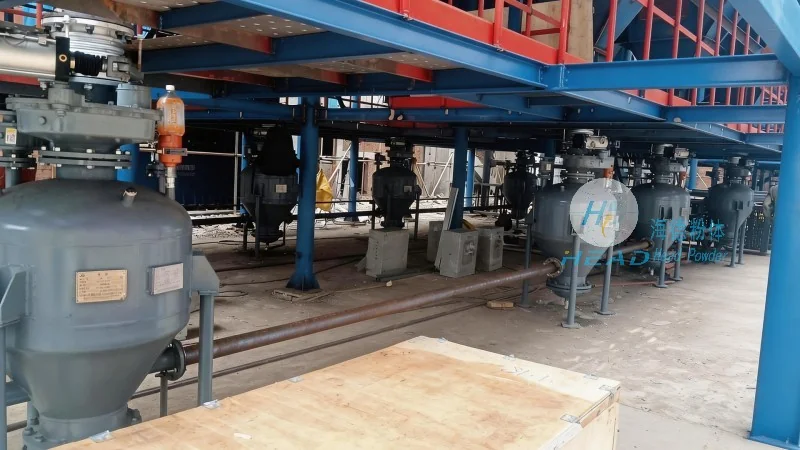
Benefits of Using Activated Carbon Powder Pneumatic Conveying Lines
Implementing an activated carbon powder pneumatic conveying line brings several advantages to industrial operations. One of the primary benefits is the reduction in labor costs associated with manual handling of the material. The automated system minimizes the risk of human error and exposure to dust, enhancing workplace safety. Furthermore, the system improves product quality by ensuring consistent particle size and preventing agglomeration, which can affect the material's performance. The efficiency of the conveying process also leads to reduced downtime and increased production throughput. In addition, the system's ability to handle the material in a closed environment helps maintain environmental standards by containing dust and preventing air pollution.
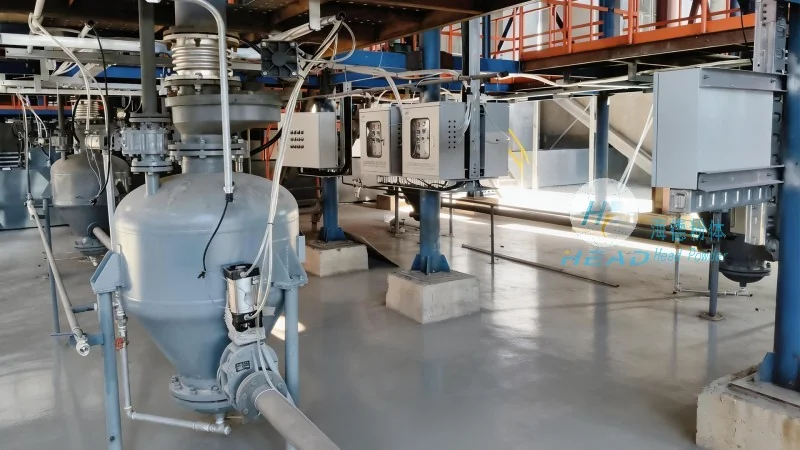
Customization and Application Considerations
Given the diverse applications of activated carbon powder, pneumatic conveying systems are often customized to meet specific operational requirements. Factors such as the required conveying distance, material flow rate, and environmental conditions influence the system design. For example, in water treatment plants, the system may need to handle large volumes of activated carbon powder over long distances, requiring a high-capacity, dense phase system. In contrast, applications in pharmaceutical or food processing industries may demand a more gentle conveying method to preserve the material's properties. The choice between dilute phase and dense phase conveying also depends on the material's characteristics and the desired transport efficiency. Dilute phase systems are suitable for short distances and low to medium flow rates, while dense phase systems are preferred for longer distances and higher flow rates, as they provide better control over the material's velocity and reduce the risk of particle degradation.
Conclusion
In summary, activated carbon powder pneumatic conveying lines are sophisticated systems that leverage air or gas to transport fine materials efficiently and safely. Their working principle, based on pressure differentials and controlled air flow, ensures minimal product loss and contamination. The key features, including material handling capabilities, environmental protection, and system flexibility, make these systems ideal for various industrial applications. By understanding the working principle and features of such systems, industries can make informed decisions to enhance their operational efficiency and product quality. As a leading provider in this field, Shandong HeadPowder Engineering Co., Ltd. specializes in designing and manufacturing customized pneumatic conveying solutions tailored to the unique needs of activated carbon powder handling, ensuring optimal performance and reliability.