

Working Principle and Features of PUR Material Pneumatic Conveying Equipment
For industrial applications involving polyurethane (PUR) materials, efficient and reliable material handling is crucial. Pneumatic conveying systems, particularly those designed for PUR materials, offer a sophisticated solution that combines functionality with performance. This article delves into the working principle and key features of PUR material pneumatic conveying equipment, highlighting how it addresses the unique challenges of handling such materials while ensuring optimal operational efficiency.
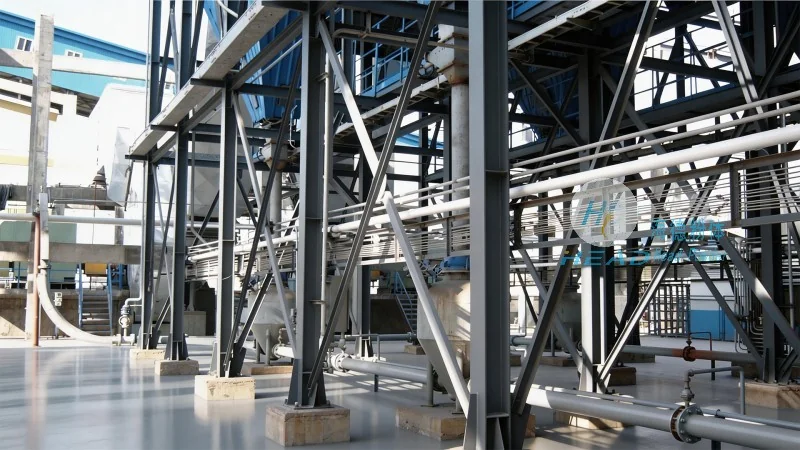
PUR, or polyurethane, is a versatile polymer widely used in various industries, including automotive, construction, and manufacturing. Its handling requires specialized equipment due to the material's properties, such as its tendency to agglomerate or generate dust. Pneumatic conveying systems provide an effective method to transport PUR materials from one location to another without the need for mechanical components like belts or chains, reducing maintenance and operational costs.
Working Principle of PUR Material Pneumatic Conveying Equipment
The core of a pneumatic conveying system is the ability to use air to transport bulk materials. In the case of PUR material pneumatic conveyors, the system operates on the principle of creating a pressure differential between the inlet and outlet. There are two primary types of pneumatic conveying systems: suction (or vacuum) and pressure systems. The choice of system depends on the distance, material characteristics, and application requirements.
In a suction system, a vacuum is created at the material inlet, drawing the PUR material into the conveying line. The material is then carried by the airflow to the discharge point. This method is ideal for short to medium distances and for materials that are not overly abrasive or sticky. The suction system typically uses a rotary valve or a star feeder at the inlet to control the material flow and prevent blockages.
Conversely, a pressure system operates by forcing air through the material, using a positive pressure at the discharge end. This approach is suitable for longer distances and for materials that are more abrasive or require higher transport speeds. The pressure system often incorporates a blower or a positive displacement pump to generate the necessary pressure, ensuring consistent material flow.
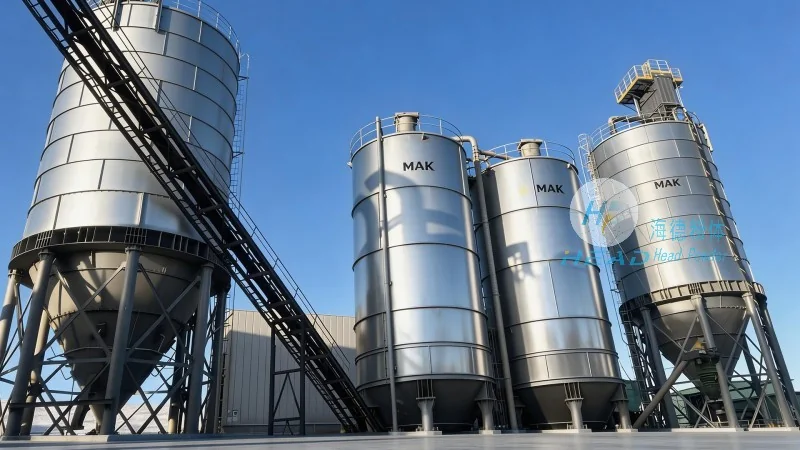
Both systems involve a series of components, including a hopper for material storage, a feeder to control the material feed rate, a conveying line (usually made of stainless steel or other corrosion-resistant materials to handle PUR's chemical properties), and a receiver or discharge hopper at the end. The air flow is managed by a filter and a silencer to ensure clean air and reduce noise. The entire system is designed to maintain the integrity of the PUR material, preventing degradation or contamination during transport.
Key Features of PUR Material Pneumatic Conveying Equipment
PUR material pneumatic conveying equipment is characterized by several features that make it an attractive option for industrial applications. These features are tailored to address the specific needs of handling PUR materials, ensuring high performance and reliability.
Firstly, the system offers high efficiency in material transport. By using air as the conveying medium, the equipment can move large volumes of PUR material quickly and with minimal energy consumption compared to traditional mechanical systems. This efficiency is particularly important in high-volume production environments where downtime and operational costs need to be minimized.
Secondly, the equipment is designed for durability and resistance to the chemical properties of PUR materials. The conveying line and other components are typically made from stainless steel or other corrosion-resistant materials, which can withstand the potential for material buildup or chemical reactions. This durability reduces the need for frequent maintenance and replacement, extending the equipment's service life.
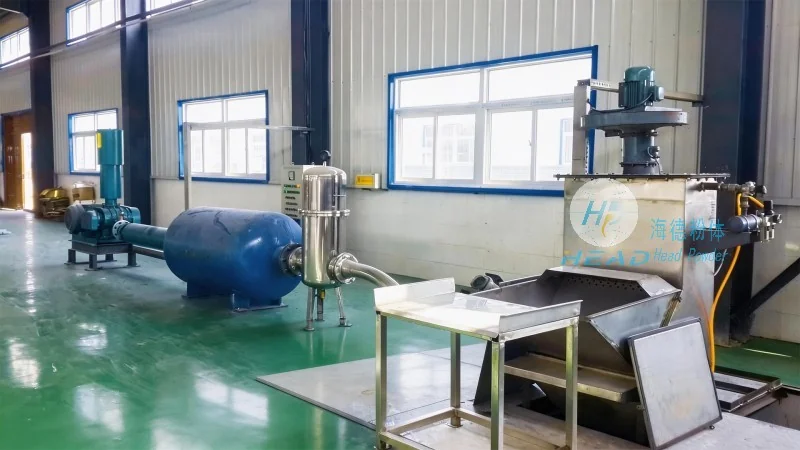
Thirdly, the system provides excellent control over material flow. The feeder and control mechanisms allow for precise regulation of the material feed rate, ensuring consistent and uniform transport. This control is critical for maintaining product quality and preventing overloading or underloading of downstream processes.
Fourthly, the pneumatic conveying system is environmentally friendly and safe. Unlike mechanical systems that may generate dust or require lubrication, pneumatic systems operate with clean air, reducing the risk of dust explosions and improving workplace safety. Additionally, the absence of moving parts in the conveying line minimizes the risk of material contamination, which is essential for maintaining the purity of PUR materials used in sensitive applications.
Application Considerations for PUR Material Pneumatic Conveying Equipment
When selecting PUR material pneumatic conveying equipment, several factors need to be considered to ensure optimal performance and suitability for the specific application. These factors include the material's properties, the distance to be covered, and the required throughput.
The material's characteristics, such as its bulk density, flowability, and tendency to agglomerate, play a significant role in determining the appropriate system type. For example, if the PUR material is prone to clumping, a suction system with a rotary valve may be more effective in preventing blockages. Conversely, if the material is more free-flowing and requires high transport speeds, a pressure system may be preferable.
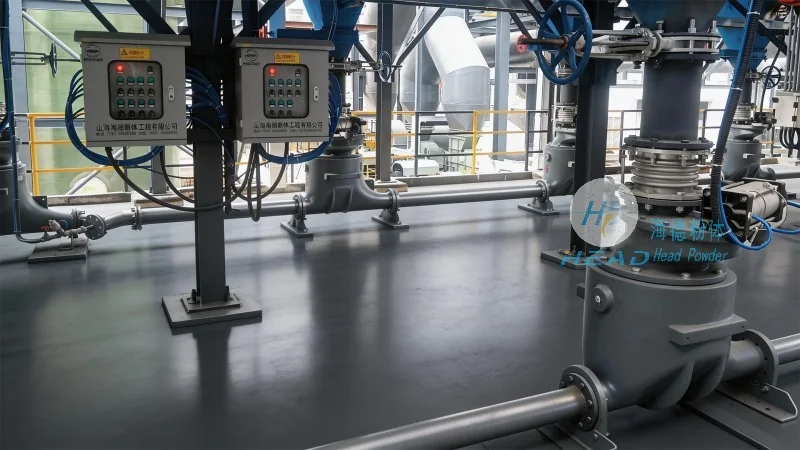
The distance between the material source and the discharge point is another critical factor. Suction systems are generally limited to shorter distances (typically up to 50 meters) due to the pressure drop in the line, while pressure systems can handle longer distances (up to several hundred meters) with higher efficiency.
Finally, the required throughput or production rate influences the system's design. Higher throughput may necessitate larger conveying lines, more powerful air sources, or additional feeding mechanisms to maintain consistent material flow. Proper sizing and configuration of the equipment are essential to meet the operational demands without compromising performance or safety.
Conclusion
PUR material pneumatic conveying equipment represents a sophisticated and efficient solution for handling polyurethane materials in industrial settings. By leveraging the principles of pneumatic transport, these systems offer high performance, durability, and environmental benefits while addressing the unique challenges of PUR material handling. With careful consideration of application requirements and system design, PUR material pneumatic conveyors can significantly enhance operational efficiency and product quality in various industries.
As a leading provider of industrial material handling solutions, Shandong HeadPowder Engineering Co., Ltd. specializes in designing and manufacturing customized pneumatic conveying systems tailored to the specific needs of PUR material applications. With a focus on quality, innovation, and customer satisfaction, HeadPowder offers reliable equipment that meets the highest standards of performance and durability. Based in Shandong, China, the company leverages its expertise to deliver solutions that optimize material transport processes and contribute to the success of industrial operations worldwide.