

Principle and Working Scene Characteristics of Small Bag Quantitative Feeding Pneumatic Conveying
Small bag quantitative feeding pneumatic conveying is a specialized technology used in material handling and processing industries. It involves the precise transfer of bulk materials from small bags into a pneumatic conveying system, ensuring accurate and controlled feeding rates. This method combines the advantages of traditional bag handling with the efficiency of pneumatic transport, making it suitable for various industrial applications where material consistency and process control are critical.
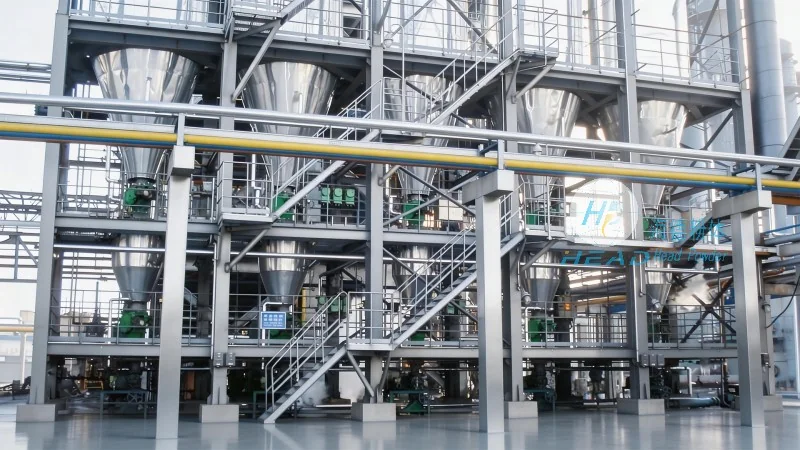
Principle of Small Bag Quantitative Feeding Pneumatic Conveying
The core principle of this technology is to automate the process of extracting material from small bags and delivering it to a processing unit or storage system through an air-driven pipeline. The system typically includes components such as a bag opening mechanism, a hopper for collecting the material, a rotary valve or feeder for controlling the flow rate, and a pneumatic conveying line with a receiver for the final material. The operation relies on the creation of a pressure differential, where compressed air or vacuum is used to move the material particles through the pipeline. The quantitative feeding aspect is achieved through precise control of the feeder, which can be adjusted to deliver a specific volume or weight of material per cycle, ensuring consistent feed rates for downstream processes.
Key Components and Their Functions
Several key components work together to enable the small bag quantitative feeding process. The bag opening device, often a mechanical or pneumatic cutter, safely opens the small bags without damaging the material inside. The hopper or receiving bin collects the material as it is discharged from the bags, preventing spillage and maintaining a stable feed. The feeder, which may be a screw feeder, vibratory feeder, or rotary valve, regulates the flow rate by controlling the speed or position of the moving parts. This component is critical for achieving the desired quantitative accuracy. The pneumatic conveying line, equipped with appropriate fittings and valves, transports the material from the hopper to the destination. The receiver at the end of the line collects the material and may include a discharge mechanism to transfer it to the next stage of the process. Each component is designed to work in harmony, ensuring smooth and reliable operation.
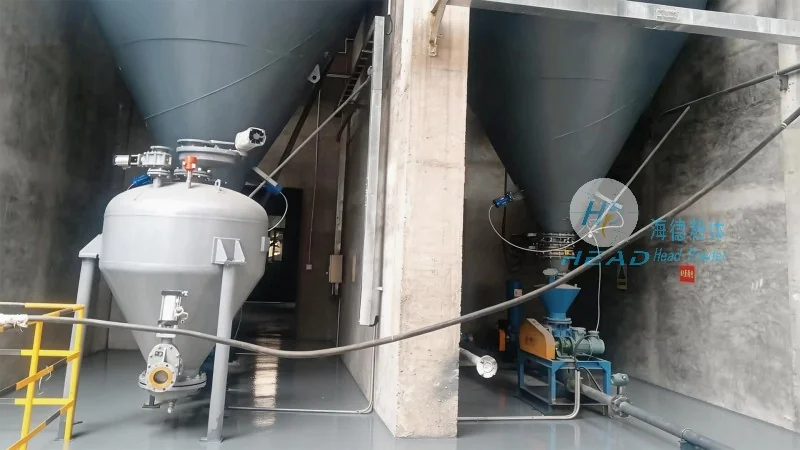
Working Scene Characteristics and Applications
Small bag quantitative feeding pneumatic conveying is particularly well-suited for industrial environments where materials are supplied in small bags, such as powders, granules, or fine particles. Common applications include pharmaceutical manufacturing, food processing, chemical production, and mineral processing. In these scenarios, the technology offers several advantages: it reduces manual labor by automating the bag opening and material transfer, minimizes material loss and contamination by using enclosed systems, and provides precise control over feed rates, which is essential for maintaining product quality and process efficiency. The system can handle a wide range of materials, from low-density powders to high-density granules, and can be adapted to different bag sizes and types, making it versatile for various production lines.
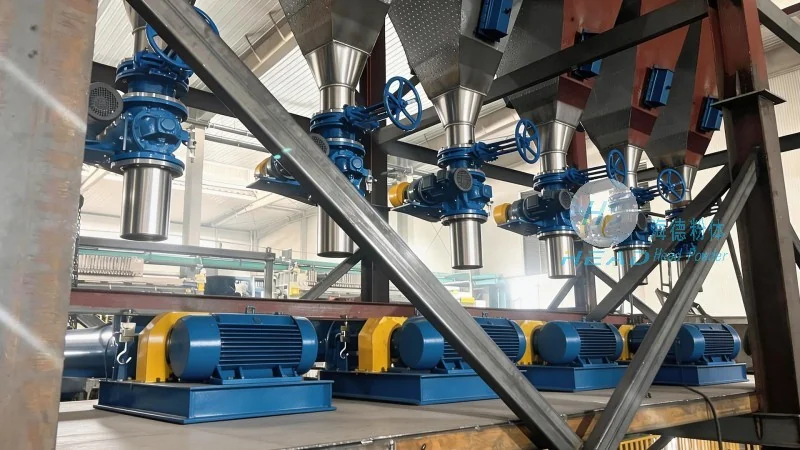
Advantages of Small Bag Quantitative Feeding Pneumatic Conveying
Compared to traditional manual bag emptying methods, small bag quantitative feeding pneumatic conveying offers significant benefits. The automated process increases operational efficiency and reduces labor costs, as it eliminates the need for workers to handle heavy bags or perform repetitive tasks. The enclosed system prevents dust and material contamination, improving workplace safety and product purity. Precise control over feed rates ensures consistent material flow to downstream equipment, reducing variability in product quality and minimizing waste. Additionally, the technology can handle multiple bags simultaneously, increasing throughput and productivity. These advantages make it a preferred solution for industries that require high standards of material handling and process control.
About Shandong HeadPowder Engineering Co., Ltd.
Shandong HeadPowder Engineering Co., Ltd., commonly known as HeadPowder, is a leading provider of material handling solutions, specializing in pneumatic conveying systems and related equipment. With a focus on innovation and quality, the company has developed advanced technologies for efficient and reliable material transfer. HeadPowder's products are designed to meet the diverse needs of industrial clients, offering customized solutions that enhance productivity and ensure compliance with industry standards. The company is committed to delivering high-performance equipment that supports the smooth operation of production lines and contributes to the overall success of its clients' businesses. HeadPowder's expertise in small bag quantitative feeding pneumatic conveying reflects its dedication to providing cutting-edge solutions for modern material handling challenges.