

Principle and Working Scene Characteristics of Chromic Oxide Pneumatic Conveying Systems
Chromic oxide, a critical industrial material, is frequently transported using pneumatic conveying systems. These systems leverage air or gas to move powders such as chromic oxide through pipelines. The technology offers benefits like dust control, reduced material degradation, and efficient handling. Understanding the principles and operational characteristics of such systems is essential for optimizing material transport in industrial environments.
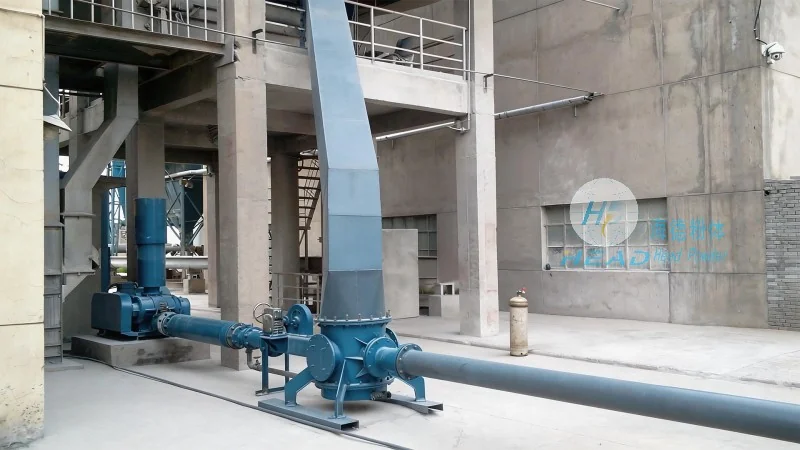
Principle of Pneumatic Conveying for Chromic Oxide
The fundamental principle of pneumatic conveying involves creating a flow of air or gas that propels chromic oxide particles through a pipeline. This can be accomplished via positive pressure (where air is forced into the system) or negative pressure (where air is drawn out). The system typically comprises components like a hopper for material storage, a conveyor line with appropriate diameter and length, and a receiver for discharged material. The velocity of the air and the size of the particles are pivotal factors that determine the efficiency and effectiveness of the conveying process. For chromic oxide, a fine powder, the system must be designed to prevent particle agglomeration and ensure smooth flow.
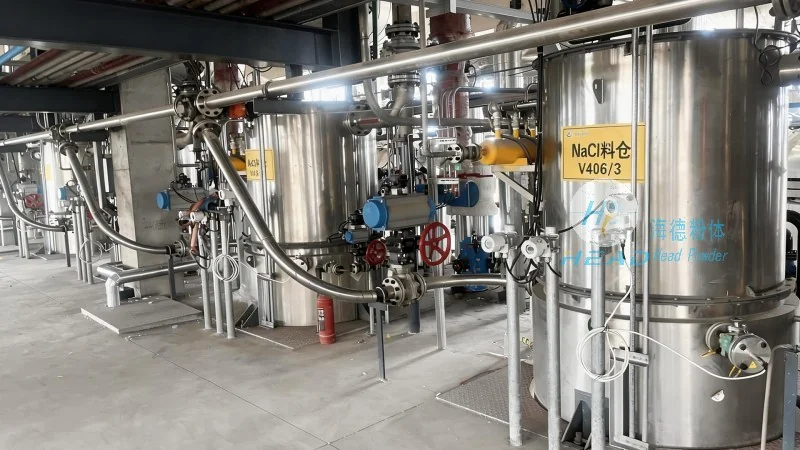
Key Components and Their Roles
Several components are integral to a chromic oxide pneumatic conveying system. The hopper serves as the storage and feeding unit, ensuring a consistent material supply. The conveyor line, often constructed from materials resistant to corrosion and abrasion (e.g., stainless steel or specialized alloys), transports the powder. The air or gas source, typically a blower or compressor, provides the necessary pressure or suction. The control system manages flow rate and pressure, while the receiver collects material at the end of the line. Each component must be carefully selected and maintained to ensure reliable and efficient operation.
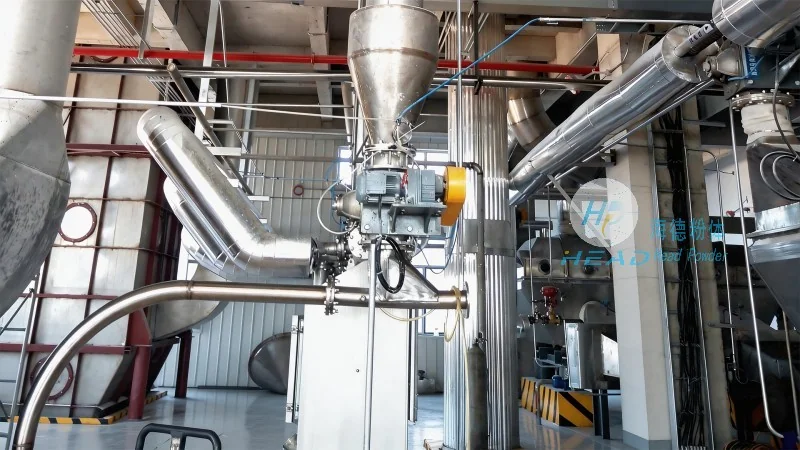
Working Scene Characteristics
The working scene characteristics of chromic oxide pneumatic conveying systems vary based on application and operational scale. In small-scale industrial settings, systems may transport chromic oxide from a storage silo to a processing unit, with a relatively short conveyor line. In larger industrial plants, systems handle higher volumes and cover longer distances, requiring robust components and advanced control mechanisms. The operational environment also matters; for example, in facilities prioritizing dust control, systems may include additional filtration and sealing components to minimize emissions. Temperature and humidity conditions can affect material performance and system operation, necessitating appropriate design considerations.

Advantages and Considerations
Pneumatic conveying systems for chromic oxide offer advantages such as closed-system transport, reducing contaminant exposure and enhancing safety. They also minimize material degradation by avoiding direct mechanical contact, crucial for fine powders like chromic oxide. However, systems require careful design and maintenance to prevent blockages or pressure fluctuations. Installation and operational costs, along with energy consumption from the air or gas source, must be considered. Regular monitoring and maintenance of system components are vital for optimal performance.