

Principle and Application Scenarios of Limestone Pneumatic Conveying Systems
Understanding the operational principles and application characteristics of limestone pneumatic conveying systems is crucial for industries dealing with bulk material handling, particularly in the processing of limestone and related materials. This article provides an in-depth look at the technology, its working mechanisms, and typical scenarios where such systems are deployed, all while highlighting the expertise of Shandong HeadPowder Engineering Co., Ltd. from China.
Introduction to Limestone Pneumatic Conveying Systems
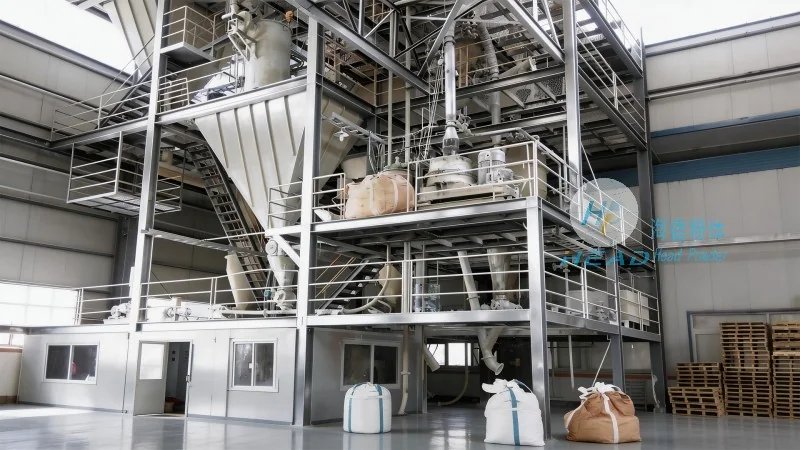
Limestone pneumatic conveying systems are engineered to transport limestone and other bulk particulate materials through a pipeline using air as the primary conveying medium. Unlike traditional mechanical conveyors, these systems rely on the kinetic energy of air to move materials, offering advantages such as reduced equipment wear, lower maintenance requirements, and the ability to handle materials in a dust-free or controlled environment. The technology is widely adopted in industries like mining, cement production, and chemical processing, where efficient and safe material transport is essential.

Principle of Pneumatic Conveying
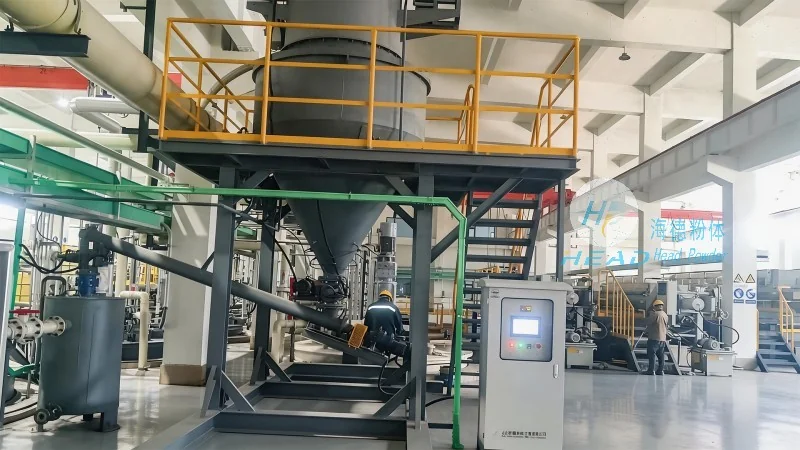
The core principle of pneumatic conveying involves creating a pressure differential to move materials. In a typical system, a blower or compressor generates high-pressure air that is introduced into the conveying line. The material is then fed into the system, often via a rotary valve or feeder, and is carried along by the air stream. The system can operate in either positive pressure (where the entire system is under pressure) or negative pressure (suction) modes, depending on the application and material characteristics. Key components include the air supply unit, material feeder, conveying pipeline, separation and cleaning equipment, and the final discharge point. The design of these components is critical to ensure efficient material transport, minimize air loss, and maintain system reliability.
Key Features and Advantages
Several key features make limestone pneumatic conveying systems highly effective for industrial applications. First, they offer a dust-free or enclosed transport solution, which is vital for maintaining workplace safety and compliance with environmental regulations. Second, the systems are compact and can be installed in various layouts, including vertical, horizontal, or mixed configurations, to suit the space constraints of different facilities. Third, they provide high material throughput with minimal downtime, as there are no moving parts in direct contact with the material (except for the feeder), reducing wear and tear. Additionally, these systems can handle a wide range of particle sizes and moisture content, making them versatile for different limestone grades and processing needs. The energy efficiency of modern pneumatic conveying systems has also improved, with optimized air flow and pressure control reducing operational costs over time.
Application Scenarios and Industry Use Cases
Limestone pneumatic conveying systems are applied in diverse industrial settings, each tailored to the specific requirements of the process. In mining operations, these systems are used to transport crushed limestone from the mine site to processing plants or storage areas, ensuring a continuous supply of raw material. In cement production, they play a critical role in moving limestone from storage silos to the raw mill, where it is ground into fine powder for cement production. The systems are also utilized in chemical plants for handling limestone as a raw material or as a neutralizing agent in waste treatment processes. Furthermore, in environmental applications, such as flue gas desulfurization (FGD) systems, limestone is conveyed to reactors to capture sulfur dioxide from industrial emissions. Each of these scenarios benefits from the ability of pneumatic conveying to handle large volumes of material with minimal human intervention and reduced risk of material contamination.
Company Profile: Shandong HeadPowder Engineering Co., Ltd.
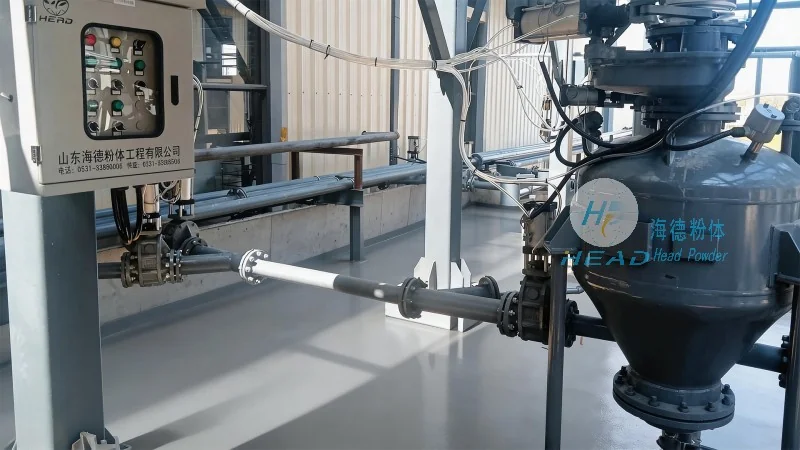
Shandong HeadPowder Engineering Co., Ltd., operating under the brand name headpowder, is a leading manufacturer and supplier of pneumatic conveying systems, including those specifically designed for limestone applications. Based in Shandong, China, the company specializes in customizing and installing systems that meet the unique needs of its clients. With years of experience in the industry, HeadPowder has developed a reputation for delivering high-quality, reliable equipment that enhances operational efficiency and safety in material handling processes. The company’s expertise lies in understanding the specific challenges of limestone processing, such as particle size variation and moisture content, and designing systems that address these challenges effectively. By combining advanced engineering with practical application knowledge, HeadPowder provides solutions that help industries improve productivity while adhering to environmental and safety standards.