

Principle and Working Scenario Characteristics of Flake Graphite Powder Pneumatic Conveying Systems
Flake graphite powder is a critical material in various industrial applications, and efficient handling of this material is essential for maintaining production efficiency and product quality. The pneumatic conveying system is a widely adopted technology for transporting flake graphite powder from one location to another within industrial facilities. This article explores the fundamental principles behind flake graphite powder pneumatic conveying systems and highlights the key working scenario characteristics that define their performance and suitability in different industrial environments.
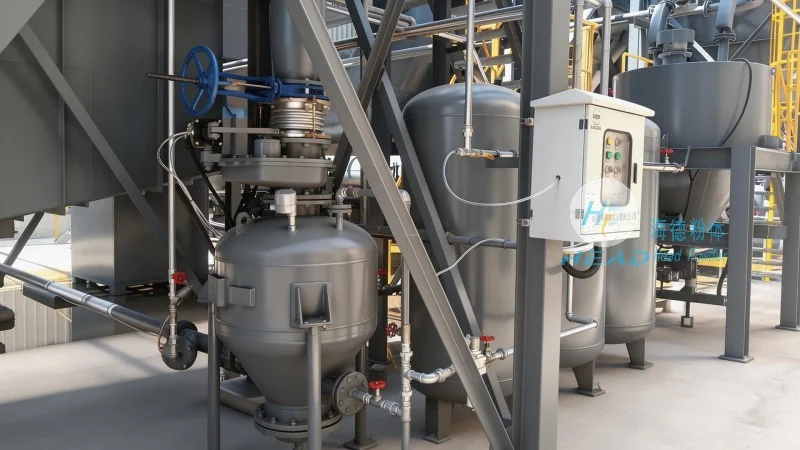
Understanding the Core Principles of Flake Graphite Powder Pneumatic Conveying
The pneumatic conveying system operates on the principle of using compressed air or gas to transport bulk materials through a pipeline. In the case of flake graphite powder, the system typically involves a combination of positive and negative pressure zones to ensure smooth and controlled movement of the material. The system comprises several key components, including a hopper for material storage, a feeder to control the flow rate, a conveying line, and a receiver for material discharge. The compressed air is introduced at specific points along the line to create a flow that propels the graphite powder particles through the pipeline. The design of the system must account for the physical properties of flake graphite, such as its density, particle size distribution, and tendency to agglomerate, to ensure optimal conveying performance.

Key Working Scenario Characteristics of Flake Graphite Powder Pneumatic Conveying Systems
The suitability of a flake graphite powder pneumatic conveying system for a particular application is determined by several working scenario characteristics. These include the distance and layout of the conveying route, the required flow rate and capacity, the environmental conditions within the facility, and the need for dust control and material containment. For instance, in a manufacturing plant where flake graphite is used as a lubricant or additive in the production of batteries, the system must be capable of handling high volumes of material over a relatively short distance while maintaining low dust emissions. In contrast, in a research laboratory setting, the system may need to handle smaller quantities of material with greater precision and control over particle size distribution. The choice of system design, such as the use of dilute-phase or dense-phase conveying, also influences the working scenario characteristics, as each approach has distinct advantages in terms of energy efficiency, material handling capacity, and suitability for different particle sizes and flow rates.
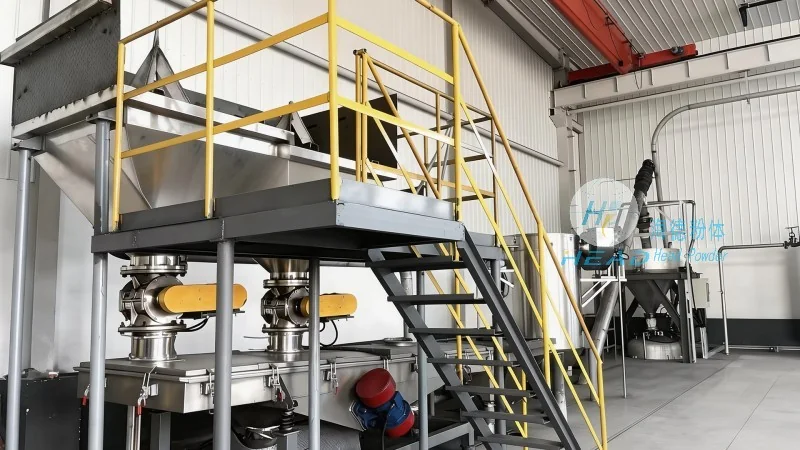
Industrial Applications and Performance Considerations
Flake graphite powder pneumatic conveying systems are employed in a variety of industrial applications, including the production of refractory materials, lubricants, and battery electrodes. The performance of these systems is critical to the overall efficiency of the production process, as any inefficiencies in material handling can lead to increased operational costs and reduced product quality. The system must be designed to minimize material degradation, such as attrition or agglomeration, which can affect the properties of the graphite powder. Additionally, the system should be capable of handling variations in material feed, such as fluctuations in particle size or moisture content, without compromising the conveying performance. The use of appropriate materials for the conveying line, such as stainless steel or specialized plastics, is essential to prevent corrosion and ensure the longevity of the system. Regular maintenance and monitoring of the system components, including the air compressor, feeder, and pipeline, are also necessary to ensure consistent performance and prevent downtime.

Company Overview: Shandong HeadPowder Engineering Co., Ltd.
Shandong HeadPowder Engineering Co., Ltd., commonly known as headpowder, is a leading provider of specialized engineering solutions for the handling and processing of bulk materials, including flake graphite powder. With a focus on innovation and customer-centric design, the company has developed advanced pneumatic conveying systems tailored to the unique requirements of various industrial sectors. Headpowder's expertise lies in understanding the complex properties of materials like flake graphite and translating this knowledge into efficient and reliable conveying solutions. The company's facilities are located in Shandong, China, where it leverages local resources and expertise to deliver high-quality products and services to clients worldwide. By combining technical expertise with practical experience, headpowder ensures that its pneumatic conveying systems meet the highest standards of performance, safety, and durability, making them ideal for a wide range of industrial applications.