

Principle and Working Scene Characteristics of Stainless Steel Bulk Bag Pneumatic Conveying System E
HeadPowder, a leading engineering company based in Shandong, China, specializes in the design, manufacturing, and installation of advanced stainless steel bulk bag pneumatic conveying systems. These systems represent a sophisticated solution for material handling, offering efficiency, hygiene, and versatility across various industrial applications.
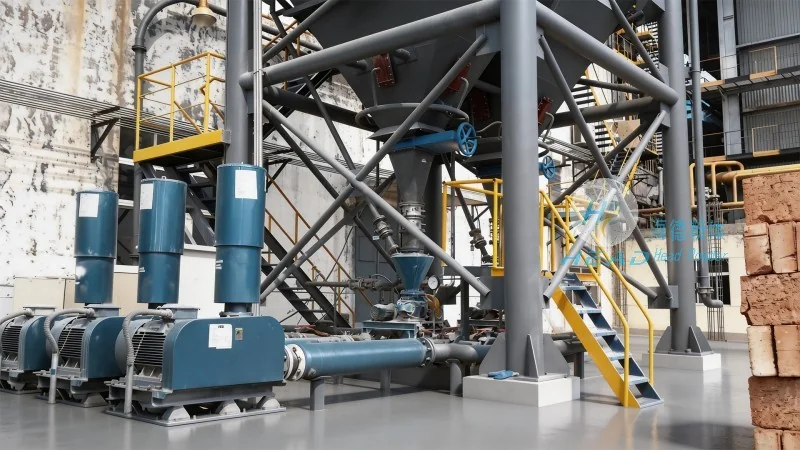
Overview of Stainless Steel Bulk Bag Pneumatic Conveying Systems
Stainless steel bulk bag pneumatic conveying systems are engineered to transport bulk materials from storage containers, such as bulk bags or IBCs, to processing equipment or storage facilities. The core principle involves using compressed air or other gases to create a flow of material through a pipeline network. This method eliminates the need for mechanical components like conveyor belts or buckets, reducing maintenance and enhancing operational safety.
Key Components and Working Principle
The system typically consists of several critical components: a bulk bag discharger, a hopper, a rotary airlock valve, a conveying pipeline, and a dust collector or filter system. The process begins when the bulk bag is placed in the discharger. Compressed air is introduced into the bag, causing it to expand and release the material into the hopper. The rotary airlock valve then regulates the flow of material into the conveying pipeline, where it is transported to the destination. The dust collector ensures that airborne particles are captured, maintaining air quality and compliance with environmental regulations.
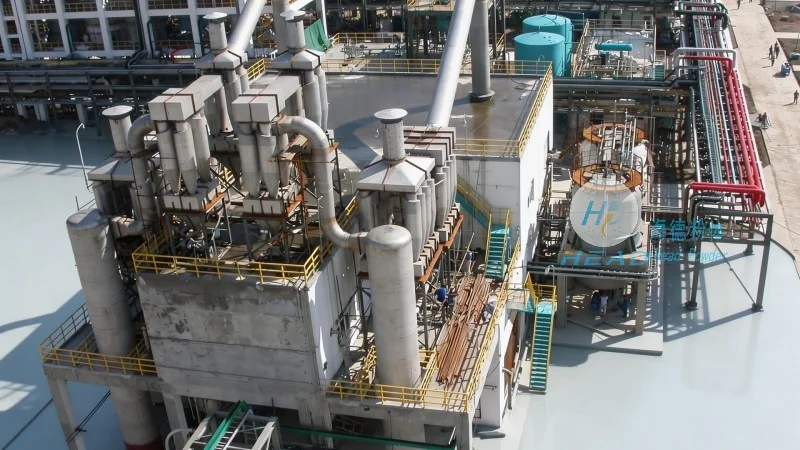
Advantages of Stainless Steel Construction
Utilizing stainless steel in the construction of these systems provides numerous benefits. Stainless steel is highly resistant to corrosion, ensuring long-term durability and reliability, even when handling corrosive or abrasive materials. It also meets stringent hygiene standards, making it ideal for industries like food processing, pharmaceuticals, and chemical manufacturing where contamination control is paramount. The material's smooth surface reduces the risk of material buildup and simplifies cleaning processes.
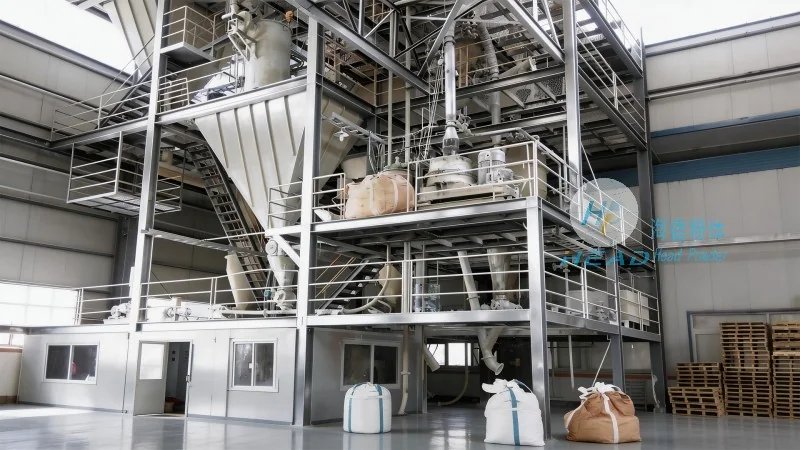
Working Scene Characteristics and Applications
The working scene characteristics of stainless steel bulk bag pneumatic conveying systems are tailored to meet diverse industrial needs. These systems are commonly employed in environments where material handling must be efficient, clean, and safe. For instance, in food and beverage processing plants, they facilitate the transfer of powders and granules without cross-contamination. In chemical and pharmaceutical facilities, they ensure that sensitive materials are handled under controlled conditions, minimizing the risk of degradation or contamination. Additionally, these systems are suitable for applications in the agricultural sector, where bulk bag handling of grains or feed additives is required. The flexibility of the system allows it to adapt to different material types, particle sizes, and flow rates, making it a versatile solution for various industrial processes.
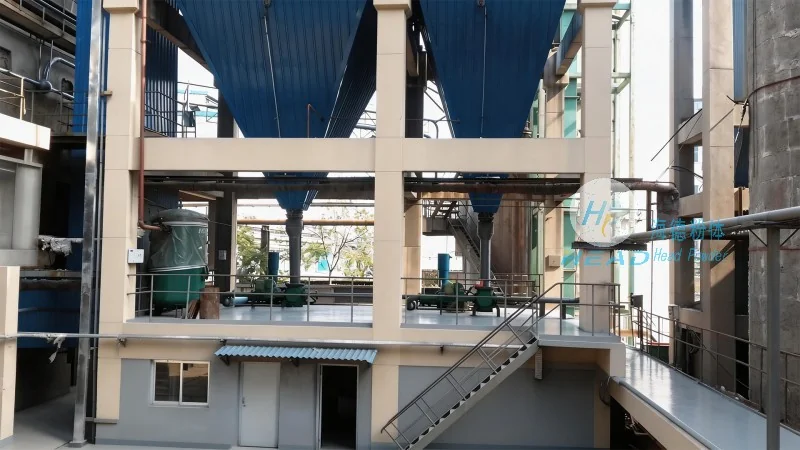
Operational Efficiency and Maintenance Considerations
Stainless steel bulk bag pneumatic conveying systems are designed for high operational efficiency. The use of compressed air as the conveying medium allows for rapid material transfer, reducing downtime and increasing productivity. The system's design minimizes the need for frequent maintenance, as the stainless steel components are resistant to wear and corrosion. However, regular inspections of the air filter, rotary airlock valve, and dust collector are essential to ensure optimal performance. Proper maintenance, including cleaning and replacement of filters, helps maintain the system's efficiency and prolong its service life.
Conclusion
Stainless steel bulk bag pneumatic conveying systems from HeadPowder Engineering Co., Ltd. offer a reliable and efficient solution for bulk material handling. By leveraging advanced engineering and high-quality stainless steel construction, these systems address the needs of various industries, providing a hygienic, durable, and versatile material transfer solution. With their ability to handle diverse materials and operating conditions, they contribute to improved operational efficiency and compliance with industry standards.