

Principles and Application Scenarios of Grass Material Pneumatic Conveying System Equipment
HeadPowder, a leading manufacturer based in Shandong, China, specializes in the design and production of advanced grass material pneumatic conveying systems. These systems are engineered to efficiently transport bulk grass materials, such as hay, straw, and other forage, from storage areas to processing facilities or storage silos. The company's expertise lies in creating customized solutions that meet the specific needs of agricultural and industrial applications.
Principles of Pneumatic Conveying Systems for Grass Materials
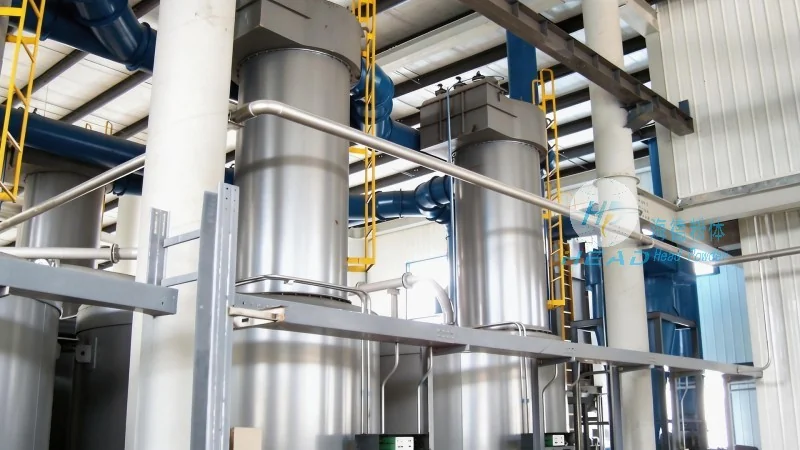
The core principle of a pneumatic conveying system is the use of air to move solid materials through a network of pipes. In the case of grass material handling, the system typically operates under negative pressure (suction) or positive pressure (blowing). The suction method is commonly used for short-distance transport, where the material is drawn from a hopper or storage bin into the conveying line by a vacuum created by a rotary lobe or centrifugal fan. The positive pressure method, on the other hand, uses a blower to push the material through the system, which is often preferred for longer distances or when dealing with abrasive materials.
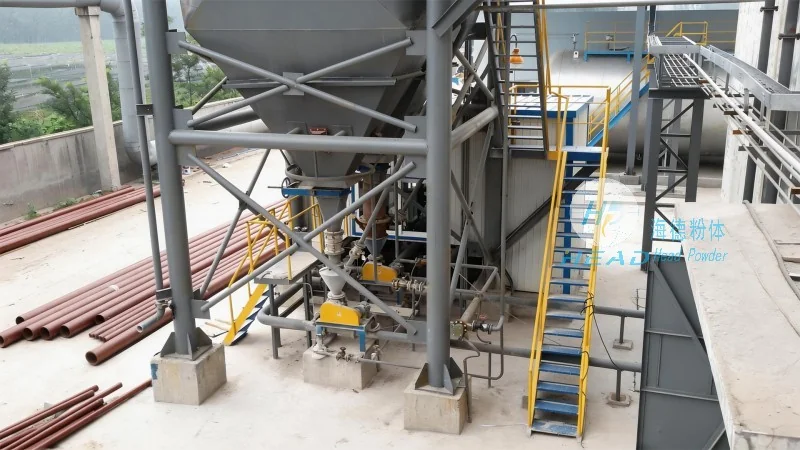
Key components of a typical grass material pneumatic conveying system include a material hopper or feeder, a conveying line (usually made of stainless steel or PVC to resist corrosion from moisture and organic matter), a fan or blower unit, a separation and filtration system, and a discharge outlet. The hopper ensures a consistent feed of material, while the fan provides the necessary air pressure to move the material. The separation system is crucial for removing dust and fine particles from the air stream, protecting both the equipment and the environment. The discharge outlet delivers the material to its final destination, such as a mixer, silo, or processing machine.
Application Scenarios and Operational Advantages
Grass material pneumatic conveying systems are widely used in various agricultural and industrial settings. In farm operations, these systems are essential for efficiently moving hay and straw from fields or barns to storage silos or feeding areas. This reduces labor costs and minimizes material loss due to spillage or contamination. For feed processing facilities, the systems ensure that forage is delivered to mixers or extruders in a clean and consistent manner, improving the quality of animal feed.
In the context of biomass energy production, pneumatic conveying systems are used to transport grass or other organic materials to biomass boilers or pelletizing machines. This enables the efficient conversion of renewable energy sources into heat or electricity. The systems are also employed in biofuel processing plants, where they help in the transportation of raw materials to processing units, enhancing overall plant productivity.
Customization and System Efficiency
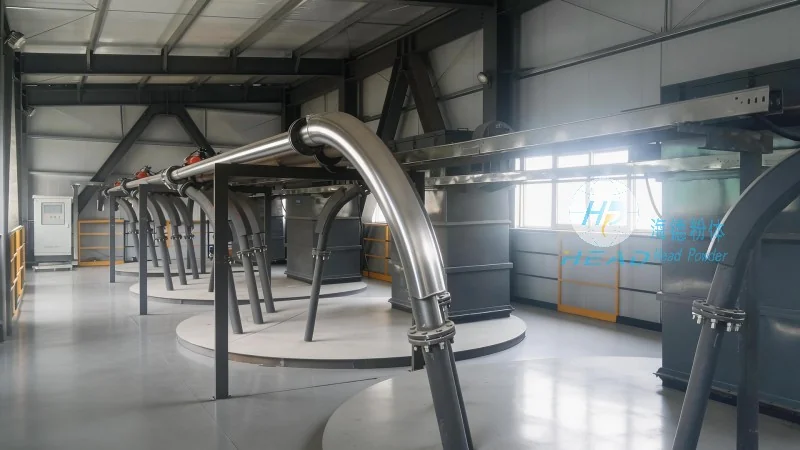
HeadPowder understands that each grass material handling application has unique requirements. Therefore, the company offers customized pneumatic conveying systems tailored to specific material types, transport distances, and operational conditions. By optimizing the system design, including the size of the fan, the diameter of the conveying line, and the layout of the piping, the company ensures maximum efficiency and minimal energy consumption. The use of high-quality materials, such as stainless steel for the conveying line and advanced filtration systems, also contributes to the longevity and reliability of the equipment.
Conclusion
Grass material pneumatic conveying systems, as provided by Shandong HeadPowder Engineering Co., Ltd., represent a reliable and efficient solution for the transportation of bulk grass materials. By leveraging the principles of pneumatic transport and incorporating advanced engineering, these systems enhance productivity, reduce labor costs, and ensure the quality of the final product. Whether used in agricultural settings or industrial processing facilities, the systems offer a sustainable and effective method for handling grass materials, supporting the needs of modern farming and industry.