

Principles and Working Scene Characteristics of Biomass Pneumatic Conveying System Equipment
HeadPowder, a leading manufacturer in the field of pneumatic conveying technology, specializes in providing advanced equipment for the efficient handling of biomass materials. With a focus on innovation and reliability, the company's products are designed to meet the diverse needs of industrial applications, particularly in the biomass processing sector. This article explores the fundamental principles behind biomass pneumatic conveying systems and highlights the key characteristics of their operational environments.
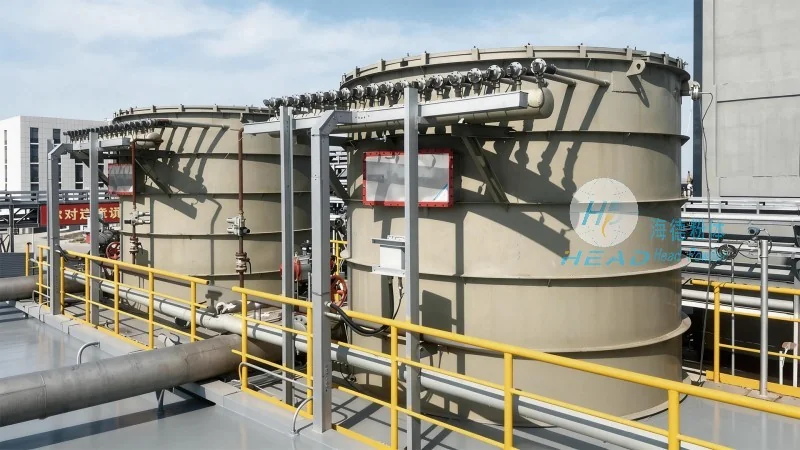
Understanding the Core Principles of Biomass Pneumatic Conveying
Biomass pneumatic conveying systems operate on the principle of transporting bulk materials through a pipeline using a pressurized or vacuum air stream. The process involves several critical components, including a feeding device, a conveying line, a separation unit, and a discharge mechanism. The feeding device, such as a rotary valve or a star feeder, introduces the biomass material into the system. This material is then carried by the air flow, which can be either positive pressure (where air is forced through the system) or negative pressure (where air is drawn out). The conveying line, typically made of stainless steel or other corrosion-resistant materials, ensures the material is transported safely and efficiently. A separation unit, often a cyclone or a filter, is used to separate the conveyed material from the air stream, allowing for the collection of the biomass at the destination point. The discharge mechanism, such as a rotary valve or a gate valve, controls the release of the material from the system.
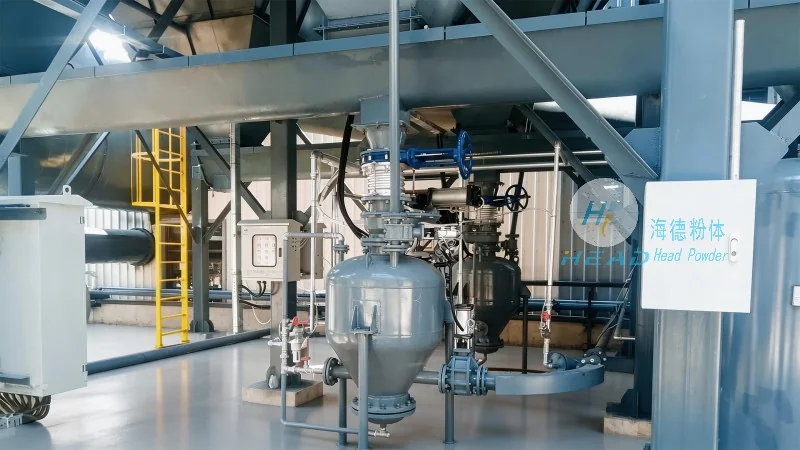
Key Working Scene Characteristics of Biomass Pneumatic Conveying Systems
The operational environment of biomass pneumatic conveying systems is characterized by several distinct features that influence their performance and effectiveness. First, the systems are designed to handle a wide range of biomass materials, including wood chips, sawdust, straw, and other agricultural residues. These materials vary in size, density, and moisture content, which can affect the conveying efficiency. The equipment must be capable of adapting to these variations to maintain consistent performance. Second, the systems operate in industrial settings where space constraints and material handling requirements are critical. The compact design of the equipment allows for integration into existing production lines without significant modifications. Third, the systems are often used in environments where dust control is essential. The use of sealed conveying lines and proper filtration helps to minimize dust emissions, ensuring compliance with environmental regulations and maintaining a safe working environment. Fourth, the systems are designed for high efficiency and low maintenance. The use of durable materials and robust components reduces downtime and operational costs, making them a cost-effective solution for biomass processing applications.
Application Scenarios and Practical Considerations
Biomass pneumatic conveying systems are widely used in various industrial applications, particularly in the production of biofuels, pellets, and other biomass-based products. In the biofuel industry, these systems are used to transport raw biomass from storage facilities to processing units, ensuring a continuous supply of material for conversion into energy. In the pellet production sector, the equipment is used to convey biomass from grinding and drying processes to the pelletizing machine, maintaining a steady flow of material. The systems are also used in agricultural and forestry operations, where they help to transport biomass from fields or forests to processing plants. Practical considerations for implementing these systems include the selection of the appropriate conveying line diameter and air velocity, which are critical for ensuring efficient material transport. The choice of positive or negative pressure depends on the specific application and the distance over which the material needs to be conveyed. Additionally, the system's design must consider the potential for material buildup and blockages, which can be mitigated through the use of appropriate cleaning mechanisms and regular maintenance.

Conclusion and Company Overview
HeadPowder Engineering Co., Ltd., based in Shandong, China, is a trusted provider of biomass pneumatic conveying systems. The company's commitment to quality and innovation has made its products a preferred choice for industries seeking reliable and efficient material handling solutions. By understanding the principles and characteristics of these systems, users can make informed decisions about their application in biomass processing operations. The company's expertise in designing and manufacturing customized solutions ensures that clients receive equipment tailored to their specific needs, enhancing operational efficiency and reducing costs. With a focus on sustainability and environmental responsibility, HeadPowder continues to advance the technology of biomass handling, contributing to the growth of the renewable energy sector.